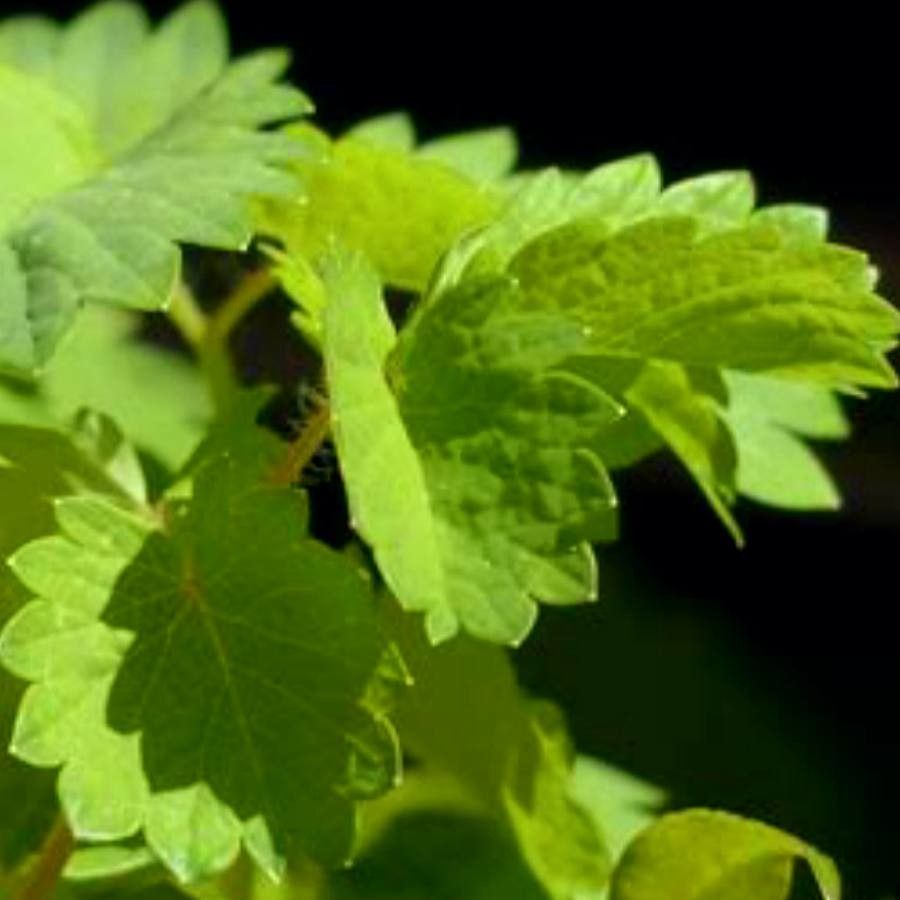
Oh, hello there, fellow plant enthusiast! Let’s talk about a little gem that’s often overlooked but offers so much charm to our gardens: Ribes cynosbati, or prickly gooseberry. If you’re looking for a native shrub that’s low-maintenance, produces lovely early spring flowers, and even gives us tart, edible berries (hello, pie!), this is one worth getting to know better. And the best part? Propagating it is a wonderfully rewarding way to expand your collection or share the love with friends. For beginners, I’d say it’s moderately easy to get started, especially if you have a bit of patience.
The Best Time to Start
When it comes to Ribes cynosbati, I find the sweet spot for propagating is typically in late spring to early summer. This is when the plant is actively growing, and you can take cuttings from its new, semi-hardwood growth. This tender but not too soft wood has the best chance of rooting.
Supplies You’ll Need
Here’s what I usually have on hand when I’m ready to get my hands dirty with some Ribes propagation:
- Sharp Pruning Shears or a Knife: Clean cuts are crucial for successful rooting.
- Rooting Hormone: While not always strictly necessary for Ribes, it definitely gives you a leg up. I prefer a powder or gel.
- Small Pots or Seedling Trays: Whatever you have that can hold a few inches of soil. Make sure they have drainage holes!
- Well-Draining Potting Mix: A good blend for me is equal parts peat moss (or coco coir), perlite, and a bit of compost.
- Plastic Bags or a Propagator Lid: To create a humid environment.
- Watering Can or Spray Bottle: Gentle watering is key.
Propagation Methods
While you can try water propagation, stem cuttings are my go-to for Ribes cynosbati. They offer a higher success rate and give you more control.
- Take Your Cuttings: In late spring or early summer, select a healthy stem with new growth. You want to find a section that’s a bit firm but still flexible – this is often called semi-hardwood. Aim for cuttings about 4-6 inches long. Make your cut just below a leaf node (where a leaf attaches to the stem).
- Prepare the Cuttings: Gently remove the lower leaves from your cuttings, leaving just a few at the top. This prevents them from rotting in the soil. If you’re using rooting hormone, dip the cut end into it, tapping off any excess.
- Plant Your Cuttings: Fill your pots with your well-draining potting mix. Make a small hole with a pencil or your finger in the center. Insert the cut end of the Ribes cutting into the hole. Gently firm the soil around it so it stands upright.
- Create a Humid Environment: Water the soil gently until it’s moist but not soggy. Then, cover the pot with a clear plastic bag or place it inside a propagator with a lid. This traps humidity, which is vital for cuttings while they’re trying to develop roots.
The “Secret Sauce” (Pro Tips)
Here are a couple of things I’ve learned over the years that really make a difference:
- My top tip is to avoid direct sunlight once you’ve potted your cuttings. They need bright, indirect light, but direct sun can quickly scorch those tender leaves and dry out your precious cuttings. A shadier part of the garden or a bright windowsill away from direct sun is perfect.
- And this might sound a little odd, but don’t be afraid to gently jostle the pots once a week or so. It’s a subtle way to encourage root development. The slight movement helps the plant “understand” it needs to anchor itself.
Aftercare & Troubleshooting
Keep an eye on your cuttings. The plastic bag or propagator lid should remain on to maintain humidity. Water them sparingly, just enough to keep the soil slightly moist. You’ll know your cuttings are taking root when you see new leaf growth emerging from the top. This is usually a good sign after a few weeks to a couple of months.
The most common problem you might encounter is rot. If you see your cuttings becoming mushy or dark and wilting without any sign of rooting, it’s usually a sign of too much moisture or poor air circulation. Make sure your soil isn’t waterlogged and that you have good drainage. If rot sets in, unfortunately, it’s often best to discard the affected cutting and try again.
A Encouraging Closing
Propagating plants is a journey, and with Ribes cynosbati, it’s one filled with plenty of promise. Be patient, enjoy the process of nurturing these little cuttings, and before you know it, you’ll have a whole new shrub ready to grace your garden or find a new home with a fellow gardener. Happy planting!
Resource:
https://identify.plantnet.org/k-world-flora/species/Ribes%20cynosbati%20L./data