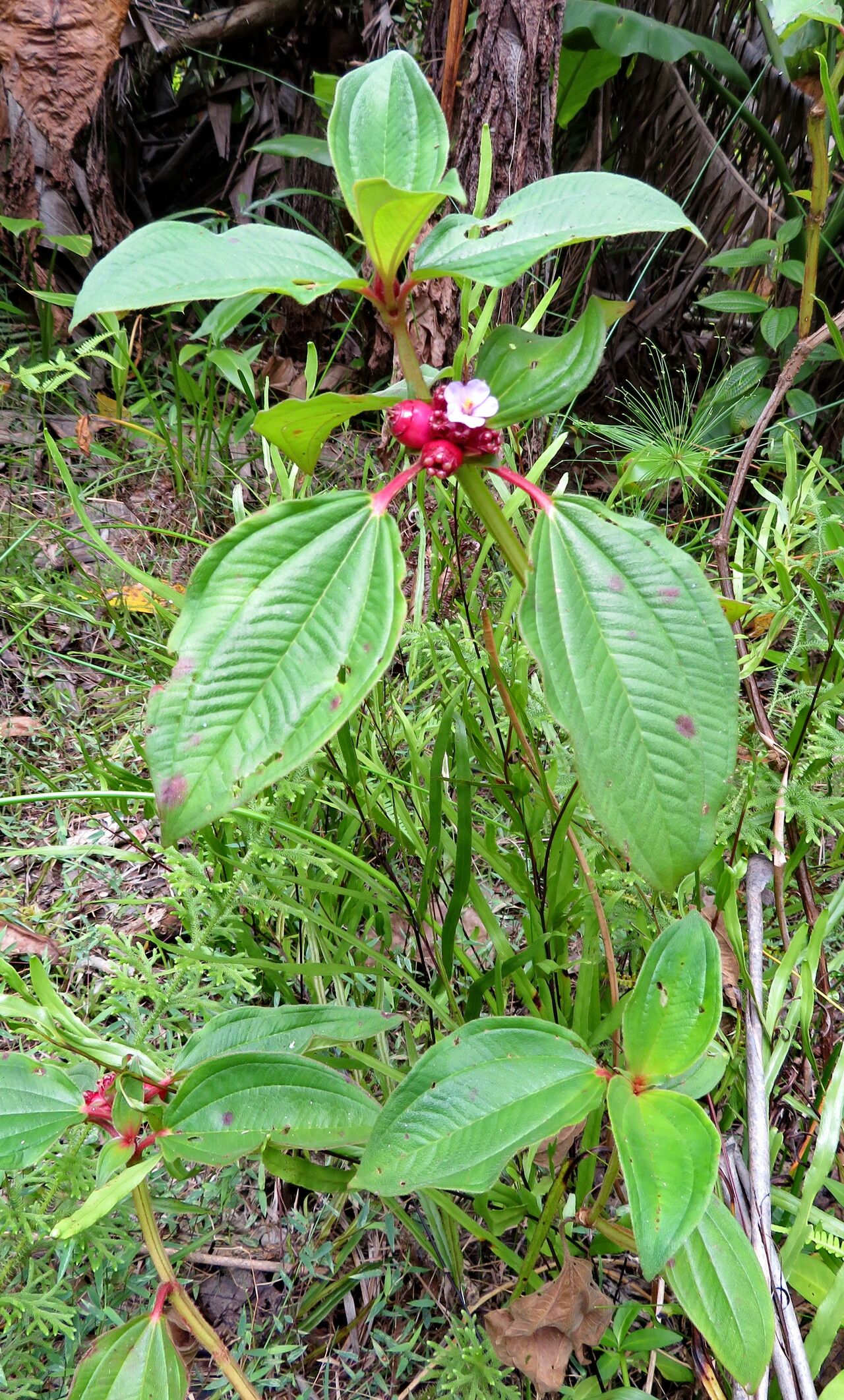
Oh, Tristemma mauritianum! You know, I first fell in love with this plant years ago. It’s got this wonderful, almost wildflower charm, with its delicate blooms and lovely foliage. And the best part? It’s surprisingly rewarding to multiply. If you’ve been eyeing a friend’s lush specimen and dreaming of one (or five!) for yourself, you’re in luck. Propagating Tristemma mauritianum isn’t a horticultural Everest; it’s quite achievable, even if you’re just starting to build your plant collection.
The Best Time to Start
For the highest success rate with Tristemma, I always recommend working with it during its active growing season. That’s usually from late spring through early to mid-summer. When the plant is actively putting on new growth, its energy is high, making it more receptive to rooting and developing into a new, independent plant. Trying to propagate in its dormancy will likely lead to disappointment.
Supplies You’ll Need
Gathering your supplies beforehand makes the whole process a breeze. Here’s what I typically have on hand:
- Sharp Pruning Shears or a Clean Knife: For making clean cuts to avoid crushing the stem.
- Rooting Hormone (Powder or Gel): While not always strictly necessary for Tristemma, it can give cuttings a significant boost.
- Well-Draining Potting Mix: A good quality seed starting mix or a blend of potting soil, perlite, and a bit of horticultural charcoal works wonders. You want something that dries out reasonably quickly.
- Small Pots or Propagation Trays: Clean containers with drainage holes are essential.
- Clear Plastic Bags or a Propagator Lid: To create a humid environment for your cuttings.
- Labeling Stakes and a Pen: Trust me, you’ll forget which cutting is which!
- Spray Bottle: For gentle misting.
Propagation Methods
Tristemma mauritianum is quite amenable to stem cuttings – it’s my go-to method.
- Select Your Cuttings: Look for healthy, non-flowering stem tips that are about 4-6 inches long. You want stems that are firm but not woody. Gently bend a tip; if it snaps cleanly, it’s likely a good candidate.
- Make the Cut: Using your clean shears or knife, make a clean cut just below a leaf node. This is where new roots are most likely to emerge.
- Prepare the Cuttings: Remove the lower leaves from the cutting, leaving only the top few sets. This prevents them from rotting when buried.
- Apply Rooting Hormone (Optional but Recommended): Dip the cut end into your rooting hormone, tapping off any excess.
- Plant Your Cuttings: Moisten your potting mix slightly. Make small holes in the mix with a pencil or your finger, and gently insert the cuttings. You can usually fit several into one pot, just ensure they aren’t touching each other too much.
- Create a Humid Environment: Water the soil gently. Then, cover the pot with a clear plastic bag (loosely, so it doesn’t collapse on the leaves) or place it inside a propagator with a lid. This traps humidity, which is crucial for cuttings that can’t yet absorb water through roots.
- Provide Light and Warmth: Place the pots in a location with bright, indirect light – never direct sun, which can scorch the delicate cuttings. A warm spot is also beneficial.
The “Secret Sauce” (Pro Tips)
Ah, the little tricks that make all the difference!
- Bottom Heat is Your Friend: If you have the option, placing your propagation pots on a gentle heat mat can significantly speed up root development. It mimics the warmth of summer soil beautifully.
- Don’t Let Leaves Touch the Water: If you’re trying water propagation (which can work for Tristemma, though I find it slightly less consistent than soil), make sure absolutely no leaves are submerged in the water. Any leaf tissue below the waterline is an invitation for rot.
- Freshness Matters: Use cuttings from the youngest, most vigorous growth. Older, tougher stems are less likely to root successfully.
Aftercare & Troubleshooting
Once your cuttings have been nestled into their new home, keep the soil consistently moist, but not soggy. Mist them every few days, especially if you’re not using a propagator lid.
You’ll know roots are forming when you see new leaf growth appearing. This can take anywhere from 3-6 weeks, sometimes longer. You can also give a very gentle tug on a cutting; if there’s resistance, you’ve likely got roots!
The most common sign of failure is rot. If your cuttings turn black and mushy, it’s usually a sign of too much moisture or poor air circulation. Drooping leaves can also indicate lack of rooting, but don’t give up too quickly – it might just be settling in. If a cutting looks truly dead, it’s best to discard it to prevent any potential issues from spreading.
Once you see good root development, you can start to gradually acclimate your new plants to normal room humidity by opening the plastic bag a little more each day. Eventually, you can transplant them into their own small pots.
A Little Patience Goes a Long Way
So there you have it – propagating Tristemma mauritianum made simple. Remember, gardening is a journey, and propagation is an especially rewarding part of it. Be patient, enjoy the little triumphs, and soon you’ll have plenty of these lovely plants to admire and share. Happy growing!
Resource:
https://identify.plantnet.org/k-world-flora/species/Tristemma%20mauritianum%20J.F.Gmel./data