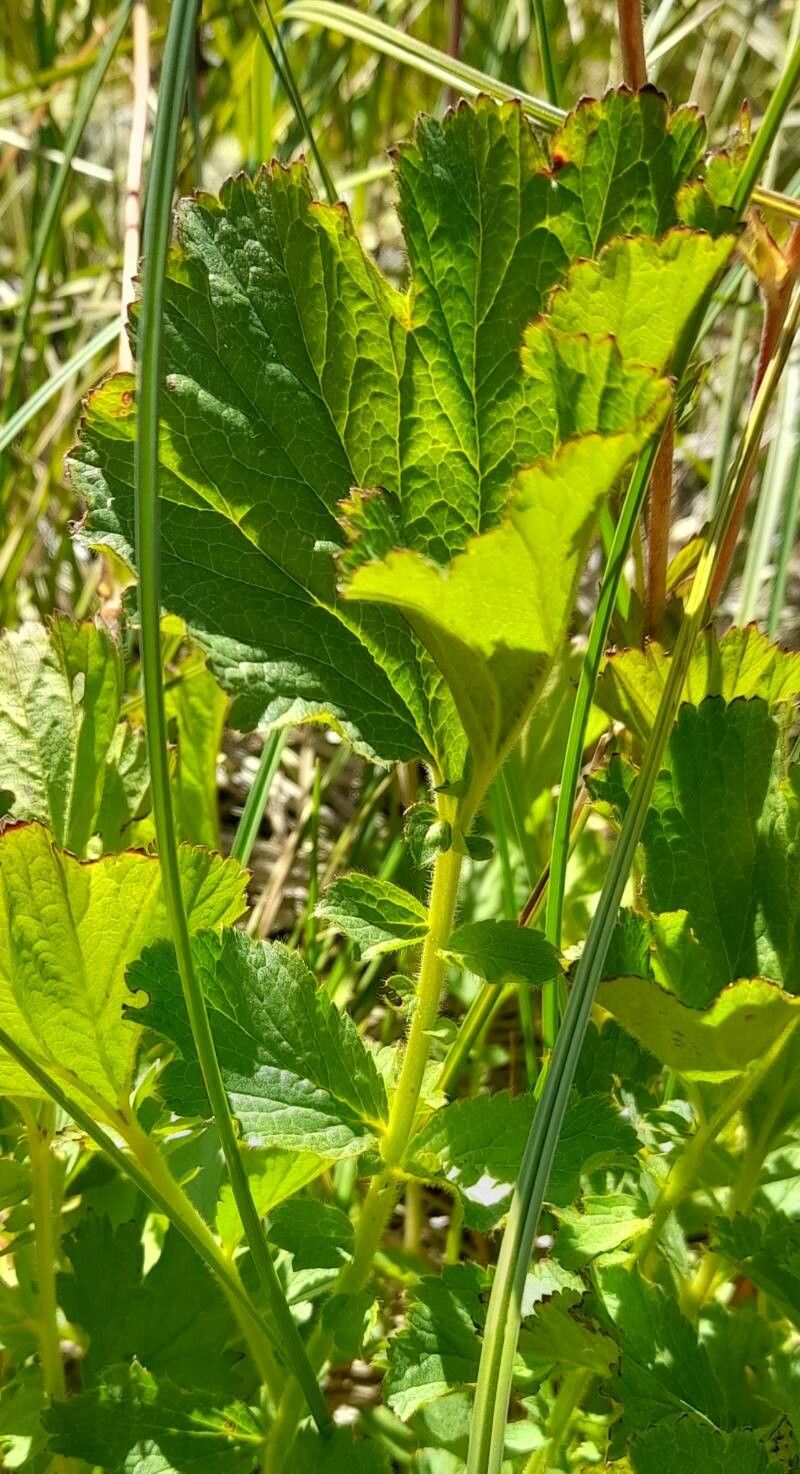
Hello fellow garden lovers! It’s so good to be chatting with you today. If you’ve ever admired the delicate, often ruffled blooms of Geum magellanicum, you know it’s a plant that brings a touch of understated elegance to any garden. These charming perennials, often called Avens, offer a lovely splash of color and a delightful texture. And you know what’s even better than admiring them? Growing them yourself! Propagating Geum magellanicum is a truly rewarding experience, and I’m excited to share how you can do it. Don’t worry, this isn’t a plant that demands an advanced degree to propagate; it’s quite achievable for most gardeners.
The Best Time to Start
For the highest success rate with propagating Geum magellanicum, I find that late spring or early summer is your golden ticket. This is when the plant is actively growing after its spring flush, and the stems are typically firm but not woody. You want to work with healthy, vigorous material. Trying to propagate too early in the season or when the plant is stressed by heat or drought can make things trickier.
Supplies You’ll Need
Gathering your supplies before you begin makes the whole process flow much smoother. Here’s what I usually have on hand:
- Sharp pruning shears or a clean, sharp knife: For taking your cuttings. Sterilize them with rubbing alcohol beforehand.
- A well-draining potting mix: I like a blend of equal parts peat moss and perlite, or a good quality seed-starting mix.
- Small pots or trays: Clean ones, of course! These can be anything from small nursery pots to repurposed yogurt containers with drainage holes.
- Rooting hormone (optional but recommended): This can give your cuttings a helpful boost.
- A spray bottle: For misting.
- Plastic bags or a propagator: To create a humid environment.
- A label and pen: To mark your new plants!
Propagation Methods
Geum magellanicum is a great candidate for propagation by division and also fairs well with stem cuttings. Let’s dive into how I do both.
Division
This is probably the most straightforward method, especially for gardeners who might be a bit hesitant about cuttings. Geum magellanicum tends to form clumps over time, and dividing these clumps is like giving your plant a fresh start.
- Dig up the clump: In late spring or early summer, gently dig up the entire plant. The soil is usually softer then, which makes it easier on the roots.
- Loosen the soil: Gently shake off excess soil to expose the root ball and the crowns (where the stems emerge from the roots).
- Separate the divisions: You can often pull the clump apart with your hands. If it’s stubborn, use a clean trowel or knife to slice through the root ball, ensuring each section has both a healthy root system and at least one or two sturdy stems or growing points.
- Replant immediately: Plant your divisions into their new homes – either back in the garden or into pots with fresh potting mix. Water them in well.
Stem Cuttings
This method is fantastic for multiplying your Geum population. It’s best to take cuttings from the new, non-flowering shoots.
- Take your cuttings: Look for healthy, young shoots that are about 3-4 inches long. Make a clean cut just below a leaf node (the point where a leaf attaches to the stem). This is where roots are most likely to form.
- Prepare the cuttings: Gently remove the lower leaves from the cutting, leaving just a few leaves at the top. If you’re using rooting hormone, dip the cut end into it now.
- Plant the cuttings: Fill your small pots with the well-draining potting mix. Make a small hole with your finger or a pencil and insert the cutting, ensuring one of the leaf nodes is buried below the soil surface. Gently firm the soil around the stem.
- Create humidity: Water the soil lightly with your spray bottle. Then, cover the pot with a clear plastic bag, or place the pots inside a propagator. This will trap moisture and create the humid environment cuttings need to root. You can use sticks or skewers to keep the plastic from touching the leaves directly.
- Provide light and warmth: Place the pots in a bright spot, but out of direct, harsh sunlight. A greenhouse or a bright windowsill is ideal. If you have a heat mat, placing the pots on it can significantly speed up root development.
The “Secret Sauce”
Now, for a couple of little tricks that have helped me over the years:
- Don’t overcrowd: When planting multiple cuttings in one pot, give them a little breathing room. Overcrowding can lead to humidity build-up and fungal issues, which is the last thing you want.
- Watch for wilting, not just dryness: While you want to keep the soil consistently moist, don’t let it become waterlogged. If you see your cuttings starting to look a bit sad and droopy, check if the soil has dried out completely. Sometimes, a light misting can perk them right back up, but it’s also a sign they might not have rooted yet.
Aftercare & Troubleshooting
Once your cuttings have been planted, the patience game begins. Keep the soil consistently moist but not soggy. Misting the leaves regularly will help keep them turgid until roots develop. In a few weeks, you should start to see signs of new growth. You can gently tug on a cutting – if there’s resistance, you’ve got roots!
The most common issue you might encounter is rot. This usually happens if the environment is too wet and lacks adequate air circulation. If you spot any cuttings turning mushy or black, remove them immediately to prevent it from spreading to others. Good drainage is your best friend here.
A Encouraging Closing
Propagating plants is an exercise in both nurture and patience. Don’t be discouraged if not every cutting takes. Each attempt is a learning experience, and the joy of seeing those tiny roots form and a new plant emerge is absolutely worth the effort. So grab your tools, embrace the process, and soon you’ll have a garden bursting with beautiful Geum magellanicum! Happy gardening!
Resource:
https://identify.plantnet.org/k-world-flora/species/Geum%20magellanicum%20Comm.%20ex%20Pers./data