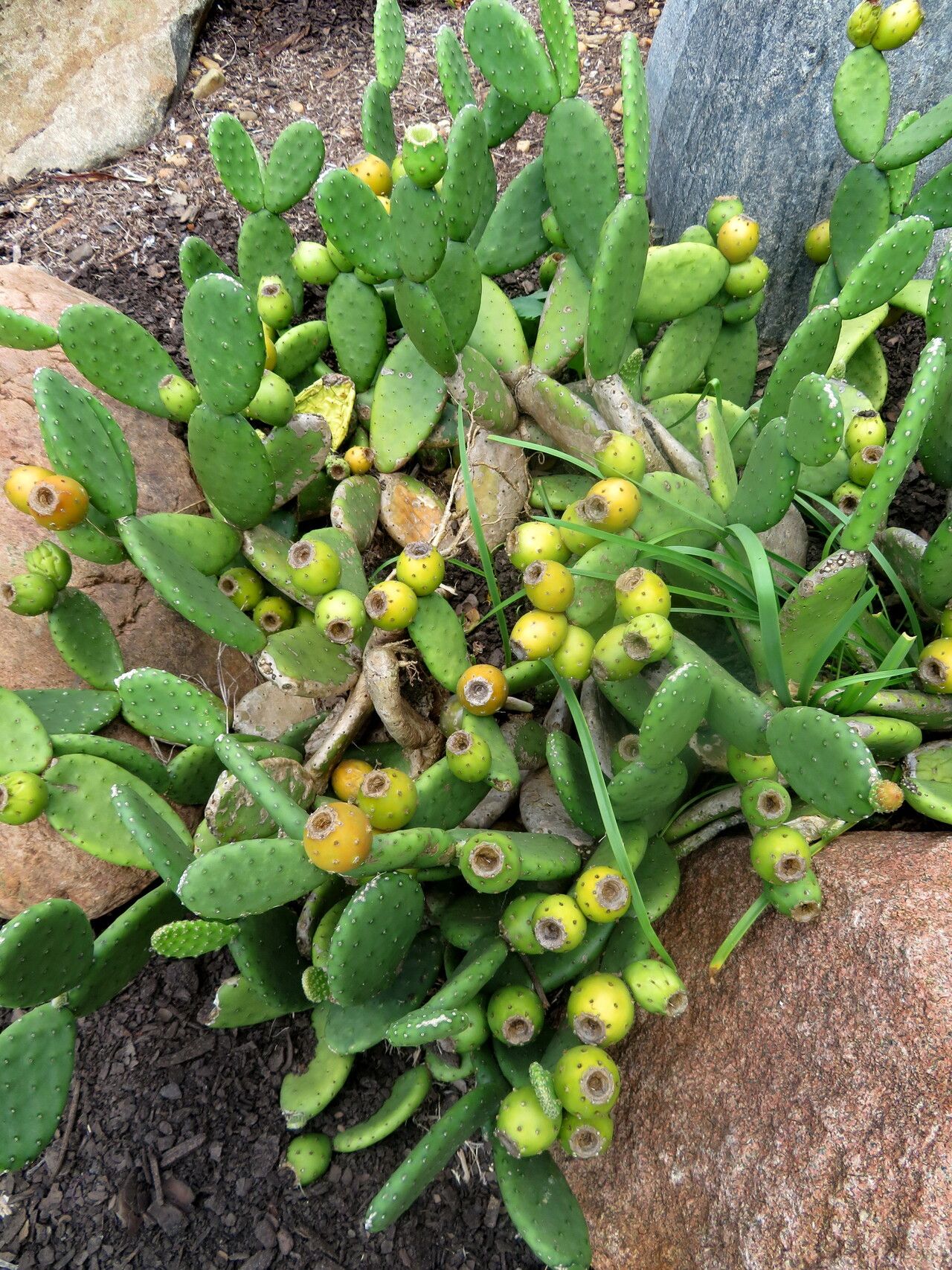
Oh, Tacinga inamoena! If you’ve ever seen this cactus gracing a garden, you know what I’m talking about. Its segmented stems, often a beautiful olive green with hints of red, and the most delightful, delicate flowers – it’s a real charmer. And the best part? Sharing that charm by propagating it yourself is incredibly satisfying. Honestly, for a cactus, Tacinga inamoena is surprisingly approachable for beginners. Don’t let the spiky exterior fool you; it’s quite forgiving!
The Best Time to Start
For the highest success rate, I find the late spring to early summer is your golden window. This is when your Tacinga inamoena is actively growing and bursting with energy. They’ve had a good rest over winter and are just itching to put on a show. Starting during this period means your cuttings will have plenty of warmth and light to establish themselves before things cool down.
Supplies You’ll Need
Let’s get our little propagation station ready! Here’s what you’ll want to have on hand:
- Sharp, clean pruning shears or a sharp knife: Essential for making clean cuts that heal well. Sterilize them with rubbing alcohol beforehand.
- Rooting hormone (optional, but helpful): While Tacinga can root without it, a rooting hormone powder or gel can give young cuttings a helpful boost.
- Well-draining potting mix: This is crucial! A cactus and succulent mix is perfect. You can also make your own by combining potting soil with perlite or coarse sand. I like a 50/50 blend.
- Small pots or trays: Terracotta pots are my go-to; they breathe well. Make sure they have drainage holes.
- Gloves (optional): While Tacinga inamoena isn’t as heavily armed as some cacti, it’s always smart to protect your hands.
- Newspaper or a tray: For catching any stray soil.
- A watering can with a fine rose: For gentle watering.
Propagation Methods
There are a couple of lovely ways to get more of these beauties. I usually lean towards stem cuttings because they are so straightforward.
Stem Cuttings:
- Select a healthy stem: Look for a mature, but not woody, segment from your Tacinga inamoena. A segment about 4-6 inches long is a good size.
- Make the cut: Using your sterilized pruning shears or knife, make a clean cut where the segment joins the main stem or another segment. Try to get a clean cut, this helps prevent rot.
- Allow to callous: This is a vital step! Lay your cutting on a dry surface, out of direct sunlight, for 3-7 days. You’ll notice that the cut end will dry and form a hard callus. This protects the cutting from rot when you plant it. I usually pop mine on a tray on a shelf in my greenhouse.
- Plant the cutting: Once the end has calloused, dip the cut end into rooting hormone (if you’re using it). Then, gently push the calloused end about an inch or two into your well-draining potting mix. Make sure the soil is only slightly damp, not wet.
- Wait for roots: Place your pot in a bright spot with indirect sunlight. Resist the urge to water immediately. Wait a week or so, then water very sparingly. You’ll know it’s rooted when you feel a slight resistance when you gently tug on the cutting. This can take anywhere from 4 weeks to a couple of months.
The “Secret Sauce” (Pro Tips)
After years of getting my hands dirty, I’ve learned a few tricks that really make a difference.
- Don’t be too eager with the water: This is where many beginners stumble. Cacti are desert dwellers, and they hate sitting in soggy soil. When you first plant your cuttings, I wait at least a week before giving them their first gentle watering. For the first month or two, water only when the soil is completely dry to the touch, and even then, water sparingly.
- Bottom heat is your friend: If you have a bit of space, placing your pots on a seedling heat mat can accelerate root development. The gentle warmth from below encourages those roots to start exploring. It’s like giving them a cozy little foot spa!
Aftercare & Troubleshooting
Once your Tacinga inamoena cutting has happily rooted, it’s time to transition it to a slightly more regular watering schedule. Continue to treat it like an adult cactus: water thoroughly when the soil is dry, and ensure excellent drainage. They love bright, indirect light.
Now, what if things don’t go as planned? The most common issue is rot. If you see your cutting turning mushy and a dark color, it’s likely rot. This is usually due to too much moisture or not letting the cutting callous properly. If rot sets in, unfortunately, it’s often best to discard the affected cutting to prevent it from spreading to other healthy plants or cuttings. Don’t get discouraged if a few don’t make it. It happens to the best of us!
A Encouraging Closing
Propagating plants, especially beautiful ones like Tacinga inamoena, is such a rewarding journey. It’s a chance to connect with nature and multiply the joy these plants bring. Be patient with your cuttings, trust the process, and enjoy watching new life emerge. Happy propagating!
Resource: