Hello fellow garden enthusiasts!
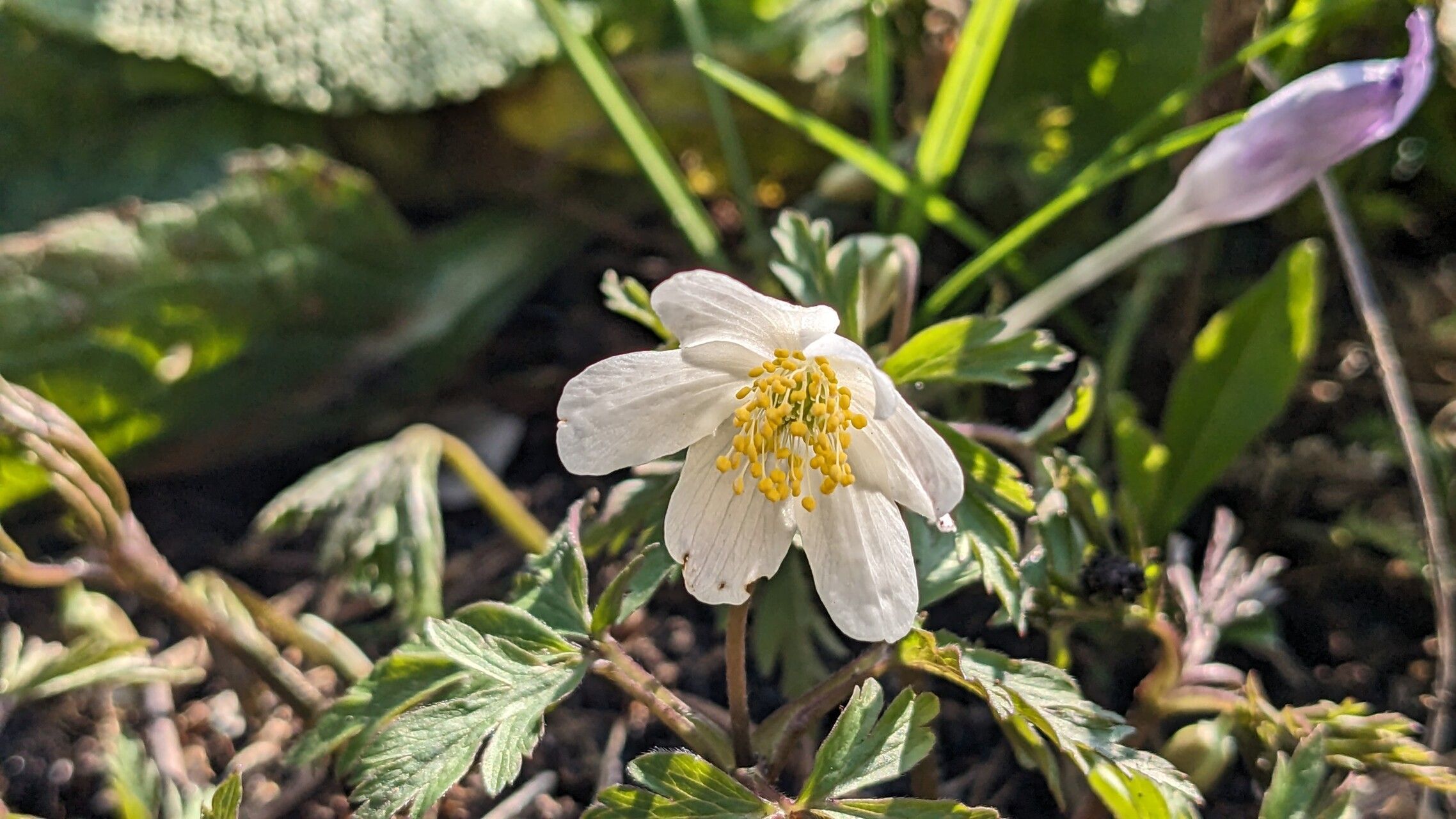
Today, we’re diving into the gentle world of creating more of one of my favorite woodland wonders: the lovely Anemonoides nemorosa, or Wood Anemone. If you’ve ever admired its delicate, star-like white flowers carpeting a shady corner, you know the magic it brings to the spring garden. Reproducing these beauties is a deeply rewarding experience, and I’m thrilled to share with you just how we can get more of them gracing our spaces. For beginners, it’s a lovely plant to start with, offering a good chance of success with a little care.
The Best Time to Start
The absolute best time to propagate Wood Anemones is right after they’ve finished flowering, usually in late spring or early summer. This is when the plant is actively growing and has stored up plenty of energy. Trying to do it when they are dormant or just waking up can be a bit trickier, and you might find less vigor in your new cuttings or divisions.
Supplies You’ll Need
To get our little anemones going, you’ll want a few things handy:
- Sharp pruning shears or a clean knife: For making precise cuts.
- Small pots or trays: With good drainage holes.
- A well-draining potting mix: I like a blend of peat moss (or coir), perlite, and compost. You want something airy that won’t hold too much moisture.
- Optional: Rooting hormone powder: While not strictly necessary for anemones, it can give divided pieces a little boost.
- A watering can with a fine rose: For gentle watering.
- Labels: To keep track of what’s what!
Propagation Methods
Wood Anemones are primarily propagated by division. They form rhizomes, which are creeping rootstock, and these are what we’ll be working with.
- Gently excavate your established clump. Dig carefully around the plant, trying to disturb the roots as little as possible. I like to use a garden fork to lift the entire root ball before gently teasing it apart.
- Identify the rhizomes. You’ll see these pale, sometimes segmented, underground stems. They will have small buds or developing shoots along them.
- Carefully divide the clump. Using your fingers or a clean knife, separate sections of the rhizome. Aim for pieces that are at least a few inches long and have at least one visible bud. Don’t be afraid to separate them; they are surprisingly resilient. If you’re using rooting hormone, lightly dust the cut ends.
- Plant your divisions. Fill your pots with your prepared potting mix. Make a small hole in the center and place your rhizome division in it, ensuring the bud is pointing upwards. Cover gently with about an inch of soil.
- Water thoroughly but gently. You want the soil to be moist but not waterlogged.
The “Secret Sauce” (Pro Tips)
Here are a couple of things I’ve learned over the years that make all the difference:
- Don’t overwork the root ball. When you’re dividing, if you see a particularly vigorous rhizome that’s easy to separate with a bud, take it. But avoid breaking up the entire mass into tiny, rootless fragments. Bigger is often better for divisions.
- Mimic the woodland floor. Wood Anemones love a cool, moist environment. Once potted, place your divisions in a shady spot outdoors, perhaps under a larger shrub, that will keep them cool and protected from direct sun. They appreciate a consistent level of moisture, like a damp forest floor.
Aftercare & Troubleshooting
Once your divisions are planted, keep the soil consistently moist. This is crucial for them to establish. You might not see much top growth immediately, and that’s perfectly okay! They are busy establishing their roots underground.
The most common sign of failure is rot. If your division turns mushy and black, it’s likely due to too much moisture and poor drainage. If this happens, try unpotting and cleaning off the rot, then replant in fresh, drier mix. Sometimes, a division just doesn’t have enough stored energy to make it. Don’t get discouraged; it happens in gardening!
A Encouraging Closing
Creating more Wood Anemones is a journey of patience and observation. Enjoy the process of gently coaxing new life from an established plant. You’re not just growing a flower; you’re nurturing a piece of the woodland in your own garden. So, get your hands dirty, be gentle, and celebrate each little success! Happy gardening!
Resource:
https://identify.plantnet.org/k-world-flora/species/Anemonoides%20nemorosa%20(L.)%20Holub/data