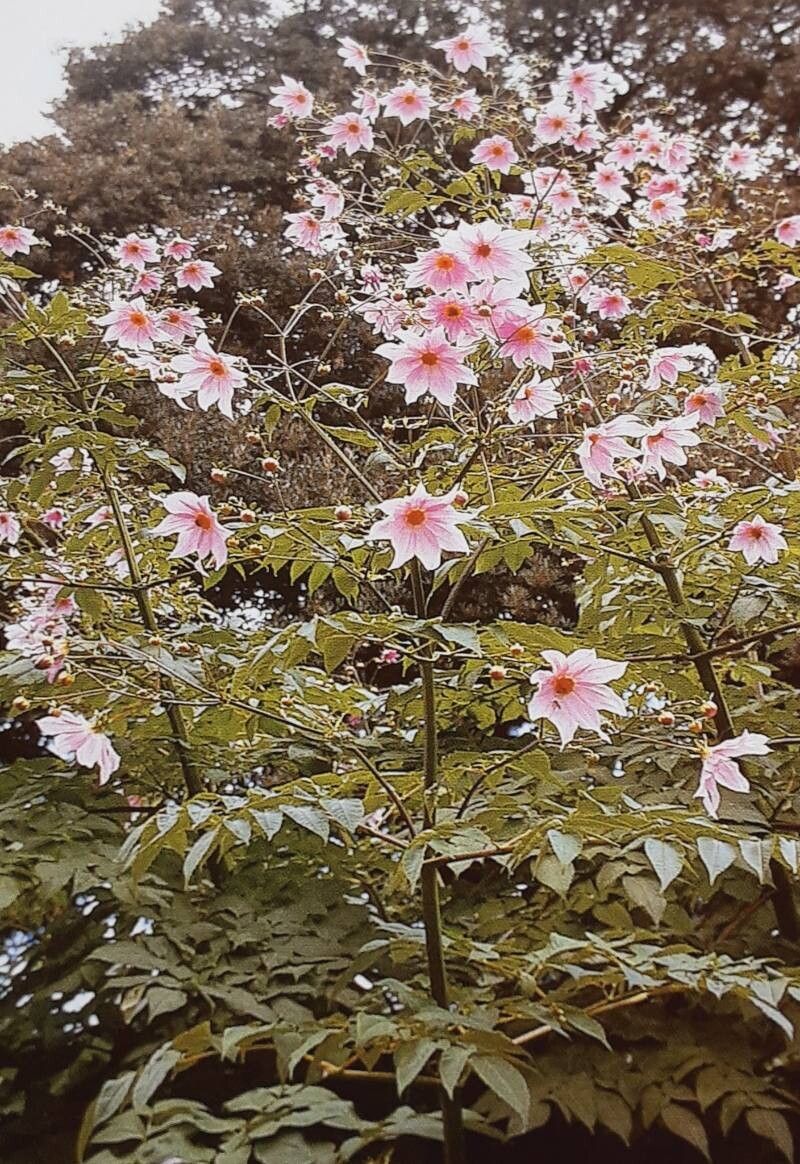
Hey there, fellow plant enthusiasts! Today, we’re diving into the wonderful world of a truly magnificent plant: Dahlia imperialis, often called the “Tree Dahlia.” If you’ve ever seen these towering beauties, with their dramatic stalks and delicate flowers, you know they’re the showstoppers of the late season garden. And the even better news? You can create your own majestic specimens!
The Appeal of Tree Dahlias
There’s something incredibly satisfying about propagating your own plants. It’s like gifting yourself more beauty, more color, and more chances to experiment. Tree dahlias, with their statuesque presence, are particularly rewarding because they command attention. While they might seem a bit “extraordinary,” don’t let that intimidate you. Propagating them is surprisingly achievable, even for those of you who are just starting to get your hands dirty.
The Best Time to Start
For the highest success rate with Dahlia imperialis, I always recommend starting in late spring or early summer. This is when the plant is actively growing and has plenty of energy to dedicate to developing new roots. You’re looking for new, vigorous shoots – essentially the “baby” stems emerging from the base or the established tuber.
Supplies You’ll Need
Before we get our hands dirty, let’s make sure we have everything ready. It’s like prepping for a delicious recipe; having your ingredients measured out makes the whole process smoother.
- Sharp Pruning Shears or a Knife: Cleanliness is key here to prevent disease spread.
- Rooting Hormone (Optional but Recommended): This is like a little boost of encouragement for your cuttings. Look for one specifically for stem cuttings.
- Potting Mix: I prefer a light, well-draining mix. A good blend of potting soil, perlite, and peat moss (or coco coir) works wonders.
- Pots or Trays: Small pots, 4-6 inches deep, are perfect for starting. Make sure they have drainage holes!
- Watering Can with a Fine Rose: Gentle watering is essential to avoid disturbing those precious new roots.
- Plastic Bag or Dome: To create a humid microclimate for your cuttings.
- Labels: Because trust me, you’ll forget which cutting is which!
Propagation Methods
Let’s get down to the nitty-gritty. Tree dahlias are wonderful because they offer a couple of straightforward ways to multiply.
Stem Cuttings: My Go-To Method
This is my favorite way to propagate Dahlia imperialis. It’s efficient and yields great results.
- Select Your Cuttings: In late spring or early summer, look for healthy stems that are about 6 to 10 inches long. They should be firm but not woody. You want those bright, energetic young shoots.
- Make the Cut: Using your clean, sharp shears, cut the stem just below a leaf node. This is the point where a leaf attaches to the stem.
- Prepare the Cutting: Gently remove the lower leaves, leaving just a couple at the top. If the leaves are large, you can even cut them in half to reduce water loss.
- Apply Rooting Hormone: Dip the cut end of the stem into your rooting hormone powder, tapping off any excess.
- Plant Your Cuttings: Fill your small pots with your prepared potting mix. Make a small hole in the center with your finger or a pencil. Insert the prepared cutting into the hole, ensuring the leaf node is buried. Gently firm the soil around the stem.
- Water Gently: Water thoroughly but carefully. You want the soil moist, not waterlogged.
- Create a Humid Environment: Place the potted cuttings into a clear plastic bag, creating a mini-greenhouse. Seal it loosely or use a propagation dome.
Division: A Simpler Approach for Established Plants
If you already have a mature Dahlia imperialis plant and it’s time to divide its tuberous root system, this method is excellent for those looking for a less hands-on approach.
- Dig Up the Tuber: In early spring, before new growth really takes off, carefully dig up your established Dahlia imperialis clump. You want to avoid damaging the fleshy tubers.
- Clean and Inspect: Gently brush away excess soil. Look for any signs of rot or disease.
- Divide the Clump: Using a clean knife or your hands, gently separate the clump into smaller sections. Each section should have at least one healthy “eye” or bud. This is where new growth will emerge.
- Replant Immediately: Find a sunny spot in your garden with well-draining soil, or pot them up into larger containers. Plant with the top of the tuber just below the soil surface.
The “Secret Sauce” (Pro Tips)
Here’s what I’ve learned over the years that makes a real difference:
- Don’t Let Leaves Touch the Water (for stem cuttings): If you decide to try water propagation (which I find trickier with Tree Dahlias than soil), ensure no leaves are submerged. They’ll just rot and invite disease. I always opt for soil.
- Use Bottom Heat: For stem cuttings, placing your pots on a heat mat can dramatically speed up root development. It’s like a little warming blanket for your cuttings, encouraging them to get going. You’ll often see a visible difference in just a few weeks.
- Patience with the “Eye”: When dividing tubers, don’t stress if you don’t see immediate top growth. The plant is busy establishing its root system first. Just give it time and consistent moisture.
Aftercare & Troubleshooting
Once your stem cuttings have developed roots (you can gently tug on them to feel resistance, or look for roots peeking out of the drainage holes), it’s time to transition them.
- Acclimatize: Gradually remove the plastic bag or dome over a few days to let the new plants get used to the drier air.
- Potting Up: Once they have a good root system, you can pot them into slightly larger containers with fresh potting mix.
- Watering: Continue to water them regularly, allowing the top inch of soil to dry out between waterings. They still appreciate consistent moisture but dislike soggy feet.
- Troubleshooting: The most common issue you’ll encounter is rot. This is usually a sign of overwatering or poor drainage. If you see mushy, discolored stems, unfortunately, that cutting is likely lost. Ensure good air circulation and appropriate watering. If you see no growth after several weeks, don’t despair just yet. Sometimes it just takes a little longer for them to wake up.
A Little Patience Goes a Long Way
Propagating Dahlia imperialis is a journey, not a race. There will be moments of anticipation, and maybe a slight setback or two. But the reward of seeing those tall, elegant stems rise in your garden, knowing you brought them to life, is absolutely worth it. Be patient with your new little darlings, offer them consistent care, and most importantly, enjoy the process of growing. Happy gardening!
Resource:
https://identify.plantnet.org/k-world-flora/species/Dahlia%20imperialis%20Roezl%20ex%20Ortgies/data