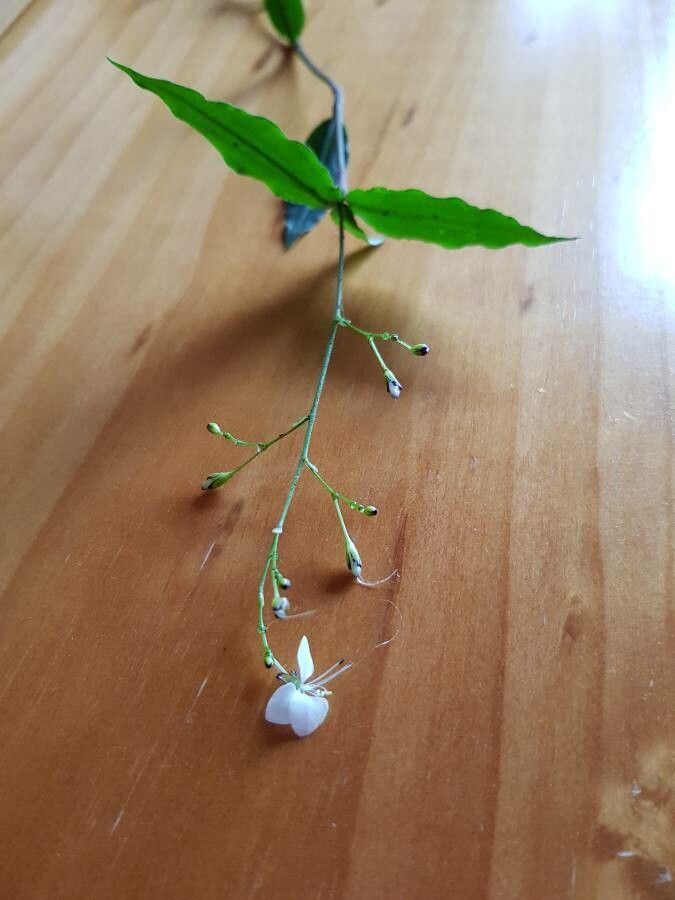
Well hello there, fellow plant lovers! Today, we’re diving into the wonderful world of propagating Aneilema acuminatum. If you’ve ever admired its lush, green foliage and delicate blooms, you’re in for a treat! This plant, often known for its striking, arching leaves, brings a touch of tropical elegance to any space. And the best part? Growing new ones from your existing plant is surprisingly rewarding. For those of you just starting your propagation journey, you’ll be happy to hear that Aneilema acuminatum is generally quite forgiving, making it a lovely plant to practice on.
The Best Time to Start
Timing is everything in the garden, and with Aneilema acuminatum, spring is truly your best friend. As the days get longer and the temperatures begin to warm, the plant is bursting with energy. This vigorous growth spurt means it’s much more likely to root quickly and successfully. You can also have good luck in early summer, but aim for when your plant is actively growing, not lagging behind.
Supplies You’ll Need
Here’s a quick rundown of what you’ll want to have on hand. Don’t worry, it’s nothing too fancy!
- Sharp, clean pruning shears or a knife: For making clean cuts.
- Well-draining potting mix: A good mix for houseplants, or you can create your own with equal parts peat moss and perlite.
- Small pots or containers: With drainage holes, of course!
- Rooting hormone (optional but helpful): This can give your cuttings a little boost.
- Gloves (optional): If you have sensitive skin, they can be a good idea.
- Watering can or spray bottle: For gentle watering.
Propagation Methods
Aneilema acuminatum is famously easy to propagate, and I find these two methods work like a charm:
Stem Cuttings: Let’s Get Rooting!
- Select a healthy stem: Look for a stem that’s at least 4-6 inches long and has a few sets of leaves.
- Make a clean cut: Using your sharp shears, cut the stem just below a leaf node. This is the little bump where a leaf meets the stem – it’s a powerhouse for new root growth!
- Pinch off lower leaves: Gently remove the leaves from the bottom two-thirds of your cutting. This prevents them from rotting in the soil (or water).
- Dip in rooting hormone (optional): If you’re using rooting hormone, dip the cut end into it. Tap off any excess.
- Plant your cutting: Fill a small pot with your well-draining potting mix. Make a hole in the center with your finger or a pencil and insert the cut end of the stem. Gently firm the soil around it.
- Water gently: Water until the soil is evenly moist but not waterlogged.
Water Propagation: Watching Those Roots Grow!
This method is so satisfying because you get to see the magic happen!
- Prepare your cutting: Follow steps 1-3 from the stem cuttings method above.
- Place in water: Find a clean jar or glass and fill it with room temperature water.
- Submerge the cut end: Place the cutting in the water, ensuring the leaf nodes where you removed the leaves are submerged. Crucially, make sure no leaves are touching the water’s surface.
- Position for light: Place the container in a bright spot with indirect light.
The “Secret Sauce” (Pro Tips)
Over the years, I’ve learned a few little tricks that can really make a difference:
- Don’t be afraid of soft stems: While I advocate for healthy stems, sometimes cuttings from slightly softer, new growth can root even faster than very woody ones. Just ensure they look vibrant!
- Humidity is your friend: Newly inserted cuttings don’t have roots to draw up water efficiently. I often tent a plastic bag loosely over the pot for the first week or two. This creates a humid little greenhouse that dramatically helps prevent wilting and encourages rooting. Just make sure to poke a few small holes in the bag for air circulation.
- Bottom heat for speed: If you have a heating mat for seed starting, placing your potted cuttings on it can significantly speed up root formation. This is especially useful if your home tends to be cooler.
Aftercare & Troubleshooting
Once you see tiny white roots emerging from the drainage holes (for potted cuttings) or growing noticeably in the water, it’s time to celebrate!
- For water-propagated cuttings: Once the roots are about an inch long, you can gently transplant them into pots with your well-draining potting mix. Water them well initially, and then water as you would a mature plant.
- For potted cuttings: Keep the soil consistently moist (but not soggy) until you see new leaf growth, which is a sure sign that roots have formed.
- Watch out for rot: This is the most common culprit for failure. If your cutting looks slimy, turns black, or smells foul, it’s likely rotted. This usually happens from too much moisture and poor air circulation. If you’re water propagating, change the water every few days.
A Encouraging Closing
Propagating plants is a beautiful way to connect with nature and expand your green collection. Don’t get discouraged if your first attempt isn’t perfect! Each cutting is a learning opportunity. Be patient, keep your cuttings in good light, and trust the process. Happy propagating, and may your Aneilema acuminatum adventures be fruitful!
Resource:
https://identify.plantnet.org/k-world-flora/species/Aneilema%20acuminatum%20R.Br./data