Hey there, fellow garden lovers!
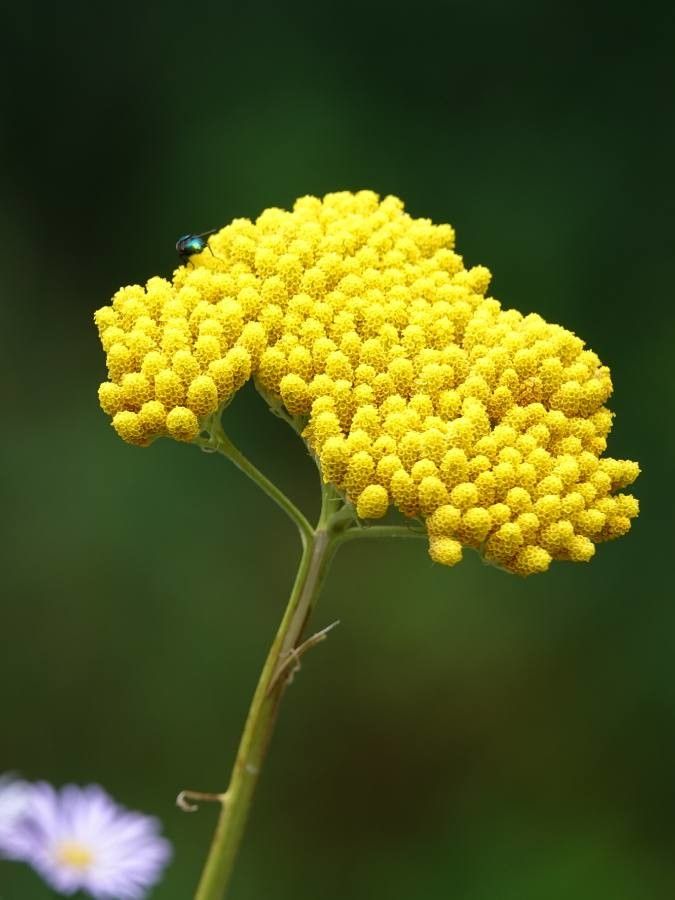
If you’ve ever admired those lovely, frothy clusters of white flowers adorning an Achillea ageratum in bloom, you know how utterly charming they are. I’ve been growing these beauties for years, and I can tell you, there’s a special kind of satisfaction in creating more of them yourself. It’s like nurturing new life, and trust me, this plant is definitely on the easier side for propagating, even for those of you just dipping your toes into the wonderful world of plant multiplication.
The Best Time to Start
For the highest chance of success with Achillea ageratum, I like to get started in late spring or early summer. This is when the plant is in its active growing phase. You’re looking for stems that are healthy, firm, and have a good amount of leafy growth, but haven’t yet hardened off into tough, woody material. Think of them as strong, eager youngsters ready to put down roots.
Supplies You’ll Need
Before we get our hands dirty, let’s gather our tools:
- Sharp, clean pruning shears or a clean knife: Essential for making clean cuts.
- Rooting hormone (optional but recommended): Helps give those cuttings a boost. Look for a powder or gel.
- Well-draining potting mix: A 50/50 blend of peat moss or coco coir and perlite often works wonders. You want something light and airy.
- Small pots or seedling trays: Clean ones are a must to prevent disease.
- Watering can or spray bottle: For gentle watering.
- Plastic bag or propagation dome: To create a humid microclimate.
Propagation Methods
I usually find that taking stem cuttings is the most reliable way to go with Achillea ageratum. Here’s how I do it:
- Select Your Cuttings: Find a few healthy, non-flowering stems on your parent plant. Cut a stem just below a leaf node (where a leaf attaches to the stem). Aim for cuttings that are about 4-6 inches long.
- Prepare the Cuttings: Gently remove the lower leaves from the cutting, leaving just a few at the top. If your cuttings are quite long, you can even cut them in half to create more potential plants!
- Apply Rooting Hormone (Optional): If you’re using rooting hormone, dip the cut end of the stem into it. Tap off any excess.
- Create Holes: Make a small hole in your potting mix with a pencil or your finger. This prevents the rooting hormone from being scraped off when you insert the cutting.
- Plant Your Cuttings: Insert the cut end of each cutting into the hole and gently firm the soil around it. Make sure the leaf nodes that were below the soil line are now buried.
- Water Gently: Water the soil thoroughly but gently. You don’t want to dislodge your precious cuttings.
- Create Humidity: Cover the pots or tray with a clear plastic bag or a propagation dome. This traps moisture and creates the humid environment cuttings need to root. Ensure the leaves aren’t touching the sides of the bag, as this can encourage rot.
The “Secret Sauce” (Pro Tips)
Here are a couple of things I’ve learned over the years that really make a difference:
- Patience is Key with Bottom Heat: While not strictly essential for Achillea ageratum, if you have one, placing your pots on a heat mat can significantly speed up root formation. It mimics the warmth of spring and encourages those roots to get going.
- Mist, Don’t Drown: When you’ve got your cuttings covered, mist the inside of the plastic bag or dome daily if you see condensation decreasing. The goal is consistently moist, not soggy, conditions. Soggy soil is the enemy of new cuttings!
- Think About Airflow: Every few days, lift the plastic bag for a few minutes to allow for air circulation. This helps prevent fungal diseases from taking hold.
Aftercare & Troubleshooting
Once you start seeing new leaf growth on your cuttings, it’s a good sign that roots are developing. You can gently tug on a cutting – if there’s resistance, they’ve rooted!
- Acclimatize Slowly: Gradually remove the plastic bag over a week to let your new plants adjust to the drier air.
- Watering: Continue to water gently, allowing the top inch of soil to dry out between waterings.
- Repotting: Once your plants have a decent root system and are actively growing, you can transplant them into individual, slightly larger pots.
- Watch for Rot: The most common issue you might encounter is stem rot. This usually happens if the soil is too wet and there isn’t enough air circulation. If you see a cutting go black and mushy at the base, unfortunately, it’s likely a goner. Pull it out and discard it to prevent it from spreading. Yellowing leaves can also be a sign of overwatering or a lack of light.
A Little Encouragement to Finish
Propagating plants is such a rewarding experience, and Achillea ageratum is a fantastic one to practice on. Don’t be discouraged if not every single cutting takes – nature has its own rhythm! Just keep trying, observe your plants, and enjoy the process of bringing more of these charming blooms into your garden. Happy growing!
Resource:
https://identify.plantnet.org/k-world-flora/species/Achillea%20ageratum%20L./data