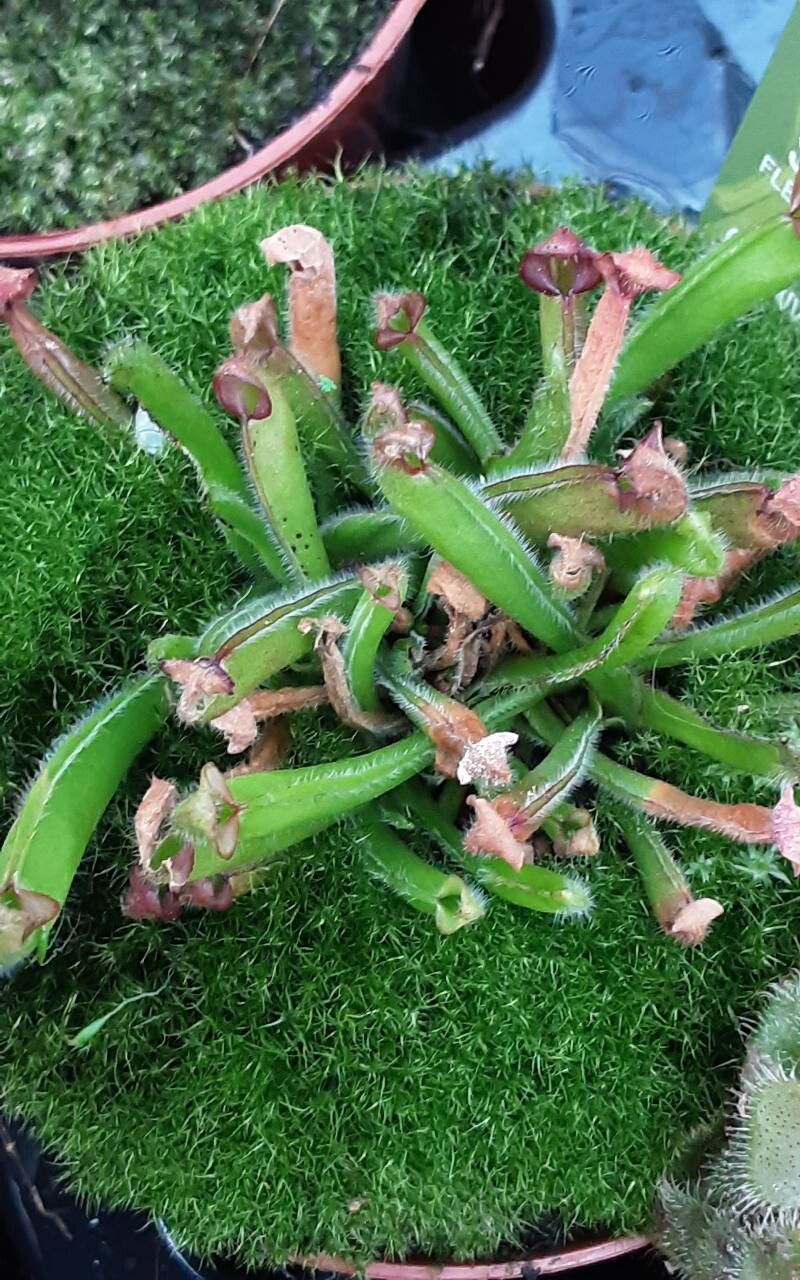
Hello fellow plant lovers! Today, we’re diving into something truly special: coaxing new life from our beloved Heliamphora heterodoxa. If you’re captivated by these unique pitcher plants, with their elegant, sometimes vibrant traps, you’re in for a treat. Propagating them is a wonderful way to expand your collection or share the magic with friends.
Now, I won’t sugarcoat it. Heliamphora can be a little particular. They’re not quite in the “throw it in a pot and forget it” category. But with a bit of care and attention, propagating Heliamphora heterodoxa is absolutely achievable, even for those who are just starting to get their hands dirty with carnivorous plants. The satisfaction of seeing a tiny new pitcher unfurl is immense!
The Best Time to Start
Timing is everything, and for Heliamphora heterodoxa, the golden window is during their vibrant active growing season. This typically falls in the late spring and summer months. You’ll notice the plant is putting out a lot of new growth – plump pitchers, sturdy leaves. This is when it has the most energy reserves to invest in new projects, like forming roots. Avoid propagating when the plant is dormant or stressed.
Supplies You’ll Need
Gathering your tools beforehand makes the whole process smoother. Here’s what I usually have on hand:
- Fresh, sterile potting mix: A good blend for Heliamphora is usually a mix of sphagnum peat moss and perlite or horticultural sand. Aim for roughly a 1:1 ratio. I often add a bit more perlite for excellent drainage, which these guys love.
- Sharp, sterile pruning shears or a razor blade: Cleanliness is paramount to prevent disease.
- Small pots or trays: These should have drainage holes. Small peat pots or plastic seedling trays work well.
- Distilled water or rainwater: Tap water is a no-go for carnivorous plants due to its mineral content.
- Optional: Rooting hormone: While not always necessary for Heliamphora heterodoxa, it can give cuttings a boost. I prefer the powder form.
- Optional: Heating mat: This can be a game-changer for encouraging root development.
Propagation Methods
There are a couple of surefire ways to get more Heliamphora heterodoxa. Division is often the easiest for established plants, while cuttings can be rewarding for those willing to be a bit more patient.
1. Division (for Established Plants)
This is like giving your Heliamphora a haircut and getting babies in return.
- Gently unpot your mature Heliamphora heterodoxa.
- Carefully examine the root ball. You’re looking for sections that have their own set of healthy pitchers and roots.
- Using your sterile tool, gently separate these sections. You want to ensure each division has a good amount of roots attached. Don’t be afraid to carefully tease them apart.
- Pot each division into its own container filled with your prepared potting mix.
- Water thoroughly with distilled water or rainwater to settle the mix around the roots.
2. Stem Cuttings
This method takes a little more finesse but can be incredibly successful.
- Locate a healthy, non-flowering stem on your Heliamphora heterodoxa. Look for a stem that has at least one or two pitchers and a few leaves.
- Using your sterile shears or razor, make a clean cut just below a leaf node (the point where a leaf attaches to the stem).
- If you’re using rooting hormone, lightly dip the cut end into the powder.
- Prepare a small pot with your moist potting mix. Make a small hole in the center.
- Gently insert the cut end of the stem into the hole, ensuring good contact with the soil.
- Firm the soil gently around the stem.
- Water lightly with distilled water or rainwater.
The “Secret Sauce” (Pro Tips)
Here are a few tricks I’ve picked up over the years that really seem to make a difference:
- The Importance of Drainage: Heliamphora heterodoxa absolutely loathe sitting in soggy soil. Ensure your potting mix is airy and that your pots have plenty of drainage holes. This is probably the single most important factor for their success, and therefore, for successful propagation.
- Bottom Heat Boost: If you’re doing stem cuttings, placing the pots on a gentle heating mat can significantly speed up root development. Aim for a consistent temperature of around 70-75°F (21-24°C). It mimics the warmth they’d experience in their natural habitat.
- Humidity is Your Friend: New cuttings and divisions need high humidity to prevent them from drying out before they can establish roots. I often place my pots inside a clear plastic bag or a small propagation dome. Just make sure to vent it occasionally to prevent mold.
Aftercare & Troubleshooting
Once your propagation is planted, it’s time for watchful waiting and gentle care.
- Keep the potting mix consistently moist but not waterlogged. Think “damp sponge.”
- Provide bright, indirect light. Direct sun can scorch delicate new growth.
- Patience is key! It can take several weeks, sometimes even a couple of months, for new roots to form. You might see new pitcher growth before you see significant root development.
- Signs of Trouble: The most common issue is rot. If the stem or division turns mushy and black, it’s usually a sign of too much moisture or not enough airflow. Discard any rotting material immediately to prevent it from spreading. If a cutting just looks sad and isn’t developing roots, it might just not have had enough energy or the conditions weren’t quite right. Don’t be discouraged; try again!
A Welcoming New Beginning
Propagating Heliamphora heterodoxa is a journey, and like any good gardening adventure, it rewards patience and observation. Take your time, enjoy the process, and celebrate each tiny success. Soon you’ll have a veritable jungle of these fascinating pitcher plants! Happy growing!
Resource:
https://identify.plantnet.org/k-world-flora/species/Heliamphora%20heterodoxa%20Steyerm./data