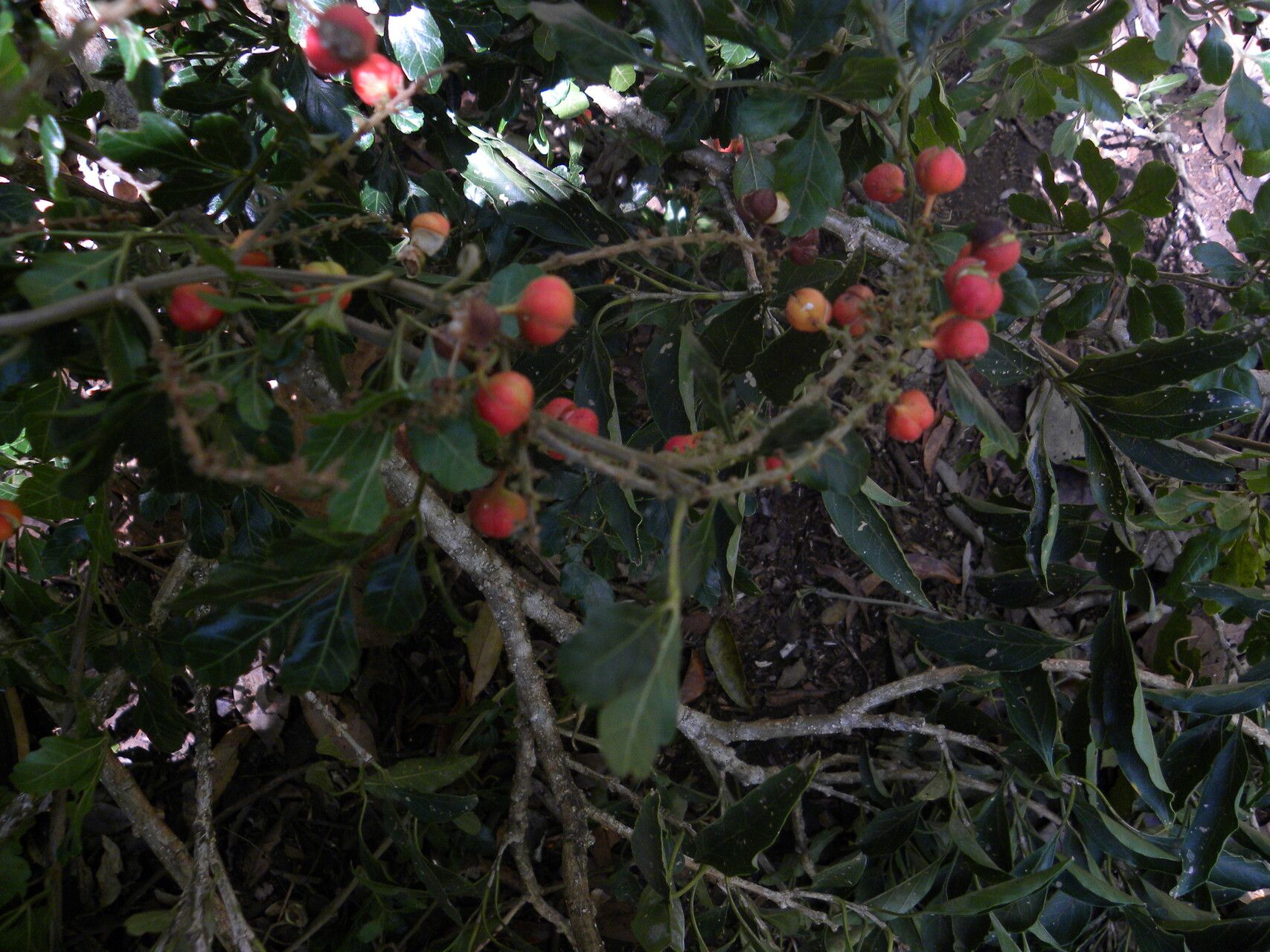
Oh, hello there! Come on in, grab a seat. I’ve got a fresh pot of coffee brewing. Today, I want to chat about a little gem I’ve come to adore: Paullinia costaricensis. If you’re looking for a plant that’s not just beautiful, but offers a real sense of accomplishment to grow yourself, this is it. Its lush foliage and interesting growth habit make it a fantastic addition to any collection, and honestly, propagating it is a journey I think you’ll find quite rewarding. Now, is it a walk in the park for absolute beginners? I’d say it’s on the slightly more adventurous side, but with a little guidance, you’ll be just fine.
The Best Time to Start
Timing is everything in the garden, isn’t it? For Paullinia costaricensis, your best bet to get those baby plants off to a flying start is during its active growing season. Think late spring through summer. This is when the plant is full of vigor, producing soft, new growth that’s much more receptive to rooting. Trying to propagate when it’s sluggish in cooler months is like asking someone to run a marathon after a winter nap – it’s just not going to be as successful.
Supplies You’ll Need
Gathering your tools beforehand always makes the process smoother. Here’s what I keep handy:
- Sharp Pruning Shears or a Clean Knife: For taking clean, precise cuttings.
- Rooting Hormone: A good quality powder or gel can really give your cuttings a boost.
- Potting Mix: I prefer a well-draining mix. A blend of peat moss, perlite, and a bit of compost usually does the trick. You can also buy specific succulent or seedling mixes.
- Small Pots or Propagation Trays: Clean and with drainage holes, of course!
- Clear Plastic Bags or Domes: To create a humid microclimate.
- Perlite or Small Gravel: For the bottom of the pots to ensure excellent drainage.
- Watering Can with a Fine Rose: For gentle watering.
Propagation Methods
Now for the hands-on part! Paullinia costaricensis is most commonly and successfully propagated by stem cuttings.
Stem Cuttings
- Select Your Cuttings: Look for healthy, semi-hardwood stems on your mature plant. You want stems that are a little bit firm but not woody. A good length is usually 4-6 inches. Make sure each cutting has at least two or three leaf nodes (where the leaves attach to the stem).
- Make the Cut: Using your sharp pruning shears or knife, make a clean cut just below a leaf node. This is where the magic of root formation often begins.
- Prepare the Cutting: Gently remove the lower leaves from the cutting, leaving just a couple at the very top. If your leaves are very large, you can even cut them in half to reduce water loss.
- Apply Rooting Hormone: Dip the cut end of the stem into your rooting hormone, tapping off any excess.
- Plant the Cutting: Fill your small pots with your prepared potting mix, adding a layer of perlite or gravel at the bottom for extra drainage. Make a hole in the center of the mix with your finger or a pencil, and insert the cutting, ensuring the leaf nodes are buried. Gently firm the soil around the base of the cutting.
- Water Gently: Water the soil thoroughly but gently, allowing any excess to drain away.
- Create Humidity: Place the pot inside a clear plastic bag, propping it up with stakes so the leaves don’t touch the plastic, or use a propagation dome. This creates a humid environment that encourages rooting.
The “Secret Sauce” (Pro Tips)
Here are a couple of things I’ve learned that often make the difference:
- Don’t let those top leaves touch the inside of the plastic bag or dome. Condensation can lead to fungal issues, and nobody wants that! A little air circulation goes a long way.
- Consider bottom heat. A gentle warmth from a seedling heat mat can significantly speed up the rooting process. It mimics the warmth of spring soil, encouraging those roots to get going. Just make sure it doesn’t dry out your soil too quickly.
Aftercare & Troubleshooting
Once your cuttings are planted and nestled in their humid little homes, patience is key. Keep the soil consistently moist but never waterlogged. You should start to see new growth appearing in about 4-8 weeks, which is a good sign that roots are forming. Once you see that, you can gradually acclimate the new plant to normal room humidity by slowly opening the bag or dome over a week or two.
The most common issue you might encounter is rot. If your cutting looks mushy or black, it’s likely a sign of too much moisture and poor air circulation. Unfortunately, a rotten cutting is usually a goner. If you see signs of wilting that isn’t related to dryness, it might be a sign of fungal disease. Ensure good air flow around your cuttings.
A Encouraging Closing
So there you have it! Propagating Paullinia costaricensis is a wonderful way to expand your plant family. It might take a little patience, and you might have a cutting or two that doesn’t make it – that’s just part of the learning curve! But the joy of seeing those first tiny roots emerge and then potting up your very own new plant is truly something special. Enjoy the process, learn from each one, and happy gardening!
Resource:
https://identify.plantnet.org/k-world-flora/species/Paullinia%20costaricensis%20Radlk./data