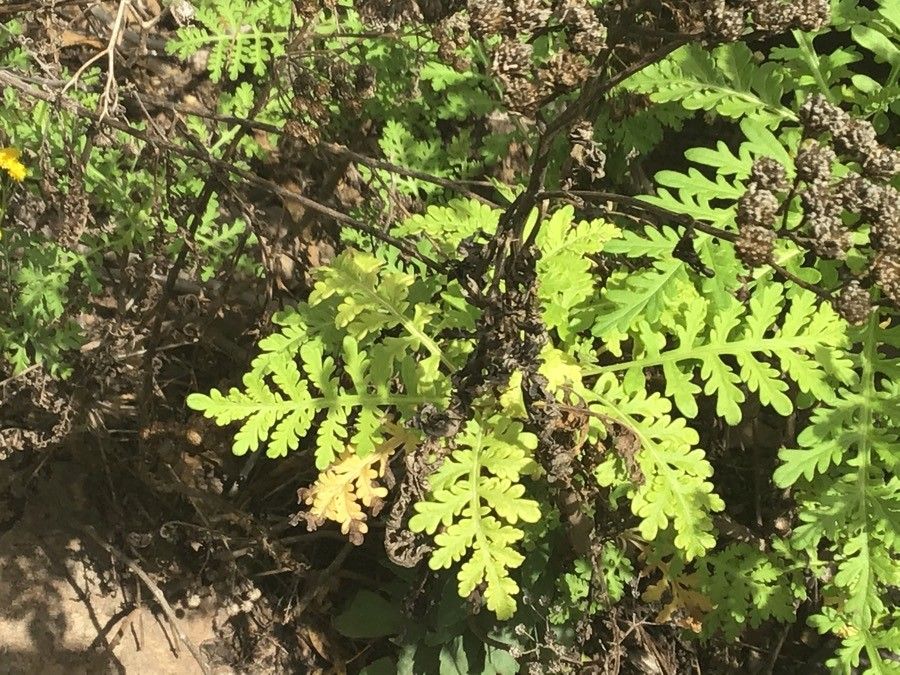
Hey there, fellow plant lovers! I’m so excited to chat with you today about a really special little gem: Cheirolophus satarataensis. If you’re familiar with this Mediterranean beauty, you already know its charm. Those delicate, starry flowers and a wonderfully compact habit make it a real standout in any garden or pot. And the best part? Propagating it is incredibly rewarding, allowing you to fill your space (or share with friends!) with more of this delightful plant. Now, for the big question: is it a beginner-friendly plant to propagate? Honestly, it’s got a bit of a reputation for being a tad particular, but with a little know-how and patience, I promise you can absolutely succeed.
The Best Time to Start
For Cheirolophus satarataensis, late spring to early summer is your golden window. This is when the plant is actively growing and has plenty of vigor. You’re looking for stems that are growing but aren’t yet woody. Think of it as capturing the plant at its most energetic point. Starting too late in the season can mean your new cuttings might not establish well before cooler weather sets in.
Supplies You’ll Need
Here’s what I always have on hand when I’m propagating:
- Sharp, clean pruning shears or a knife: A clean cut is crucial to prevent disease.
- Rooting hormone (optional but recommended): This can really boost your success rates. Look for one for softwood cuttings.
- A well-draining potting mix: I love a blend of equal parts perlite, peat moss, and fine bark. A cactus or succulent mix also works well.
- Small pots or trays: Clean containers are a must!
- Plastic bags or a propagator lid: To create a humid environment.
- Water: For misting and watering.
- Labels: To remember what you’ve planted, when, and where!
Propagation Methods
Let’s dive into how we can create new Cheirolophus satarataensis plants. My go-to method for this particular plant is stem cuttings.
- Select Your Cuttings: In late spring or early summer, identify healthy, non-flowering stems. Look for growth that’s about 4-6 inches long.
- Make the Cut: Using your clean shears or knife, make a cut just below a leaf node (where a leaf attaches to the stem). This is where roots are most likely to form.
- Prepare the Cutting: Gently remove the lower leaves, leaving just a few at the top. If your cutting is very long, you can even cut it in half horizontally, again just above a leaf node, to create two potential plants.
- Apply Rooting Hormone (if using): Dip the cut end into your rooting hormone, tapping off any excess.
- Plant Your Cuttings: Fill your pots or trays with your well-draining mix. Make a small hole with a pencil or your finger, and carefully insert the prepared cutting, ensuring the nodes where you removed leaves are buried.
- Water Gently: Water lightly to settle the soil around the cutting.
The “Secret Sauce” (Pro Tips)
Here are a few tricks that have helped me over the years to get those stubborn cuttings to root:
- Humidity is Key, but Keep it Moving: These plants love a humid environment to prevent drying out, but stagnant air can encourage mold. I use a plastic bag tented over my pots, but I make sure to open it for a few minutes each day to allow for air circulation. Or, better yet, use a propagator lid with adjustable vents.
- Bottom Heat is Your Friend (Sometimes): If your home tends to be a bit cool, placing your pots on a gentle heat mat can significantly speed up root development. You don’t want it too hot, just a nice warmth to encourage those roots to wake up.
- Don’t Overwater! This is a big one for Cheirolophus. They’re prone to rot if their roots sit in soggy soil. Let the top inch of the potting mix dry out slightly between waterings.
Aftercare & Troubleshooting
Once you’ve got your cuttings planted, the waiting game begins! Keep them in a bright spot, but out of direct, harsh sunlight, which can scorch tender new growth. Continue to mist them lightly and water sparingly, always checking that the soil isn’t waterlogged.
You’ll know your cutting has successfully rooted when you see new growth, or when you give the cutting a very gentle tug and feel resistance. This can take anywhere from 4 weeks to a couple of months.
What if things go wrong? The most common issue is rot. If you see your cutting turning mushy or black, it’s likely too much moisture. Unfortunately, once rot sets in, it’s usually difficult to save. Prevention is key here – ensure your soil is well-draining and you’re not overwatering. If the cutting simply wilts and doesn’t seem to be doing anything, it might be that the conditions aren’t quite right, or it’s just taking its sweet time. Don’t despair! Sometimes a single cutting will surprise you.
A Encouraging Closing
Growing new plants from cuttings is such a satisfying part of gardening. It might take a little patience, and you might not have 100% success every time, but that’s all part of the journey. Enjoy the process, celebrate every little bit of new growth, and soon you’ll have a beautiful collection of Cheirolophus satarataensis to admire! Happy propagating!
Resource: