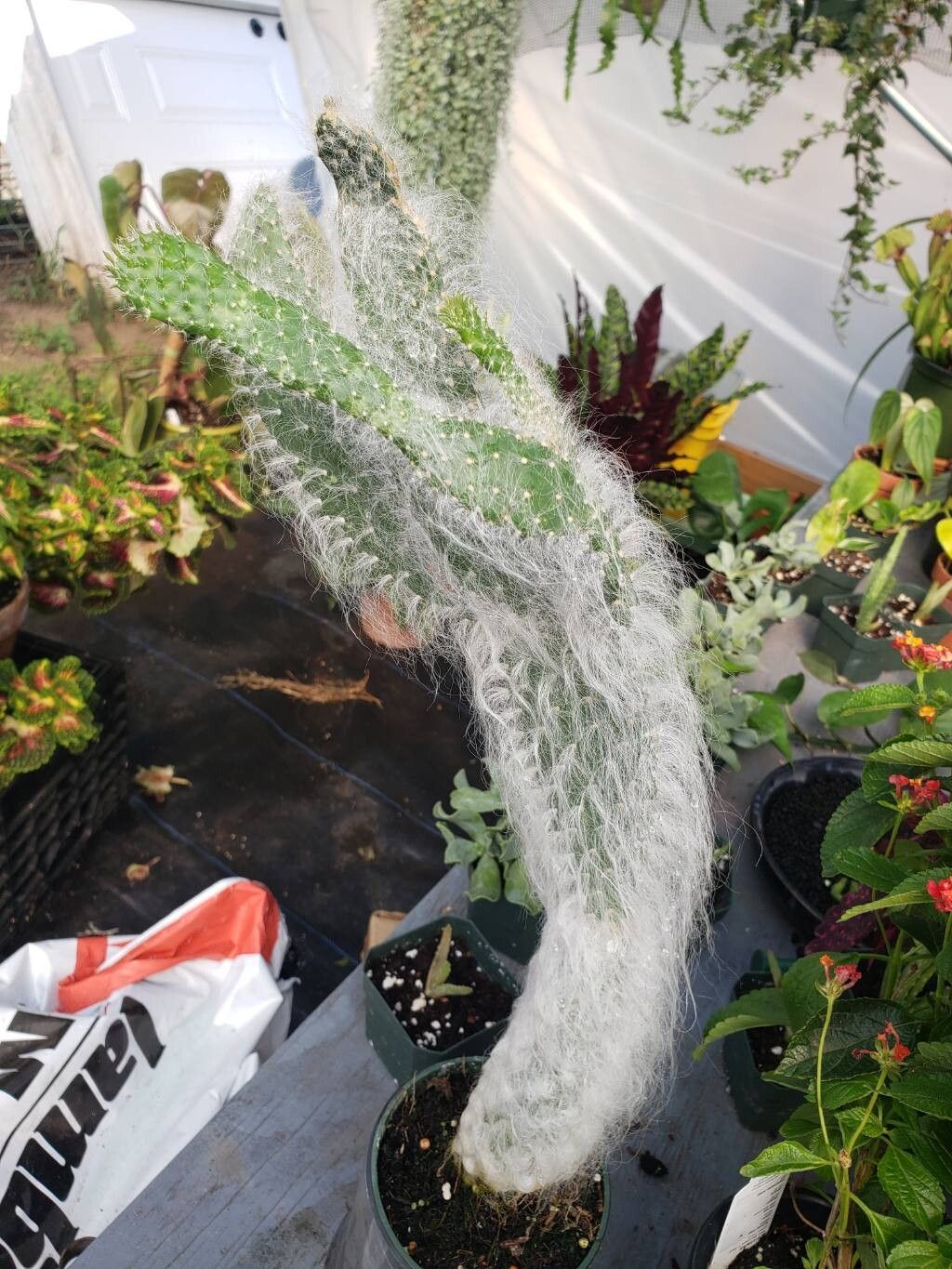
Oh, hello there! Grab your favorite mug, and let’s chat about a truly delightful challenge: propagating Opuntia orbiculata. If you’ve ever admired those flat, paddle-like segments, often adorned with a scattering of delicate spines, you know their charm. And the best part? You can easily bring that charm into your own space by growing new ones! I’ve been playing with cacti for about two decades now, and I can tell you, Opuntia orbiculata is a wonderfully rewarding plant to propagate. It’s a fantastic choice for beginners, incredibly forgiving, and seeing those tiny roots form is just the best!
When to Get Your Hands Dirty
The absolute best time to start propagating your Opuntia orbiculata is during its active growing season. Think late spring through mid-summer. This is when the plant is full of energy, ready to burst forth with new growth. Propagating during this time gives your cuttings the best chance to root quickly. Avoid trying this when the plant is dormant in the cooler months; it’ll just lead to disappointment.
What You’ll Need
Gathering your supplies beforehand makes the whole process much smoother. Here’s what I always have on hand for propagating my opuntias:
- Clean, sharp pruning shears or a knife: For making clean cuts.
- A well-draining potting mix: I like to use a cactus and succulent blend, often with a good amount of perlite or pumice added for extra aeration.
- Gloves: Especially important for opuntias, as their glochids (those tiny, hair-like spines) can be a real nuisance.
- A container or pot: Something shallow with drainage holes is ideal.
- Rooting hormone (optional but recommended): This can give your cuttings a little boost.
- A sandy top dressing (optional): Helps keep the base of the cutting dry.
- Newspaper or cardboard: To handle the cactus segments carefully.
Let’s Get Propagating!
For Opuntia orbiculata, stem cuttings are absolutely the most common and easiest method. It’s super straightforward!
- Choose Your Segment: Gently examine your parent plant and select a healthy, mature segment. Avoid any that look mushy or have signs of pests. You can take a whole segment or even a smaller piece of one.
- Make the Cut: Wearing your gloves, carefully use your clean pruning shears or knife to make a clean cut where the segment meets the rest of the plant. If you’re taking a smaller piece, cut it from the joint of a larger segment.
- Callousing is Crucial: This is probably the most important step. Do not put your cutting straight into soil or water! You need to let the cut end dry out and form a callus. Place the cutting in a bright spot, out of direct sun, for several days to a week, or even longer. You’ll see the cut surface turn dry and papery. This prevents rot when it’s planted.
- Planting the Cutting: Once calloused, you can plant your cutting. Gently insert the calloused end about an inch or two into your prepared well-draining potting mix. You can use a light top dressing of sand to help keep the base dry.
- Watering (Sparingly!): This is where many beginners go wrong with succulents! Water very lightly only after a week or two once the cutting is planted. The goal is to encourage roots to seek out moisture. You want the soil to be barely damp.
My “Secret Sauce” Tips
Over the years, I’ve picked up a few tricks that seem to really make a difference.
- Bottom Heat for Speed: If you have it, using a heat mat designed for seedling propagation can significantly speed up rooting. Cacti love a bit of warmth at their base, mimicking summer soil temperatures.
- Don’t Overcrowd: When planting multiple cuttings in one pot, give them a little space. Good air circulation around the segments helps prevent fungal issues, especially as they are getting established.
- Patience is More Than a Virtue Here: I know it’s tempting to check every day, but resist the urge to tug on your cutting. You’ll feel resistance once roots start to form. It can take weeks, sometimes even months, for a robust root system to develop.
Aftercare and What if Things Go Wrong?
Once you start to see signs of new growth, or feel firm resistance when you gently tug, that’s your cue! Your Opuntia orbiculata has rooted! Continue to water sparingly, only when the soil is completely dry. Gradually introduce it to brighter light, but always avoid direct, scorching sun immediately after rooting.
The most common issue you’ll face is rot. If your cutting starts to turn mushy, black, or smelly, it’s almost certainly rot. Unfortunately, at this stage, it’s often too late. The best prevention is proper callousing and extremely careful watering. If you catch a tiny bit of mushiness very early, you might be able to cut away the affected part and let it re-callous, but it’s a long shot. Another sign of trouble is if the cutting simply shrivels up and never seems to plump up. This usually means it hasn’t rooted and is just drying out.
Keep Growing!
Propagating Opuntia orbiculata is such a delightful way to fill your home with these fascinating plants. Remember to be patient, enjoy the process, and celebrate every little victory. Happy propagating, my gardening friend!
Resource: