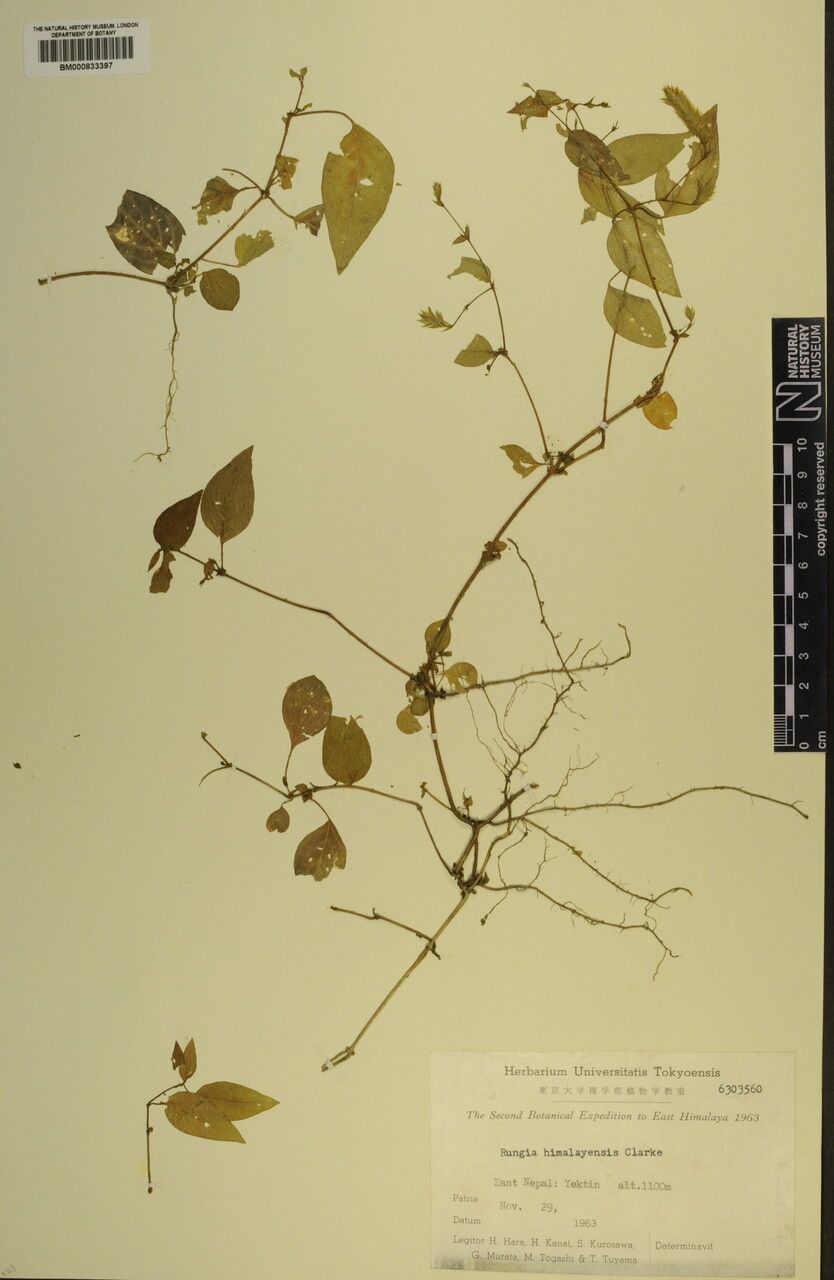
Oh, hello there! I’m so glad you’re interested in Rungia himalayensis. It’s such a lovely plant, isn’t it? Those delicate, often vibrantly colored leaves just bring a smile to my face, and there’s something incredibly satisfying about creating a whole new plant from a tiny piece of an existing one. Think of it as nature’s little gift to us gardeners! For beginners, I’d say Rungia himalayensis is moderately easy to propagate. A little patience and a few key steps, and you’ll be well on your way to success.
The Best Time to Start
For the highest success rate, I like to start propagating Rungia himalayensis in the late spring or early summer. This is when the plant is actively growing and full of vigor. The days are getting longer, the temperatures are warming up, and the plant is just bursting with energy, which translates beautifully into new root development.
Supplies You’ll Need
Gathering your supplies beforehand makes the whole process so much smoother. Here’s what you’ll want to have on hand:
- Sharp Pruning Shears or Scissors: Clean, sharp tools are crucial for making clean cuts that heal well.
- Small Pots or Trays: These are for housing your cuttings while they root.
- Propagating Medium: A well-draining mix is key. I often use a blend of perlite and peat moss (about a 50/50 ratio) or a good quality seed starting mix.
- Rooting Hormone (Optional, but Recommended): This can give your cuttings an extra boost. Look for one specifically for stem cuttings.
- Clear Plastic Bags or Dome: To create a humid environment for your cuttings.
- Watering Can with a Fine Rose or Spray Bottle: For gentle watering.
- Labels and a Marker: So you don’t forget what you planted where!
Propagation Methods
Rungia himalayensis is quite amenable to propagation by stem cuttings, which is my favorite and usually the most successful method.
Stem Cuttings:
- Take Your Cuttings: Select a healthy, non-flowering stem from your Rungia himalayensis. Using your sharp pruning shears, cut a piece about 4-6 inches long. Make your cut just below a leaf node (where the leaf meets the stem). These nodes are where roots are most likely to form.
- Prepare the Cuttings: Gently remove the lower leaves, leaving only the top 2-3 leaves. If the remaining leaves are very large, you can snip them in half to reduce water loss.
- Apply Rooting Hormone (Optional): If you’re using rooting hormone, dip the cut end of the stem into the powder, shaking off any excess.
- Plant Your Cuttings: Fill your small pots with your prepared propagating medium. Make a small hole in the center of the soil with your finger or a pencil. Insert the cut end of the Rungia stem into the hole, ensuring the leaf nodes are below the soil surface. Gently firm the soil around the cutting.
- Water Gently: Water the newly planted cuttings thoroughly but gently. You want the soil to be moist, not waterlogged.
- Create Humidity: Place the pots into clear plastic bags, securing them loosely with a rubber band, or cover them with a clear plastic dome. This traps moisture and creates a humid environment, which is vital for the cuttings to root. Place them in a bright spot, but out of direct sunlight, as this can overheat the cuttings and cause them to scorch.
The “Secret Sauce” (Pro Tips)
Here are a couple of things I’ve learned over the years that really make a difference:
- Don’t Let Leaves Touch the Water: If you decide to try water propagation with a few cuttings (which also works for Rungia!), absolutely ensure the leaves don’t sit in the water. Only the submerged stem should be in contact with the water. Leaves in the water will rot and can take your cutting down with them.
- Bottom Heat is Your Friend: While not strictly necessary, placing your pots on a gentle heating mat designed for seedlings can significantly speed up the rooting process. It mimics the warmth of spring and encourages those roots to get going.
Aftercare & Troubleshooting
Once your cuttings have started to root – you’ll usually see new leaf growth after a few weeks – you can start to gradually acclimate them to normal humidity. This means slowly opening the plastic bag or removing the dome for increasing periods each day. You’ll know they’re truly rooted when they resist gently tugging.
Keep the soil consistently moist but not soggy. If you see your cuttings looking limp and yellowing, it could be a sign of too much moisture and potential rot. Also, watch out for mold, which can happen in overly humid conditions. If you see mold, improve air circulation and remove any affected material immediately.
A Encouraging Closing
Propagating plants is a journey, and like any good journey, it’s about the process as much as the destination. Don’t be discouraged if a few don’t make it. Each attempt teaches you something new. Take a deep breath, enjoy the tactile nature of working with plants, and celebrate those tiny new roots and leaves when they appear. Happy propagating!
Resource:
https://identify.plantnet.org/k-world-flora/species/Rungia%20himalayensis%20C.B.Clarke/data