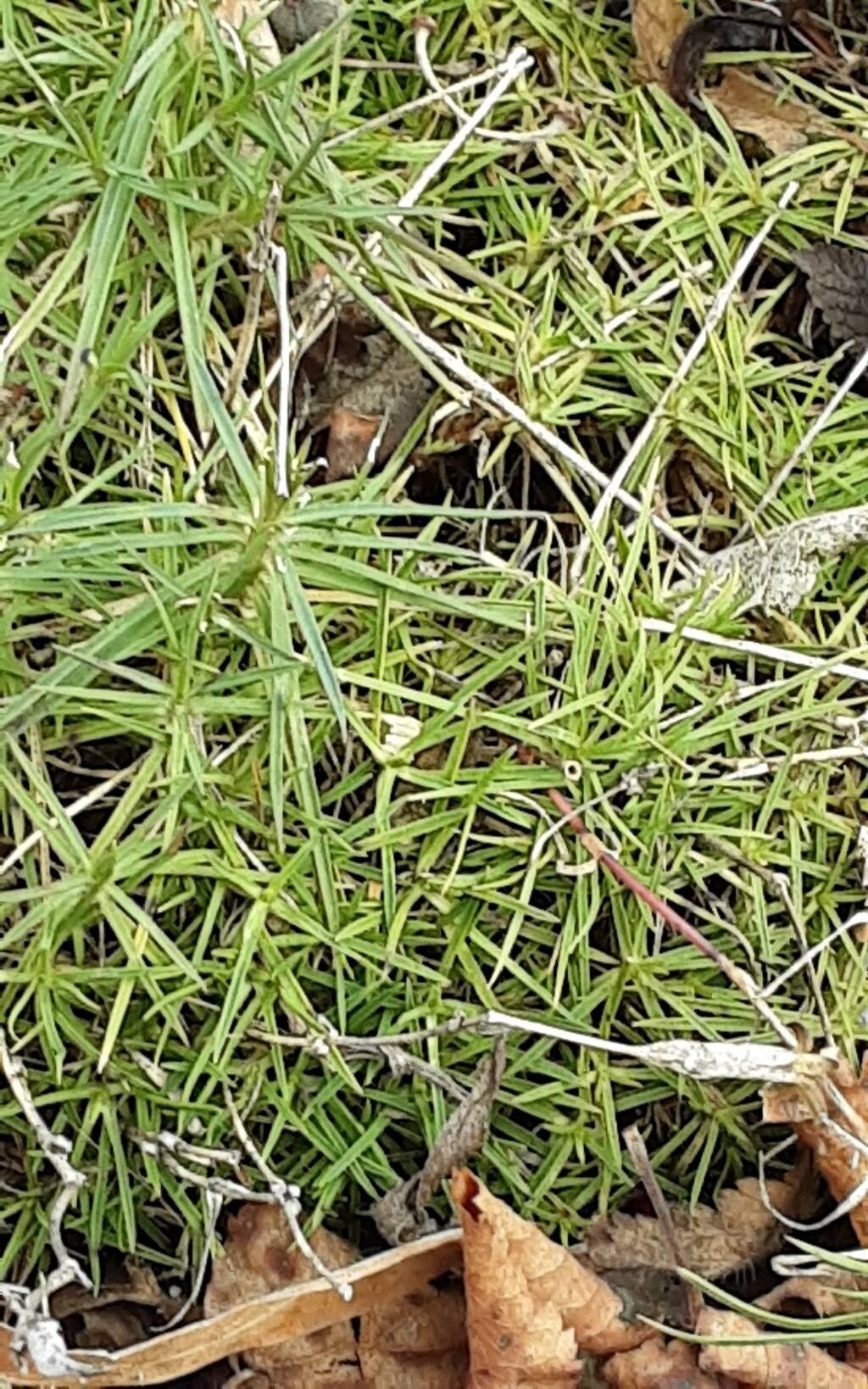
Hello fellow garden enthusiasts! I’m so glad you’ve stopped by. Today, we’re diving into the delightful world of Dianthus graniticus. If you’re anything like me, you’re drawn to its dainty, fringed blooms and its lovely, almost spicy fragrance. It’s a real charmer, perfect for rock gardens, borders, or even spilling out of containers. And the best part? Growing more of these beauties yourself is wonderfully rewarding.
Now, you might be wondering if Dianthus graniticus is a tricky plant to propagate. Honestly, I find it to be quite agreeable, especially once you get the hang of it. It’s a fantastic project for beginners looking to expand their plant collection without breaking the bank!
The Best Time to Start
For the highest success rate with Dianthus graniticus, I always recommend working with it in the late spring or early summer. This is when the plant is actively growing, and its stems have a good amount of energy to put into rooting. You want to grab slightly woody stems, not the floppy, brand-new growth that’s still quite tender. Think of it as the plant being in its prime, ready to share its magic.
Supplies You’ll Need
Here’s a quick rundown of what you’ll want to have on hand:
- Sharp Pruning Shears or a Craft Knife: Cleanliness is key!
- Rooting Hormone (Optional but Recommended): A little boost never hurt anyone.
- Well-Draining Potting Mix: I love a 50/50 blend of seed starting mix and perlite or horticultural grit.
- Small Pots or Trays: Make sure they have drainage holes.
- Plastic Bags or a Propagation Dome: For humidity.
- Watering Can with a Fine Rose: To avoid disturbing your cuttings.
- Labels and a Marker: So you don’t forget what you’ve planted!
Propagation Methods
Let’s get our hands dirty! My go-to method for this plant is stem cuttings, and it’s pretty straightforward.
- Take Your Cuttings: On a healthy, established Dianthus graniticus plant, select a stem that’s about 3-4 inches long. You’re looking for stems that have started to firm up a bit – not the bright green, fresh shoots. Using your clean shears or knife, make a clean cut just below a leaf node (where a leaf joins the stem).
- Prepare the Cuttings: Gently remove the lower leaves from the cutting. You want to expose at least one or two nodes where roots can form. If your cutting has any flower buds, pinch those off too. They steal energy that the plant needs for root development.
- Apply Rooting Hormone (Optional): Dip the cut end of the stem into your rooting hormone, tapping off any excess. Then, carefully push the cut end into the prepared potting mix in your small pot.
- Planting: Make a small hole with your finger or a pencil before inserting the cutting. This prevents you from rubbing off the rooting hormone. Gently firm the soil around the base of the cutting. You can plant several cuttings in the same pot, spaced about an inch or two apart.
- Water and Cover: Water the soil gently until it’s evenly moist, but not waterlogged. Then, cover the pot with a plastic bag or a propagation dome to create a high-humidity environment. This is crucial for preventing the cuttings from drying out before they can root.
The “Secret Sauce”
Here are a couple of things I’ve learned over the years that really give your Dianthus graniticus cuttings a leg up:
First, when you’re setting up your propagation dome or bag, try to keep the leaves from touching the sides of the plastic. If they’re constantly pressed against the condensation, it encourages fungal issues. A small stake or even a toothpicks can help prop up larger leaves.
Second, if you have one, using bottom heat can significantly speed up the rooting process. A gentle, consistent warmth from below encourages root development much faster than ambient room temperature alone. Just a little bit of warmth, like from a propagation mat, works wonders.
Aftercare & Troubleshooting
Once your cuttings are planted and covered, place them in a bright spot with indirect light. Avoid direct sun, as this can scorch the young cuttings. Keep the soil consistently moist – check it daily and water as needed.
You should start seeing some action, like new leaf growth, within 2-4 weeks. This is a good sign that roots are forming! Gently tugging on a cutting will reveal resistance if it has rooted. Once you see good root development, you can gradually acclimate your new plants to drier air by removing the plastic bag for increasing periods each day. Once they’re robust, you can transplant them into their own small pots.
The most common issue you might encounter is rot. This usually happens if the soil is too wet and drainage is poor, or if the humidity is too high without enough air circulation. If you see your cuttings turning mushy or black at the base, it’s usually a sign of rot, and sadly, they’re unlikely to recover. Good drainage and proper watering are your best defense against this.
Happy Propagating!
Growing more of these lovely Dianthus graniticus plants from cuttings is a truly satisfying endeavor. Be patient with them – nature has its own timeline. Enjoy the process, the learning, and the joy of seeing your garden grow tenfold. Happy gardening, everyone!
Resource:
https://identify.plantnet.org/k-world-flora/species/Dianthus%20graniticus%20Jord./data