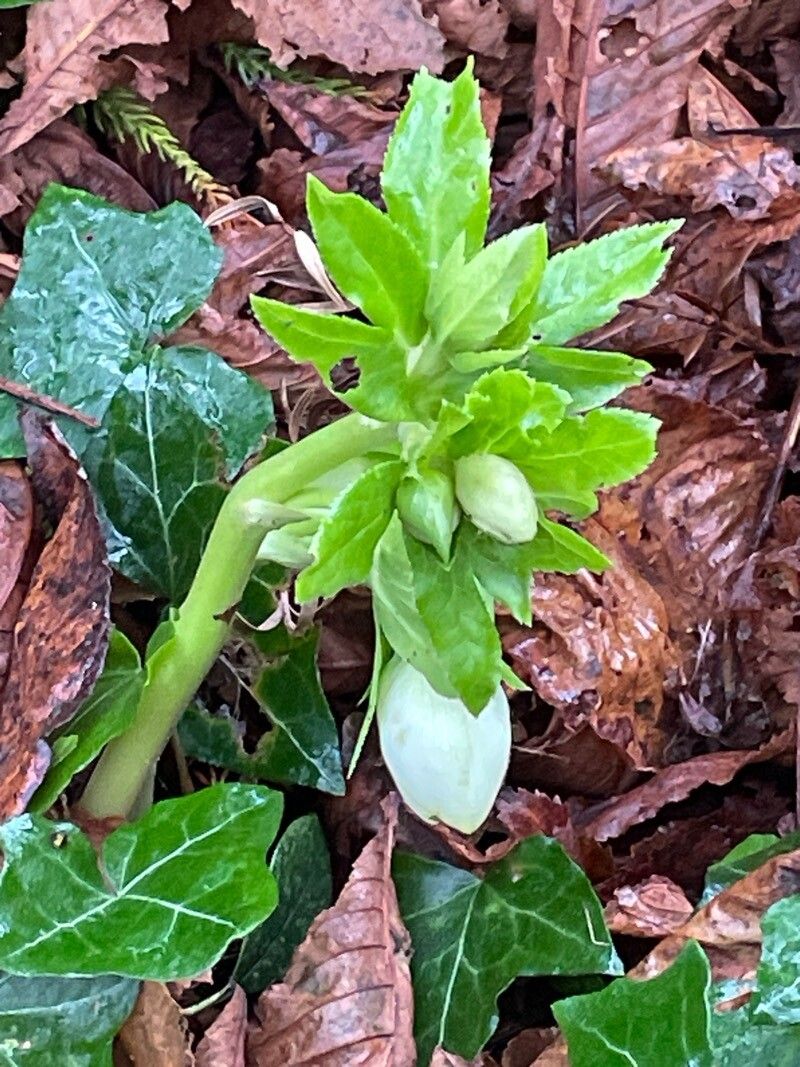
Hello fellow garden enthusiasts! It’s lovely to chat with you today about a truly special plant: Helleborus odorus, also known as the Scented or Odorous Hellebore. If you’re drawn to plants with a bit of mystery and a whole lot of charm, you’re in for a treat. For years, I’ve adored these nodding, bell-shaped flowers that appear in the deep of winter, often braving frost and snow with quiet determination. Their subtle, sweet scent is an unexpected bonus, a little fragrant secret shared only when you lean in close.
Now, you might be wondering if propagating Helleborus odorus is a task for the faint of heart. I’d say it’s moderately challenging, especially compared to something like a succulent. But don’t let that deter you! With a little patience and the right approach, you can absolutely score yourself more of these beauties. And honestly, the satisfaction of nurturing a new plant from a simple cutting or division is pure gardening joy.
The Best Time to Start
The absolute sweet spot for propagating Helleborus odorus is early spring as the plant is just finishing its bloom cycle, or late summer/early autumn before the real chill sets in. This is when the plant has energy reserves without being stressed by extreme heat or the dormancy of deep winter. Trying to divide or take cuttings when it’s actively flowering or in the full heat of summer can be quite tough on the parent plant and the new propagules.
Supplies You’ll Need
Here’s what I like to have on hand:
- Sharp Pruning Shears or a Clean Knife: Essential for making clean cuts to minimize damage.
- Well-Draining Potting Mix: A blend of peat moss, perlite, and a bit of compost works wonders. I often use a mix specifically for perennials or houseplants.
- Small Pots or Seed Trays: Clean pots are key to preventing disease.
- Rooting Hormone (Optional but Recommended): A powder or gel can significantly boost rooting success, especially for cuttings.
- Labels and a Permanent Marker: You’ll thank yourself later for knowing what’s what!
- A Watering Can with a Fine Rose: To avoid disturbing delicate cuttings.
Propagation Methods
For Helleborus odorus, the most successful methods are division and cuttings.
1. Division: The Surest Bet
- Timing: As mentioned, early spring or late summer/early autumn.
- How-To:
- Gently dig up the entire clump of the Hellebore. Try to disturb the roots as little as possible.
- Carefully brush away excess soil from the root ball. You want to see where the rhizome (the thick underground stem) divides naturally.
- Using your hands or a clean, sharp knife, carefully separate the clump into smaller sections. Each section should have some healthy roots and at least a few leafy shoots.
- If there are any damaged roots or spent flower stalks, trim them away.
- Replant the divisions immediately into your prepared pots or directly into the garden. Make sure the crown of the plant (where the leaves emerge from the roots) is at soil level. Water them in well.
2. Stem Cuttings: A Bit More Patience Required
- Timing: Best done in late spring to early summer.
- How-To:
- Select a healthy, leafy stem that is not flowering. Look for stems that are firm but not woody.
- Using your sharp shears, take a cutting about 4-6 inches long. Make the cut just below a leaf node (where a leaf attaches to the stem).
- Remove the lower leaves from the cutting, leaving about 2-3 leaves at the top.
- If you have rooting hormone, dip the cut end into the powder or gel.
- Insert the cutting into a small pot filled with your well-draining potting mix. Make a hole with a pencil or your finger first to avoid rubbing off the rooting hormone.
- Water gently to settle the soil around the cutting.
- Cover the pot with a clear plastic bag or place it in a propagator to maintain high humidity. Make sure the leaves don’t touch the sides of the bag.
The “Secret Sauce” (Pro Tips)
Here are a few things I’ve learned over the years that really make a difference:
- Don’t Overcrowd Divisions: When you’re dividing, be patient. It’s tempting to try and get as many pieces as possible. Resist the urge! Each division needs enough healthy root system to thrive. Smaller, healthy divisions are much more likely to succeed than many tiny, stressed ones.
- Bottom Heat for Cuttings: If you’re trying the cutting method, especially if your house is on the cooler side, use a heat mat. This gentle warmth from below encourages root development without overheating the foliage. You’d be amazed at the difference it makes!
- Let Sleeping Roots Lie (for Cuttings): Once you’ve potted your cuttings, resist the urge to tug on them to check for roots! This can break fragile new root hairs. Instead, leave them undisturbed for at least 4-6 weeks. You’ll know they’re rooting when you see new top growth.
Aftercare & Troubleshooting
Once your divisions are planted or your cuttings show signs of rooting (new leaves!), continue to keep the soil consistently moist but not waterlogged. For cuttings, gradually introduce them to open air by peeking the plastic bag or propagator open for increasing amounts of time.
The most common culprit for failure is rot. This usually happens due to overwatering or poor drainage. If you see stems turning mushy or the soil staying soggy for days, you might be overdoing it. Ensure good air circulation around your new plants. If a cutting or division looks completely dead and lifeless with no signs of new growth after a reasonable period, it’s likely not going to make it. Don’t beat yourself up; sometimes it just doesn’t work out, and that’s part of the gardening journey.
A Grateful Goodbye
Propagating Helleborus odorus is a wonderful way to expand your collection and share these winter wonders with friends. Remember to be patient, observe your plants, and trust your instincts. Every gardener has had their failures, but the successes? Oh, they are so incredibly sweet. Enjoy the process, and happy gardening!
Resource: