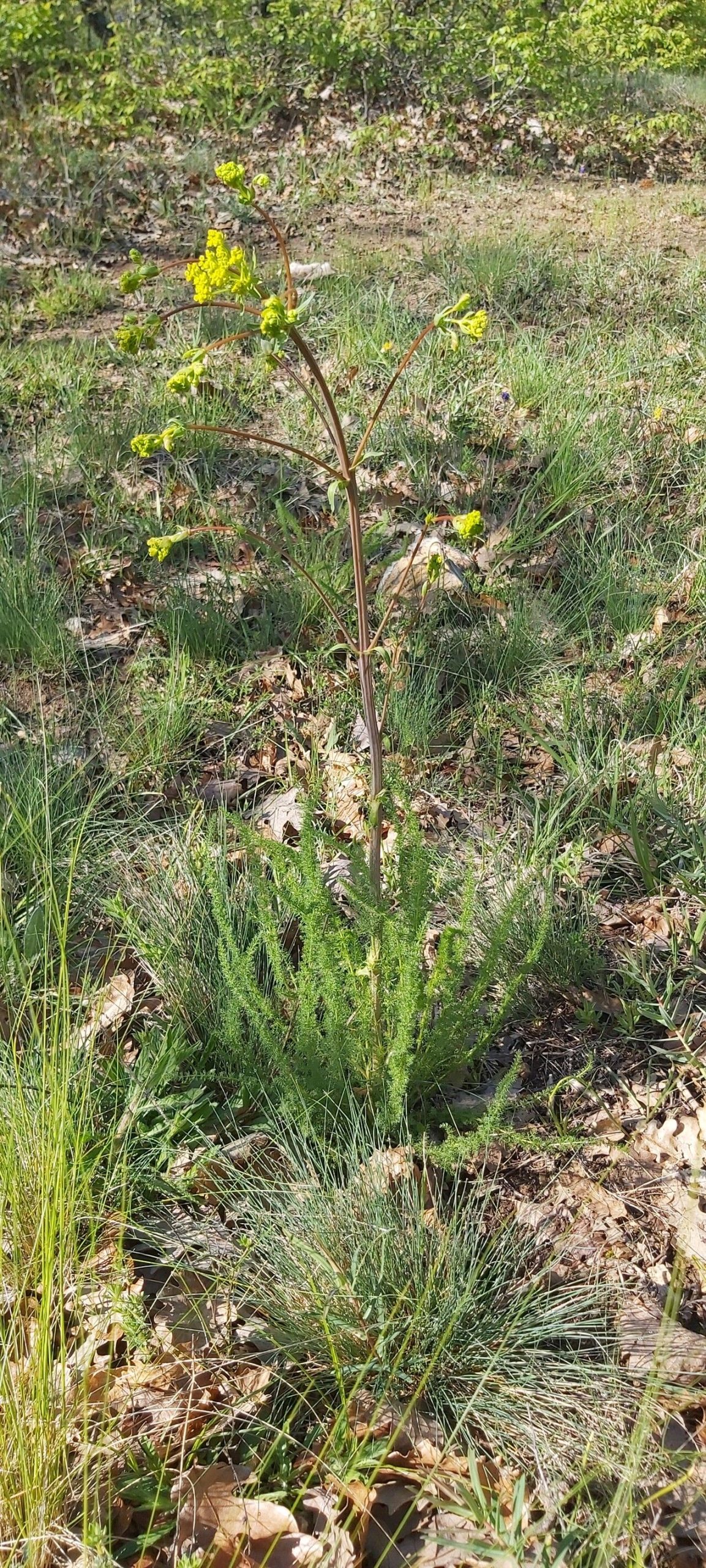
Oh, hello there! It’s wonderful to have you here in my little corner of the gardening world. Today, we’re going to dive into something truly special: propagating Ferulago sylvatica. This plant, with its delicate, feathery foliage and graceful stature, brings such an airy elegance to any garden. It reminds me a bit of wildflowers, but with a cultivated charm. And the best part? You can easily bring more of this beauty into your life by propagating it yourself! For those of you just starting out, don’t fret. While Ferulago sylvatica can be a little particular, by following a few simple steps, you’ll be well on your way to success.
The Best Time to Start
My absolute favorite time to start propagating Ferulago sylvatica is when the plant is actively growing but not in the throes of its main flowering period. Think late spring to early summer. This is when the energy is readily available for new growth, making cuttings more vigorous. You can also have success with division in early spring, just as the plant is waking up from winter dormancy.
Supplies You’ll Need
Before we get our hands dirty, let’s gather our tools:
- Sharp pruning shears or a clean knife: For taking clean cuts.
- Small pots or containers: About 4-6 inches deep are perfect. Make sure they have drainage holes!
- Well-draining potting mix: A good blend is one part peat moss, one part perlite, and one part sharp sand. You could also use a commercial seed-starting mix.
- Rooting hormone (optional but helpful): A powder or gel can give your cuttings a boost.
- Plastic bags or a propagation dome: To create a humid environment.
- Watering can or mister: For gentle watering.
- Labels: To keep track of your efforts!
Propagation Methods
Now, let’s talk about how we’ll get new plants. For Ferulago sylvatica, I find both stem cuttings and division to be very effective.
Stem Cuttings
This method is fantastic for getting multiple new plants from a single parent.
- Take your cuttings: First, select healthy, non-flowering stems from your established Ferulago sylvatica. Aim for cuttings that are about 4-6 inches long. Make a clean cut just below a leaf node. A leaf node is where a leaf attaches to the stem – this is where roots will form.
- Prepare the cuttings: Gently remove the lower leaves from your cuttings, leaving just the top two or three sets. This reduces moisture loss and prevents leaves from rotting in the soil.
- Apply rooting hormone (if using): Dip the cut end of each stem into your rooting hormone, tapping off any excess.
- Plant the cuttings: Fill your pots with your prepared potting mix. Make a small hole with your finger or a pencil and carefully insert the cut end of a cutting. Gently firm the soil around the stem to ensure it stands upright and has good contact with the soil.
- Water and cover: Water the soil gently until it’s evenly moist, but not waterlogged. Then, cover the pot with a clear plastic bag or a propagation dome to create a humid mini-greenhouse. You can prop the bag up with a few skewers if it touches the leaves.
Division
If you have a mature clump of Ferulago sylvatica, division is a wonderful way to multiply your plants and rejuvenate the parent.
- Dig up the clump: In early spring, before new growth really takes off, carefully dig around the base of the plant and lift the entire root ball from the soil.
- Inspect and divide: Gently shake off any excess soil to get a clear view of the roots. Using your hands or a sharp knife, carefully separate the clump into smaller sections. Each section should have at least one strong root and a few buds or shoots. Overly rough handling can damage the roots, so be as gentle as you can.
- Replant the divisions: Plant each division into its own pot or directly into a prepared garden bed at the same depth it was growing before.
- Water well: Water each new plant thoroughly to help settle the soil and reduce transplant shock.
The “Secret Sauce” (Pro Tips)
Okay, here are a few things I’ve learned over the years that can really make a difference:
- Cleanliness is key: Always use clean tools and pots. Ferulago sylvatica can be a bit susceptible to fungal issues, and clean equipment prevents them from getting a foothold.
- Don’t forget good air circulation: While humidity is crucial for cuttings to root, stagnant air can lead to rot. If you’re using a plastic bag, open it for a few minutes each day to let fresh air in. This helps prevent those dreaded fungal diseases.
- Bottom heat makes a difference: If you have a heat mat, placing your pots on it can significantly speed up root development. The warmth encourages the roots to grow, while the top of the cutting stays cooler, promoting leaf growth.
Aftercare & Troubleshooting
Once your cuttings have roots (you might see them emerging from the drainage holes or feel a slight resistance when gently tugging), it’s time to transition them to more regular care.
- Acclimatize: Gradually remove the plastic bag or propagation dome over a week or two. This allows the new plants to adjust to the ambient humidity.
- Moving up: Once they have a good root system and are showing new growth, you can pot them into slightly larger containers with your regular potting mix.
- Watering: Water when the top inch of soil feels dry to the touch. Avoid letting them sit in soggy soil, as this is a surefire way to encourage root rot.
- Signs of trouble: The most common issue you’ll see is wilting or browning leaves, often followed by a mushy stem at the soil line. This is usually a sign of overwatering and poor drainage. If you see this, immediately allow the soil to dry out thoroughly and check your drainage. You might need to repot in fresh, drier mix. Yellowing leaves can sometimes indicate too much direct sun or not enough nutrients, but usually with cuttings, it’s a sign they haven’t quite established yet.
A Encouraging Closing
Propagating plants is a journey, and it’s incredibly rewarding to watch something small grow into a thriving specimen. Be patient with your Ferulago sylvatica cuttings or divisions. Some may take longer than others, and that’s perfectly okay. Enjoy the process, celebrate every little sign of progress, and soon you’ll have more of this wonderful plant to share or enjoy in your own garden. Happy propagating!
Resource:
https://identify.plantnet.org/k-world-flora/species/Ferulago%20sylvatica%20(Besser)%20Rchb./data