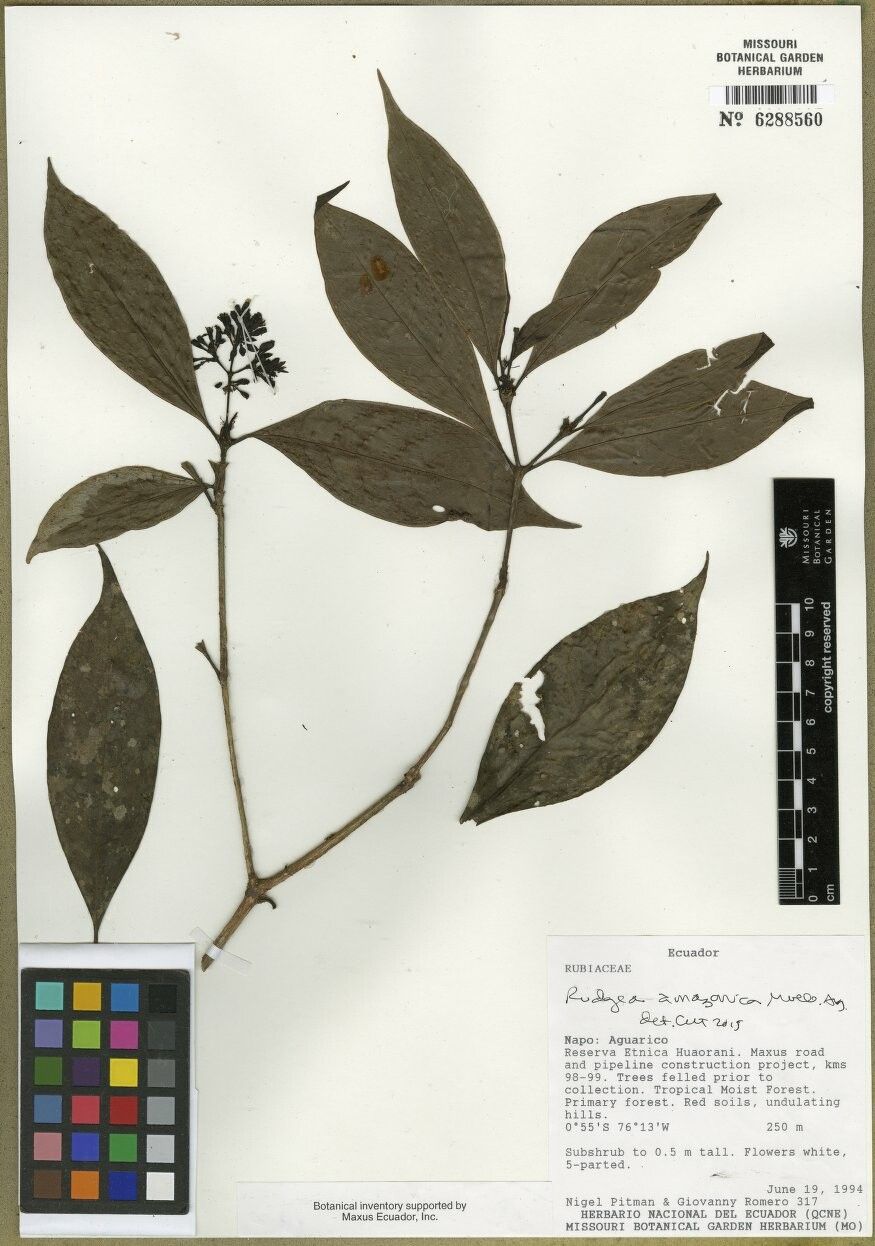
Hello, fellow garden enthusiasts! Today, we’re diving into the wonderful world of Rudgea amazonica. I’ve been growing and sharing plants for two decades now, and let me tell you, Rudgea amazonica holds a special place in my heart – and my greenhouse! Its glossy, dark green leaves and often beautiful, subtle blooms are a real treat. And the joy of creating more of these beauties from already established plants? It’s simply unparalleled.
Now, about propagation. Is Rudgea amazonica a breeze for complete beginners? I’d say it leans towards being moderately easy. It behaves well for those willing to pay a little attention, and the rewards are definitely worth the minor effort.
The Best Time to Start
For the highest chance of success, I always aim to propagate Rudgea amazonica during its active growing season. This typically falls in the late spring through early summer. The plant is putting out new growth, which means it’s more vigorous and has more energy to put into developing roots. You want to work with healthy, active stems.
Supplies You’ll Need
Here’s what you’ll want to have on hand before you get started:
- Sharp, clean pruning shears or a sharp knife: Sterilize them with rubbing alcohol beforehand!
- Rooting hormone (optional, but recommended): A good quality powder or gel can really speed things up.
- Well-draining potting mix: I prefer a mix of peat moss or coco coir, perlite, and a bit of coarse sand. Think airy!
- Small pots or containers: Clean ones are a must to prevent disease.
- Plastic bag or humidity dome: To keep cuttings moist while they root.
- Watering can with a fine rose: Gentle watering is key.
Propagation Methods
My go-to method for Rudgea amazonica is stem cuttings. It’s reliable and gives you the best chance of creating a healthy new plant.
- Take your cuttings: Select a healthy, non-flowering stem that’s about 4-6 inches long. Make your cut just below a leaf node. This is where the magic happens for root development. Remove the lower leaves, leaving just 2-3 on the top.
- Prepare the cutting: If you’re using rooting hormone, dip the cut end into it, tapping off any excess.
- Plant your cutting: Fill your clean pot with your well-draining potting mix. Make a small hole with your finger or a pencil. Gently insert the cut end of the Rudgea amazonica stem into the hole. Firm the soil gently around the base.
- Provide humidity: Water the soil lightly. Then, cover the pot with a plastic bag or a clear humidity dome. Make sure the leaves aren’t touching the sides of the bag, as this can encourage rot. You can use stakes to prop it up if needed.
- Find the right spot: Place the pot in a location with bright, indirect light. Avoid direct sun, which can scorch the delicate cuttings.
The “Secret Sauce” (Pro Tips)
After years of doing this, I’ve picked up a few little tricks that can make a big difference.
- Bottom heat is your friend: If you have a germination mat or a warm spot in your house (like near a radiator, but not on it!), placing your cuttings on it can significantly speed up root formation. Roots love warmth!
- Don’t overwater: This is crucial, especially with cuttings. The soil should be consistently moist, but never soggy. Too much water is the quickest way to invite rot, which is a fast track to losing your cutting. Check the moisture by gently poking your finger into the soil.
- Patience is a virtue (and rooting hormone helps!): While it might seem like nothing is happening for weeks, trust the process. If you’ve used rooting hormone, you’re already giving your cutting a good head start.
Aftercare & Troubleshooting
Once you start seeing new leaf growth emerge from your cutting, that’s a fantastic sign that roots are developing! You can gently tug on the cutting to feel for resistance. Once it feels firmly rooted, you can remove the plastic bag or humidity dome gradually. Start by removing it for a few hours each day, then leave it off completely.
The most common problem you’ll encounter is rot. If your cutting looks mushy, turns black, or has a foul smell, it’s likely rotted. This is usually due to overwatering or poor air circulation. If you catch it early, you might be able to salvage a healthy part of the stem if any exists, but often, it’s best to start fresh. If the leaves start to yellow and drop before any signs of rot, it might just be the plant adjusting or not getting enough light, but keep an eye out for that mushiness.
A Encouraging Closing
So there you have it! Propagating Rudgea amazonica is a truly rewarding endeavor. It takes a little patience and attention, but seeing those tiny new plants emerge is a thrill. Don’t be discouraged if your first attempt isn’t perfect – every gardener learns through trial and error. Just enjoy the process, celebrate your successes, and soon you’ll have a whole collection of your own little Rudgea amazonica beauties! Happy gardening!
Resource:
https://identify.plantnet.org/k-world-flora/species/Rudgea%20amazonica%20Müll.Arg./data