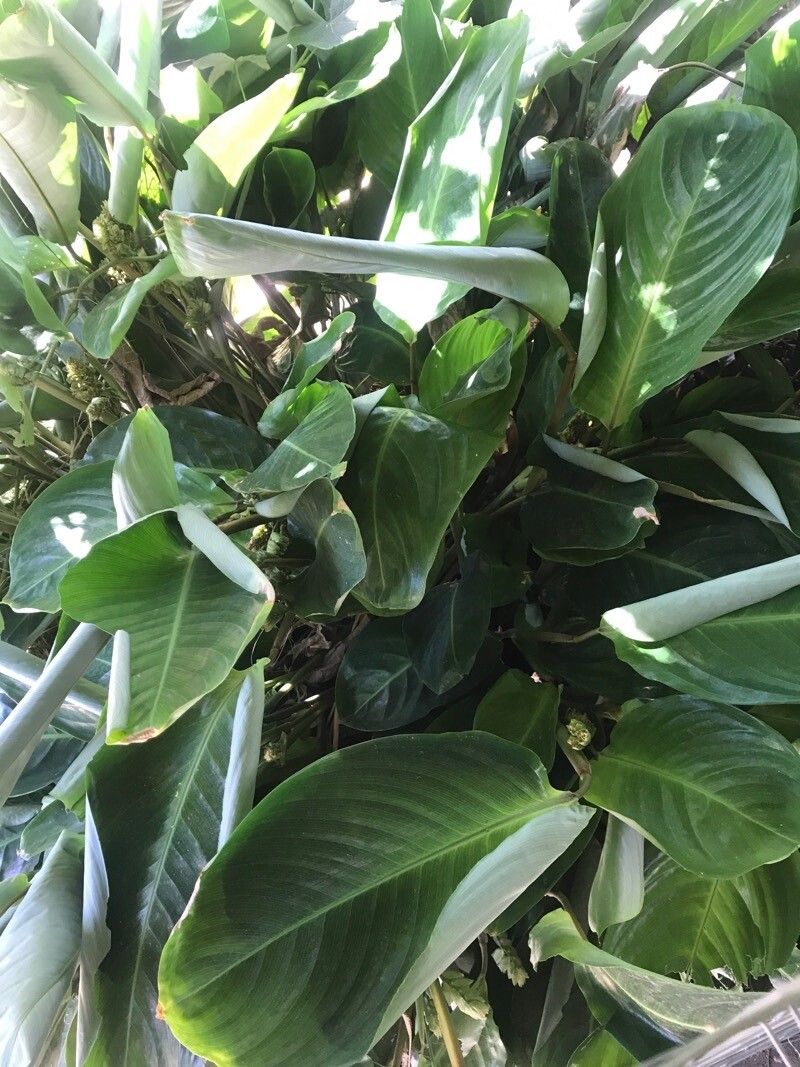
Hello fellow plant lovers! Today, we’re diving into the wonderful world of propagating Goeppertia brasiliensis, also known as Prayer Plants or Marantas. If you’re smitten with their gorgeous, patterned leaves and their habit of folding them up at night like praying hands, you’re in for a treat. Getting more of these beauties for yourself or to share is a truly rewarding experience. Don’t worry if you’re new to this; while they can be a tad particular, I find Marantas quite manageable, even for beginners aiming to expand their collection.
The Best Time to Start
When it comes to Marantas, spring and early summer are your golden ticket. This is when the plant is actively growing, meaning it has the energy reserves to bounce back from propagation and dedicate resources to rooting. You want to propagate from a healthy, established plant that isn’t stressed or showing signs of dormancy. Think of it as catching them at their most vigorous!
Supplies You’ll Need
Gathering your supplies is half the battle won. Here’s what you’ll want on hand:
- Sharp, clean pruning shears or a knife: Sterilize them with rubbing alcohol before you start to prevent disease.
- Well-draining potting mix: A good blend for tropicals is ideal. I often use a mix of peat moss, perlite, and a bit of orchid bark.
- Small pots or propagation trays: Whatever you have available, as long as they have drainage holes.
- Rooting hormone (optional but helpful): A powdered form is easy to use.
- Plastic bag or humidity dome: To keep humidity levels high.
- Misting bottle with filtered water: Tap water can sometimes be harsh.
- Patience! This is the most important tool of all.
Propagation Methods
Marantas are primarily propagated by division, which is my go-to method for them. They tend to form clumps, and separating these clumps is an effective way to create new plants.
Division:
- Gently remove the plant from its pot. If it’s really root-bound, you might need to gently squeeze the sides of the pot or run a knife around the edge.
- Inspect the root ball. You’re looking for distinct sections or crowns that show signs of separate growth.
- Carefully tease apart the root ball. You can use your fingers, or if it’s very dense, a clean trowel or even a chopstick can help. The goal is to separate the plant into smaller sections, each with its own roots and at least one healthy stem or leaf. Avoid yanking or forcing; be as gentle as possible.
- If a division is very large and difficult to separate cleanly, you can use your sterilized pruning shears to cut through the roots. Just make sure each section has adequate roots attached.
- Pot up your divisions. Use your well-draining potting mix. Plant each division at the same depth it was previously growing.
- Water gently. Water until you see some draining from the bottom of the pot.
- Create a humid environment. Place the potted divisions inside a clear plastic bag or cover them with a humidity dome. Ensure the leaves do not touch the sides of the bag; if they do, prop it up with stakes or gently trim any offending leaves.
The “Secret Sauce” (Pro Tips)
Here are a few little tricks I’ve picked up over the years that make a big difference:
- Don’t overwater, even in the humidity dome. While they love humidity, soggy soil is the fastest way to rot those precious new roots. Let the top inch of soil dry out slightly between waterings.
- Bottom heat is a game-changer. If you have a heat mat designed for seedlings, placing your potted divisions on it can significantly speed up root development. Marantas are tropical, and a little warmth from below encourages them to get going.
- Be patient with leaf unfurling. Newly divided Marantas might look a bit shocked at first. Don’t panic if you don’t see new leaves popping up immediately. Once roots establish, they’ll start putting out new growth.
Aftercare & Troubleshooting
Once your divisions have started to show signs of new growth – meaning they’re pushing out new leaves or you can feel a gentle tug when you lightly try to pull them – they are officially new plants! You can gradually acclimate them to lower humidity by slowly opening the plastic bag or ventilation on your dome over a week or two. Continue to water them as you would an established Maranta, allowing the topsoil to dry slightly.
The most common issue you’ll encounter is rot. This usually happens from overwatering or poor drainage. If you see leaves turning yellow and mushy, or if the base of the stem feels soft and slimy, it’s a strong indicator of rot. Unfortunately, if rot sets in, it’s often difficult to save the plant. This is why good drainage and careful watering are so crucial.
A Little Encouragement to Finish
Propagating plants is a journey, not a race. Some divisions will take off like rockets, while others might take their sweet time. Don’t get discouraged if a few don’t make it. Each attempt is a learning opportunity. Enjoy the process, celebrate the new life you’ve created, and may your Maranta collection flourish! Happy propagating!
Resource: