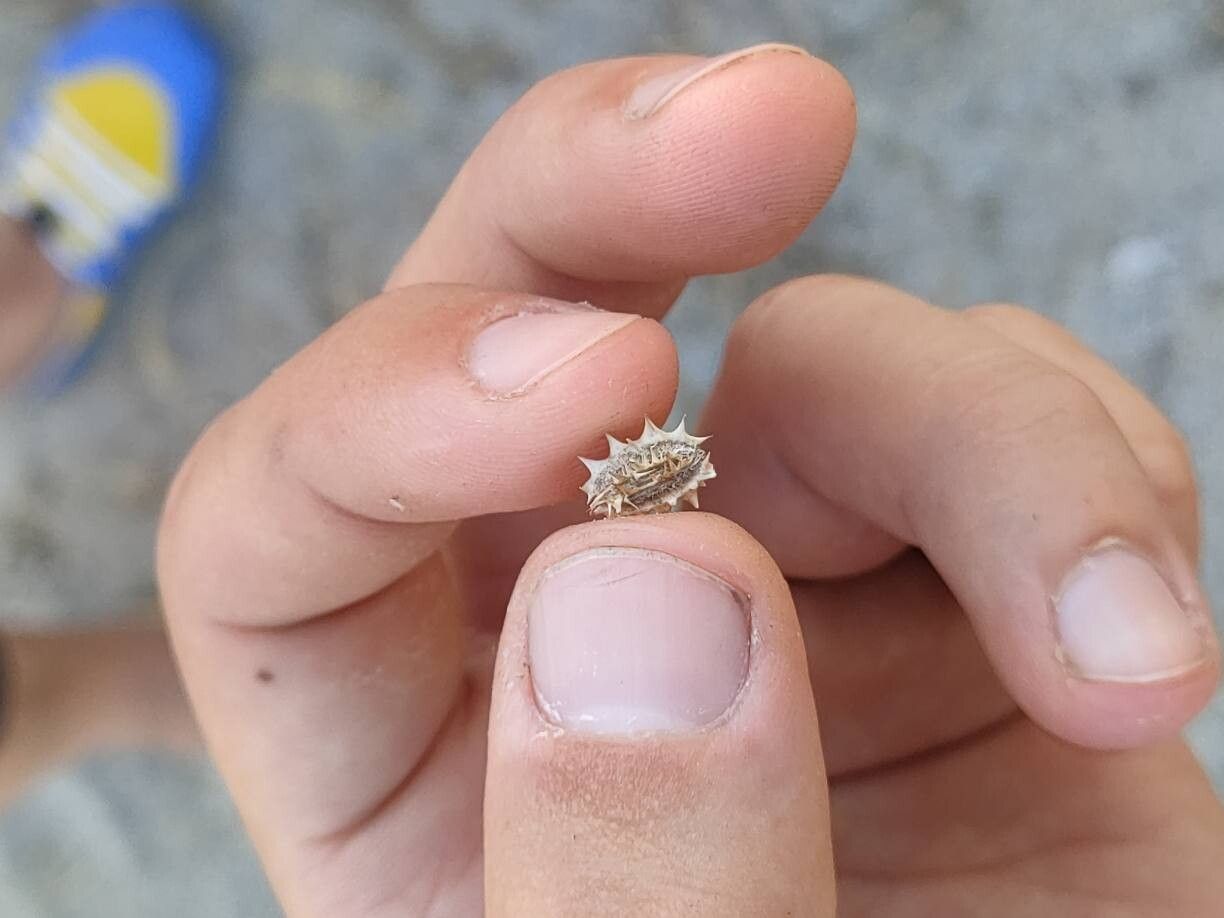
Hey there, fellow garden enthusiasts! Let’s chat about a plant that’s been stealing a little corner of my heart lately: Medicago turbinata. You might know it better by its common name, toothed bur-clover or sometimes medic. It’s a charming little annual legume, surprisingly tough and with these cute, coiled seed pods that look like tiny propellers. The appeal? It’s incredibly fast-growing, adds a lovely green groundcover, and those seed pods are just delightful to observe. Propagating it is, I’d say, a very beginner-friendly endeavor. You’ll be rewarded with a whole lot more greenery without breaking the bank!
The Best Time to Start
For Medicago turbinata, the sweet spot for propagation is typically late winter to early spring. Think February or March, depending on your climate. This timing coincides with when the parent plant is actively producing viable seeds, and it gives your new little plants a good head start to establish before the heat of summer. If you’re working with cuttings from a mature plant, you can usually take them during its active growth phase, which also leans towards the cooler, wetter parts of the year.
Supplies You’ll Need
Gathering your tools is half the fun, isn’t it? For Medicago turbinata, you won’t need anything too fancy:
- Seeds: Of course! Make sure they’re fresh from a reputable source or collected from a healthy plant.
- Seed Starting Mix: A good quality, well-draining mix is crucial. Avoid heavy garden soil that can compact and suffocate tiny roots.
- Small Pots or Seed Trays: Clean containers with drainage holes are essential.
- Watering Can with a Fine Rose: Gentle watering prevents dislodging delicate seeds and seedlings.
- Gloves: Optional, but nice for keeping hands clean.
- Labeling Stakes or Markers: To keep track of what you’ve planted and when.
- Clear Plastic Dome or Bag: To maintain humidity around your seeds or cuttings.
- Optional: Rooting Hormone: While not strictly necessary for Medicago turbinata from seed, it can give cuttings a little boost.
Propagation Methods
Let’s get our hands dirty!
1. From Seed: The Easiest Route
This is by far the most straightforward way to propagate Medicago turbinata.
- Prepare Your Containers: Fill your seed trays or small pots with your seed starting mix, leaving about a half-inch of space at the top. Gently water the mix until it’s evenly moist, but not waterlogged.
- Sow the Seeds: Medicago turbinata seeds are relatively small. You can sow them individually, about 1/4 inch deep, spacing them a couple of inches apart in trays or one per small pot. If you’re sowing in trays, sow a few seeds per cell; you can thin them later if they all germinate.
- Cover and Water: Lightly cover the seeds with more seed starting mix. Give them another gentle watering.
- Provide Humidity: Cover the pots or trays with a clear plastic dome or a plastic bag. This creates a mini-greenhouse effect, keeping the soil consistently moist and encouraging germination.
- Find the Right Spot: Place your covered containers in a bright location, but out of direct, intense sunlight. A sunny windowsill is usually perfect.
- Be Patient! Germination typically happens within 5 to 14 days. Once you see little green shoots emerging, remove the plastic cover to allow for better air circulation.
2. From Cuttings (for faster flowering or replicating specific traits)
While less common for this particular plant since it’s so easy from seed, you can try stem cuttings if you have a vigorous parent plant.
- Take Cuttings: In late spring or early summer, take healthy, non-flowering shoots from the parent plant. Use clean, sharp pruners to make a cut just below a leaf node (where a leaf attaches to the stem). Aim for cuttings about 4-6 inches long.
- Prepare the Cutting: Gently remove the lower leaves, leaving just a few at the top. If using rooting hormone, dip the cut end into it.
- Plant the Cutting: Fill a small pot with a well-draining, perlite-rich potting mix. Make a small hole with a pencil or stick, and insert the cut end of the stem. Firm the soil gently around it.
- Water and Cover: Water thoroughly and cover the pot with a clear plastic bag, ensuring the leaves don’t touch the plastic.
- Provide Warmth and Light: Place the pot in a bright spot with indirect light. You can also provide a little extra warmth from the bottom using a heat mat if you have one.
- Check for Roots: This can take 2-6 weeks. You’ll know roots have formed when you see new leaf growth and gently tugging resistance.
The “Secret Sauce” (Pro Tips)
Here are a couple of my little secrets for Medicago turbinata success:
- Scarify those Seeds! Some legume seeds can be a bit tough to crack open. For Medicago turbinata, a light scarification can really speed up germination. You can do this by gently nicking the seed coat with a fingernail or a sharp knife, or by rubbing them lightly on a piece of sandpaper. Just be careful not to damage the embryo inside. Alternatively, you can soak them in warm water for 12-24 hours before sowing.
- Don’t Overcrowd: It’s tempting to pack seeds in close, especially in small trays. But giving your seedlings a bit of breathing room from the start prevents competition for light and nutrients, and reduces the risk of fungal diseases. Thinning out weak seedlings also ensures that the strongest ones get the best chance to thrive.
Aftercare & Troubleshooting
Once your little Medicago turbinata seedlings have emerged and developed a few sets of true leaves, you can start to gradually acclimate them to lower humidity by lifting the plastic cover for longer periods each day. If you sowed directly into larger pots, you can leave them. If they’re in seed trays, you’ll eventually want to transplant them into individual pots or directly into their final garden spot once they’re sturdy enough.
Keep the soil consistently moist but not soggy. Overwatering is the most common culprit for seedling demise. Look out for:
- Damping Off: This fungal disease causes seedlings to rot at the soil line, appearing to wilt suddenly. Good air circulation and avoiding overly wet conditions are your best defenses.
- Yellowing Leaves: This often indicates a lack of light or a nutrient deficiency. If they’re getting enough sun, a very diluted liquid fertilizer might help.
- Leggy Seedlings: If your seedlings are stretching tall and thin, they’re not getting enough light. Move them to a brighter spot immediately.
A Encouraging Closing
There you have it! Propagating Medicago turbinata is a wonderfully rewarding way to expand your garden. Remember, nature has a beautiful rhythm, and patience is truly a gardener’s best friend. Don’t get discouraged if every seed doesn’t sprout or every cutting doesn’t root. Just keep learning, keep trying, and most importantly, enjoy the process of nurturing new life. Happy gardening!
Resource:
https://identify.plantnet.org/k-world-flora/species/Medicago%20turbinata%20(L.)%20All./data