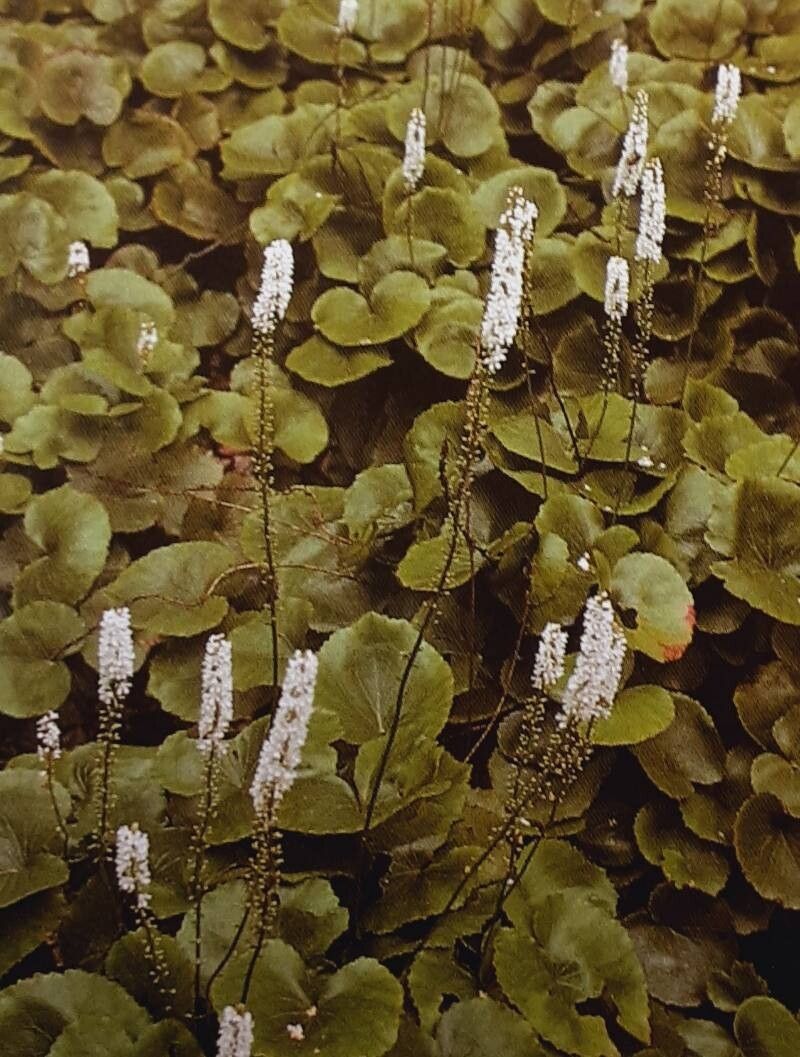
Oh, Galax urceolata! If you’ve ever admired its glossy, heart-shaped leaves in a shady woodland garden, you know just how special it is. It’s like a little piece of evergreen magic, bringing a touch of elegance even when everything else is snoozing under snow. And the best part? You can easily bring that magic into your own garden by propagating it. Now, I wouldn’t say Galax is a super beginner-friendly plant to start with, but with a little patience and the right steps, you’ll be rewarded with a whole new cluster of these beauties. It’s a truly satisfying feeling, watching something you’ve nurtured grow and thrive.
The Best Time to Start
For Galax, late spring to early summer is usually your golden window. This is when the plant is actively growing, and the new shoots have a good chance of striking root. You’re looking for those young, non-woody stems that are still flexible. Avoid trying to propagate from old, woody material; it’s just not going to work as well.
Supplies You’ll Need
Gathering your tools beforehand makes the whole process much smoother. Here’s what I recommend:
- Sharp Pruning Shears or a Craft Knife: For clean cuts.
- Rooting Hormone (Optional, but helpful): A powder or gel form works well.
- A Well-Draining Potting Mix: I like a blend of equal parts peat moss, perlite, and a bit of coarse sand. Avoid heavy garden soil.
- Small Pots or Trays: Clean ones are a must to prevent disease.
- Plastic Bags or a Clear Cloche: To maintain humidity.
- Water: For misting and watering.
Propagation Methods: Stem Cuttings
This is usually the most successful route for Galax. Let’s get our hands dirty!
- Take Your Cuttings: In late spring or early summer, select healthy, non-flowering stems. Using your sharp shears, cut pieces about 3-4 inches long. Make the cut just below a leaf node (where a leaf attaches to the stem).
- Prepare the Cuttings: Gently remove the lower leaves from the cutting, leaving just the top couple of leaves. If the leaves are very large, you can even cut them in half horizontally to reduce water loss.
- Apply Rooting Hormone (If Using): Dip the cut end of each stem into the rooting hormone powder or gel. Tap off any excess.
- Plant the Cuttings: Fill your clean pots or trays with your prepared potting mix. Make a small hole in the soil with your finger or a pencil. Insert the cut end of each Galax cutting into the hole, pushing the soil gently around it to secure it. Make sure the leaf nodes that are now buried are where the roots will form.
- Water Gently: Water the soil thoroughly but avoid washing away the cuttings.
The “Secret Sauce”
Here are a couple of tricks I’ve learned over the years that make a big difference:
- Humidity is Key: Galax loves consistent moisture, but not soggy feet. Once planted, I always cover my pots with a plastic bag or a clear cloche. This creates a mini-greenhouse effect, keeping the humidity high around the cuttings. Just be sure to poke a few small holes in the bag or lift the cloche daily for a few minutes to allow for air circulation and prevent fungal issues.
- Bottom Heat (Optional, but Wonderful): If you have it, placing your pots on a heating mat can really speed up root development. It encourages the roots to grow from the bottom up, which is exactly what you want.
Aftercare & Troubleshooting
Once your Galax cuttings are planted, the trick is to keep things consistently moist but not waterlogged.
- Light: Place the pots in a bright, indirect light location. Avoid direct sun, which can scorch those tender young leaves.
- Watering: Mist the leaves regularly if they aren’t covered. Check the soil moisture by gently poking your finger in. It should feel damp but not soggy.
- Roots Appear: You’ll know your cuttings have rooted when you see new leaf growth or feel a gentle resistance when you give a cutting a very light tug. This can take anywhere from 4 to 8 weeks, sometimes longer. Be patient!
- Troubleshooting Rot: The most common problem is rot. If you see your cuttings turning black and mushy, it’s a sign of too much moisture and not enough air circulation. If this happens, try to remove the affected cuttings immediately and ensure you’re allowing more airflow. Sometimes, just letting the soil dry out a tiny bit more between waterings can solve it.
Taking cuttings can feel a little nerve-wracking at first, but it’s such a rewarding way to expand your collection. My best advice is to enjoy the process, observe your cuttings, and be patient. Nature works on its own timeline, and you’ll find that with a little care and attention, you’ll soon have your very own Galax babies. Happy propagating!
Resource:
https://identify.plantnet.org/k-world-flora/species/Galax%20urceolata%20(Poir.)%20Brummitt/data