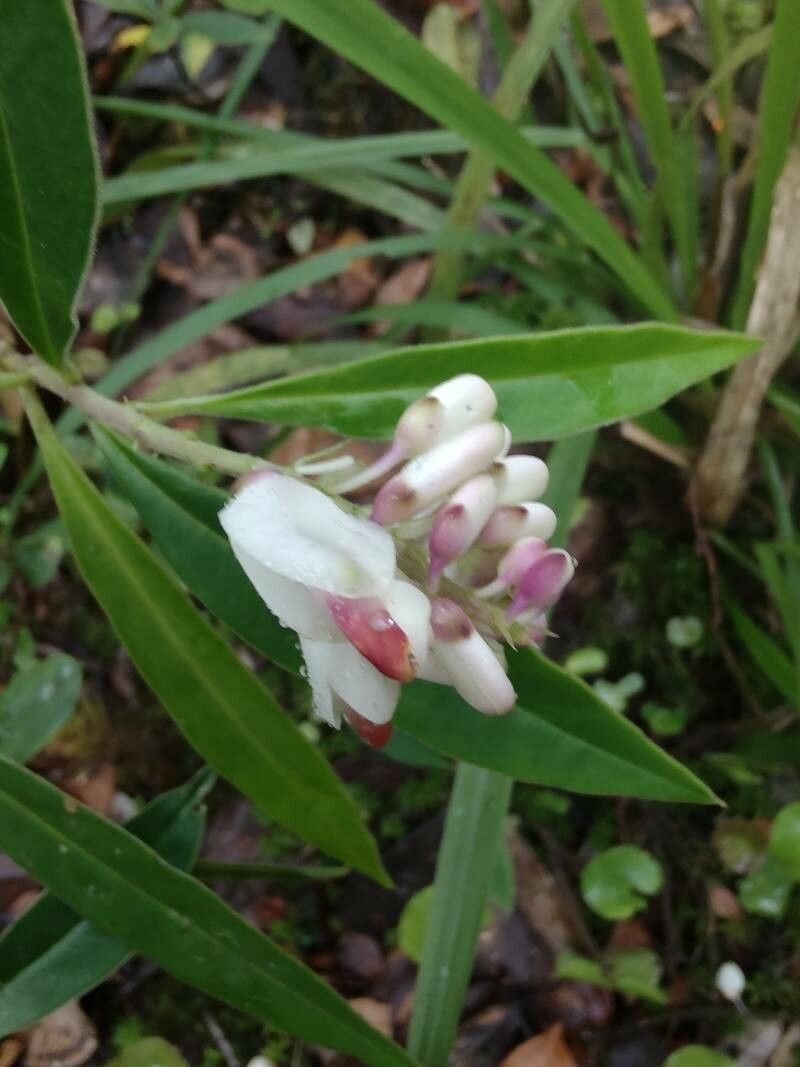
Oh, hello there! Come on in, pull up a chair. Let’s talk about Camellia salicifolia. I’ve been growing these beauties for years, and honestly, there’s just something so elegant about their delicate, willow-like leaves and those charming little blooms. They whisper of quiet mornings and refined beauty, don’t they?
Propagating Camellia salicifolia can feel a little like a special treat. You get to create more of that serene magic for yourself, and maybe even share it with friends. Now, for the beginners out there, I’d say it’s somewhere in the middle. Not a “set it and forget it” kind of plant, but with a little attention and the right approach, you’ll absolutely be successful. Don’t let that deter you!
The Best Time to Start
For Camellia salicifolia, the most successful cuttings are taken from new growth. Think late spring through summer, when the plant is actively putting out those soft, supple shoots. These are much more forgiving and willing to root than the old, woody stems. You want that vibrant, youthful energy!
Supplies You’ll Need
Here’s what I always have on hand when I’m starting new Camellia salicifolia plants:
- Sharp, clean pruning shears or a razor blade: Cleanliness is key to preventing disease.
- Potting mix: A well-draining mix is crucial. I often use a blend of peat moss, perlite, and a little bit of horticultural charcoal. You can also find specialized camellia or azalea potting mixes.
- Small pots or trays: Clean ones are a must!
- Rooting hormone (optional but recommended): A powder or gel will give your cuttings a good boost.
- Plastic bags or a propagator: To create a humid environment.
- Watering can with a fine rose or spray bottle: For gentle watering.
- A small trowel or dibber: To make holes for your cuttings.
- Labels: Trust me, you’ll thank yourself later!
Propagation Methods
Let’s get our hands dirty! The most reliable way to propagate Camellia salicifolia is through stem cuttings.
- Select Your Cuttings: Look for healthy, semi-hardwood stems. These are the ones from this year’s growth that have started to firm up but aren’t completely woody. You’re aiming for pieces about 4-6 inches long.
- Make the Cut: Using your sharp shears, make a clean cut just below a leaf node. This is the little bump where a leaf attaches to the stem – it’s where roots are most likely to form. Remove any flowers or buds; they steal energy from root development.
- Prepare the Cutting: Gently remove the lower leaves, leaving just the top 2-3. This reduces water loss and makes it easier to handle.
- Apply Rooting Hormone (if using): Dip the cut end of the stem into the rooting hormone powder or gel, tapping off any excess. This step isn’t strictly necessary, but it really does give them a helping hand.
- Plant Your Cuttings: Fill your small pots with your prepared potting mix. Make a hole with your trowel or dibber, then gently insert the cuttings so the lowest leaf node is buried in the soil. Firm the soil gently around the stem.
- Create Humidity: Water the soil lightly. Then, I like to cover the pot with a clear plastic bag, secured with a rubber band, or place it in a propagator. This traps moisture and creates that humid microclimate cuttings crave. Make sure the leaves don’t touch the plastic if possible – that can lead to rot.
- Placement: Put the pots in a bright location out of direct sunlight. A shady spot is perfect.
The “Secret Sauce” (Pro Tips)
Here are a few little tricks I’ve learned over the years that can really make a difference:
- Bottom Heat! If you have it, a propagator mat set to a gentle warmth (around 70-75°F or 21-24°C) can dramatically speed up root development. It’s like a cozy little spa for your cuttings.
- Don’t Overwater: This is a big one. Cuttings want moisture, but soggy soil is an invitation for rot. Let the surface of the soil dry out slightly between waterings. You can also mist the leaves occasionally, but let the soil breathe.
- Be Patient with the Leaves: If you see a leaf starting to droop or wilt a bit, resist the urge to overcompensate with a huge watering. Often, it’s just adjusting to its new environment. Focus on keeping the soil consistently moist, not wet.
Aftercare & Troubleshooting
Once your cuttings have developed roots, you’ll start to see signs of new growth. This usually takes anywhere from 4-8 weeks, sometimes longer. You can gently tug on a cutting; if there’s resistance, you’ve got roots!
- Gradual Acclimation: When you see good root development, you can gradually acclimate your new plants to less humid conditions. Start by opening the bag for a few hours each day, then remove it completely.
- Repotting: Once they’re strong enough, pot them up into slightly larger containers with fresh, well-draining soil.
- Troubleshooting: The most common issue is rot, usually caused by too much moisture and poor drainage. Cuttings will turn black and mushy. If you see this, unfortunately, it’s best to discard them to prevent spread. Another sign of failure is if they just shrivel and dry out – this often means they didn’t get enough humidity or sufficient watering.
A Little Encouragement to Finish
So there you have it! Propagating Camellia salicifolia is a journey, and like all good garden adventures, it requires a sprinkle of patience and a good dose of hope. Don’t worry if not every cutting makes it – that’s part of the process. Celebrate the successes, learn from any setbacks, and most importantly, enjoy the satisfaction of creating new life. Happy propagating!
Resource: