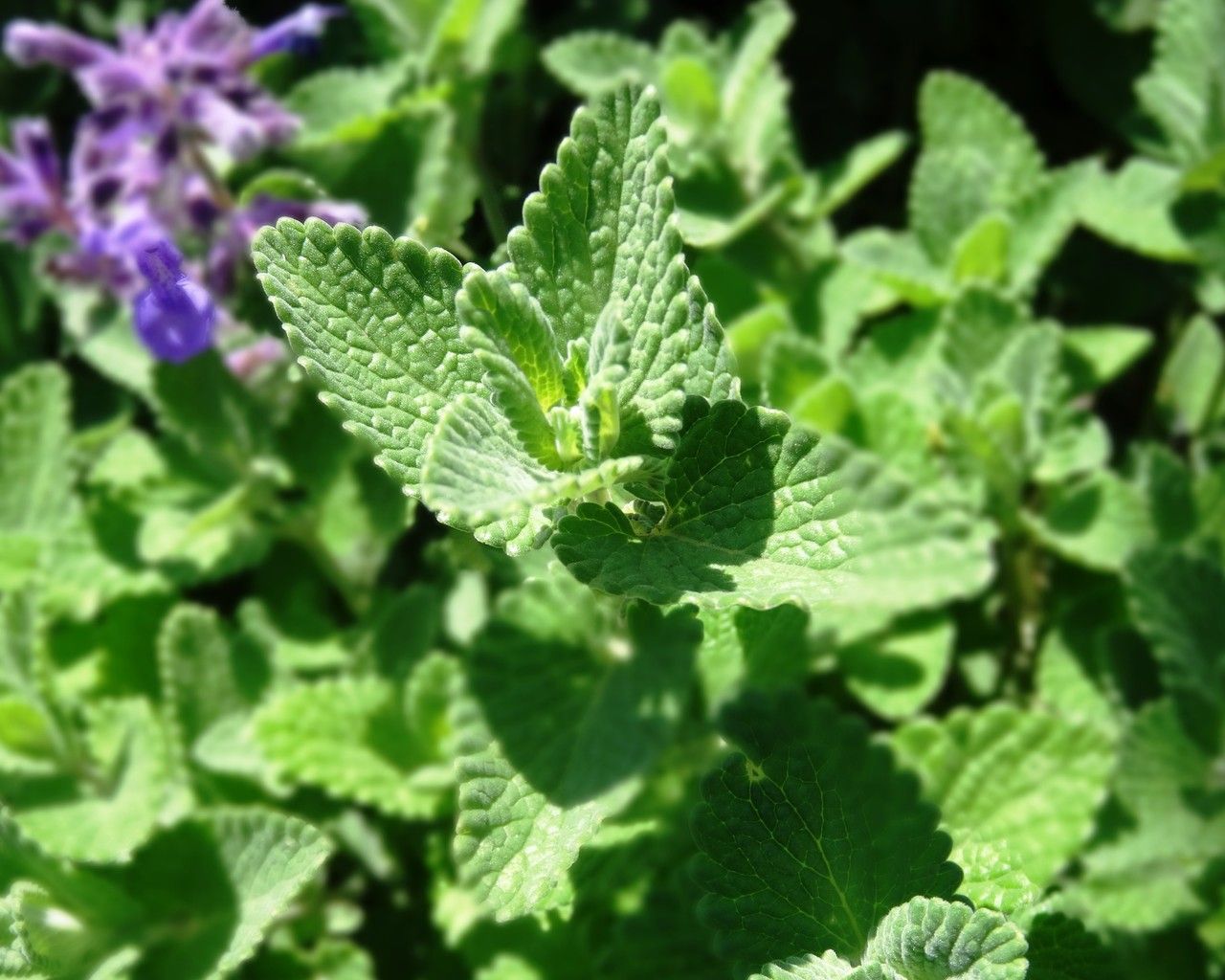
Oh Nepeta latifolia! What a joy this plant is. You know, I’ve been growing gardens for two decades now, and I keep coming back to the Nepetas. The fragrant foliage, those lovely spikes of lavender-blue flowers that hummingbirds and bees just adore – it’s a garden staple for a reason. And the best part? Propagating it is wonderfully rewarding, and honestly, quite doable even for folks just starting to get their fingernails dirty. I’d say it’s a beginner-friendly plant for propagation, which is fantastic!
The Best Time to Start
For most Nepetas, including latifolia, the sweet spot for propagation is late spring or early summer. This is when the plant is actively growing and has plenty of vibrant, new stem growth. You want to catch it before it starts to get heavily woody, that soft, pliable new growth is your best friend here.
Supplies You’ll Need
Gathering your tools before you begin makes the whole process so much smoother. Here’s what I usually have on hand:
- Sharp pruning shears or a clean, sharp knife: For making clean cuts.
- A good potting mix: I prefer a light, well-draining mix. A blend of peat moss and perlite, or specifically formulated seed-starting mix works beautifully.
- Small pots or seed trays: With drainage holes, of course!
- Rooting hormone (optional but recommended): A powder or gel can give your cuttings a real boost.
- A spray bottle: For misting.
- Plastic bags or a propagation dome: To create a humid environment.
- Labels: So you don’t forget what you’ve planted!
Propagation Methods
Nepeta latifolia is quite amenable to a few different propagation techniques. I find stem cuttings to be the easiest and most reliable.
Stem Cuttings
- Take your cuttings: On a mild morning (after the dew has dried), select healthy, non-flowering stems that are about 4-6 inches long. Using your sharp shears or knife, make a clean cut just below a leaf node (where the leaves attach to the stem). Remove the lower leaves from the cutting, leaving only the top 2-3 sets.
- Dip in rooting hormone (if using): Gently dip the cut end of the stem into your rooting hormone, tapping off any excess.
- Plant your cuttings: Fill your small pots or seed trays with your well-draining potting mix that’s been moistened. Make a small hole in the center of the mix with your finger or a pencil.
- Insert the cuttings: Place the cut end of the stem into the hole, then gently firm the soil around it. Make sure at least one leaf node is below the soil surface, as this is where roots will emerge.
- Create humidity: Water the soil gently. Then, cover the pots with a plastic bag or a propagation dome to maintain high humidity. If using a bag, you can prop it up with skewers or sticks so it doesn’t touch the leaves.
- Place them in a bright spot: Find a location that gets bright, indirect light. Avoid direct sun, which can scorch the delicate cuttings.
Water Propagation
If you’re feeling adventurous, Nepeta can also root in water!
- Prepare your cuttings: Follow step 1 from the stem cutting method to take your cuttings.
- Place in water: Fill a clean jar or glass with lukewarm water. Submerge the bottom 1-2 inches of the cutting, ensuring that no leaves are submerged. Leaves in the water will rot and can sicken the entire cutting.
- Find a good spot: Place the jar in a location with bright, indirect light.
- Change the water: Change the water every few days to keep it fresh. You’ll start to see little white roots emerging from the nodes within a couple of weeks.
The “Secret Sauce” (Pro Tips)
Here are a couple of things I’ve learned over the years that really make a difference:
- Bottom heat is a game-changer: If you can, place your pots on a heat mat designed for seedlings. This gentle warmth encourages root development from below without drying out the top growth. It’s like giving them a cozy little incubator!
- Don’t be afraid to fertilize (later): While you don’t want to fertilize the cuttings immediately, once they’ve established a good root system and show new growth, a very dilute liquid fertilizer can give them a nice boost. Think of it as a gentle pat on the back for a job well done.
Aftercare & Troubleshooting
Once you see new growth on your cuttings, it’s a good sign that roots have formed! You can gently tug on a cutting – if there’s resistance, roots are likely established.
- Acclimatize them: Slowly start to acclimatize your new plants to normal humidity. Remove the plastic bag or propagation dome for increasing periods each day over a week or so.
- Pot them up: Once they have a decent root system (you might see roots poking out the drainage holes), you can pot them up into slightly larger containers with your regular potting mix.
- Watering: Keep young plants consistently moist but not waterlogged.
- Troubleshooting: The most common issue you’ll encounter is rot, often caused by overwatering or poor drainage. If a cutting looks limp and mushy, or you see fuzzy mold, it’s usually a sign of rot. Unfortunately, these are usually lost causes, so don’t get discouraged! Just start fresh with new cuttings. Sometimes, cuttings just fail to root; this can be due to the stem being too old, not enough humidity, or simply not being a viable cutting.
A Warm Farewell
Don’t worry if not every single cutting makes it. Gardening is a process of learning and experimenting! Be patient, enjoy the quiet satisfaction of nurturing these new little lives, and soon you’ll have a whole host of fragrant, beautiful Nepeta latifolia to share with your garden and your friends. Happy propagating!
Resource:
https://identify.plantnet.org/k-world-flora/species/Nepeta%20latifolia%20DC./data