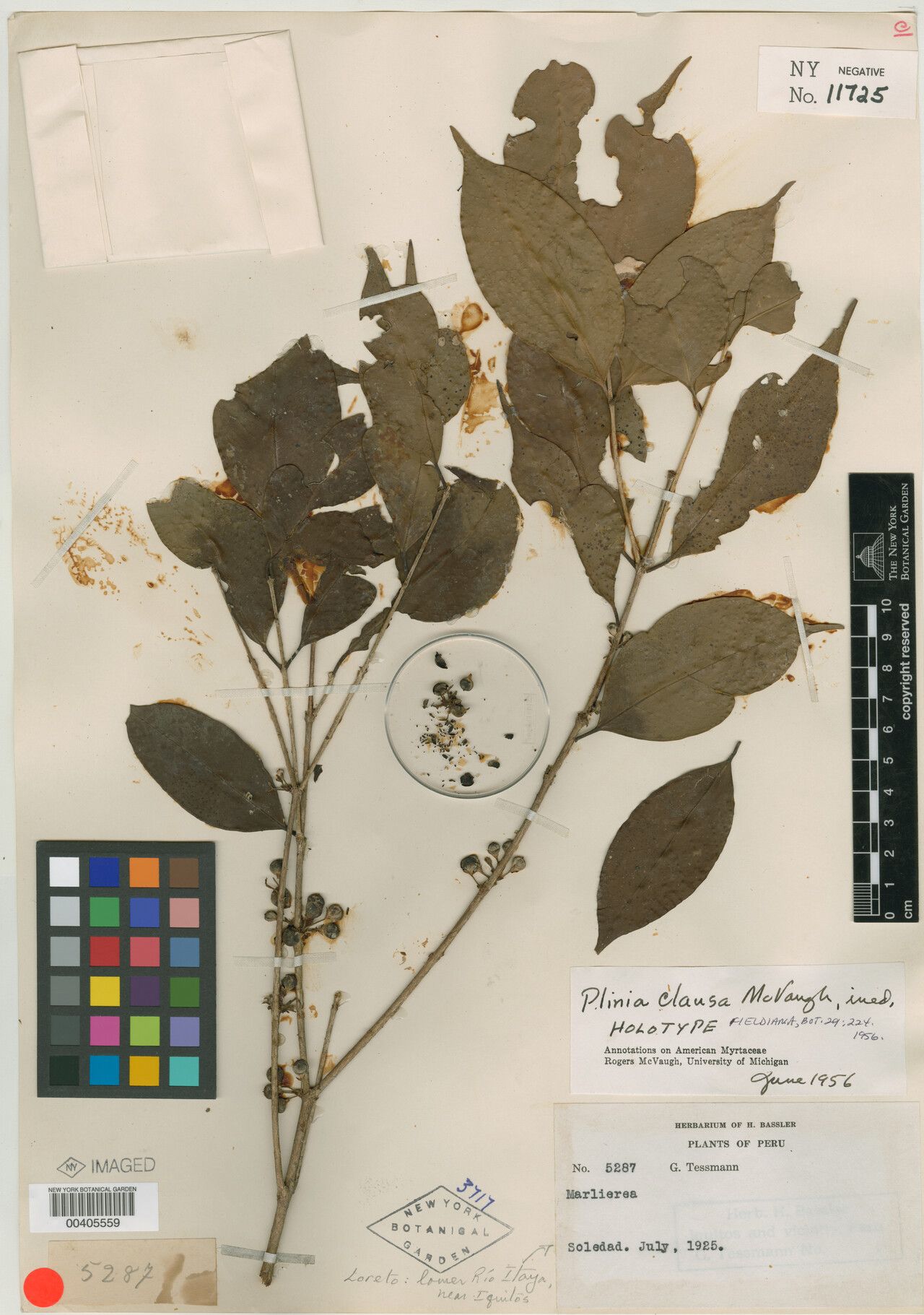
Hello, fellow plant lovers! So glad you’ve stopped by for a chat. Today, we’re diving into the wonderful world of Plinia clausa. If you’re drawn to its lush foliage and the promise of a truly unique addition to your collection, you’re in for a treat. And the best part? Growing new plants from your existing ones is incredibly satisfying. It’s like creating little miracles right in your own home!
Now, is Plinia clausa a walk in the park for absolute beginners? Honestly, it can be a little bit of a fussy plant when it comes to propagation. But don’t let that daunt you! With a bit of patience and following these steps, you’ll be well on your way to success. The rewards of seeing a tiny cutting unfurl its first new leaf are absolutely worth the effort.
The Best Time to Start
When it comes to Plinia clausa, spring and early summer are your golden ticket. This is when the plant is actively growing and has the most energy to put into developing roots. Look for new, semi-hardwood growth. This means the stems are no longer completely soft and bendy, but they aren’t yet hard and woody either. They should snap cleanly when bent, not just bend over.
Supplies You’ll Need
Gathering your supplies beforehand makes the whole process so much smoother. Here’s what I always have on hand:
- Sterile pruning shears or a sharp knife: Cleanliness is key to preventing disease.
- Rooting hormone (powder or gel): This really gives your cuttings a boost.
- Well-draining potting mix: A good blend is 50% perlite and 50% peat moss or coco coir. Some growers swear by adding a bit of orchid bark for extra aeration.
- Small pots or propagation trays: Make sure they have drainage holes!
- Clear plastic bags or a propagation dome: This creates a humid microclimate.
- Water mister: For keeping humidity levels up.
- Optional: Bottom heat mat: This can significantly speed up root development.
Propagation Methods: Stem Cuttings
Stem cuttings are my go-to for Plinia clausa. Here’s how I do it:
- Take Your Cuttings: On a bright, active growing day (not during a heatwave!), select a healthy stem. Using your sterilized shears, make a clean cut just below a leaf node (where a leaf attaches to the stem). Aim for cuttings that are about 4-6 inches long and have at least two sets of leaves.
- Prepare the Cuttings: Gently remove the lower leaves, leaving just the top couple of sets. If the remaining leaves are very large, you can cut them in half horizontally. This reduces water loss through transpiration.
- Apply Rooting Hormone: Dip the cut end of the stem into your rooting hormone, ensuring it’s coated about an inch up from the base. Tap off any excess.
- Plant the Cuttings: Make a small hole in your potting mix with a pencil or your finger. Insert the prepared cutting, ensuring the lowest leaf nodes are below the soil surface. Gently firm the soil around the stem.
- Create the Humid Environment: Water the soil lightly until it’s evenly moist, but not soggy. Cover the pot with a clear plastic bag (propped up with a stick so it doesn’t touch the leaves) or place it inside a propagation dome.
The “Secret Sauce” (Pro Tips)
Here are a few things I’ve learned over the years that make a big difference:
- The “Tap Water” Test: Before rooting hormone, I sometimes dip the cut end in lukewarm water for a minute and then let it air dry for a few minutes. I find this can help the rooting hormone adhere a little better. It’s a small thing, but I’ve seen a difference.
- Bottom Heat is Your Friend: Plinia clausa absolutely L-O-V-E-S warmth from below. Placing your pots on a bottom heat mat set to around 75-80°F (24-27°C) is like giving your cuttings a cozy spa treatment. It really encourages root formation and speeds things up considerably.
- Don’t Be Afraid to Experiment (Slightly): While I stick to semi-hardwood cuttings, some folks have had success with even softer cuttings in extremely high humidity. Just remember, the softer the cutting, the more susceptible it is to rot, so monitor closely!
Aftercare & Troubleshooting
Once your cuttings are planted, the real waiting game begins. Keep the potting mix consistently moist, like a wrung-out sponge. Mist the leaves daily if you’re not using a dome, or every few days if you are. Place them in bright, indirect light. Avoid direct sun, which can scorch those tender new leaves.
You’ll know your cutting is happy when you see new leaf growth. This usually takes anywhere from 4 to 12 weeks, sometimes longer. To check for roots, give the cutting a gentle tug. If you feel resistance, you’ve got roots!
Now, what if things go wrong? The most common issue is rot. If the stem turns black and mushy at the soil line, or the leaves start yellowing and falling off rapidly, it’s likely rot. This is usually caused by overwatering and poor air circulation. If you see signs of rot, unfortunately, that cutting is likely a goner. Remove it immediately to prevent it from spreading. Sometimes, just reducing watering frequency and ensuring good airflow can help save a struggling cutting.
A Encouraging Closing
Propagating Plinia clausa can be a journey of learning and a little bit of trial and error. But honestly, that’s part of the fun, isn’t it? Being observant, trying different things, and celebrating those small victories. Be patient with your little green babies, give them consistent care, and you’ll soon be rewarded with new plants to admire and share. Happy propagating!
Resource:
https://identify.plantnet.org/k-world-flora/species/Plinia%20clausa%20McVaugh/data