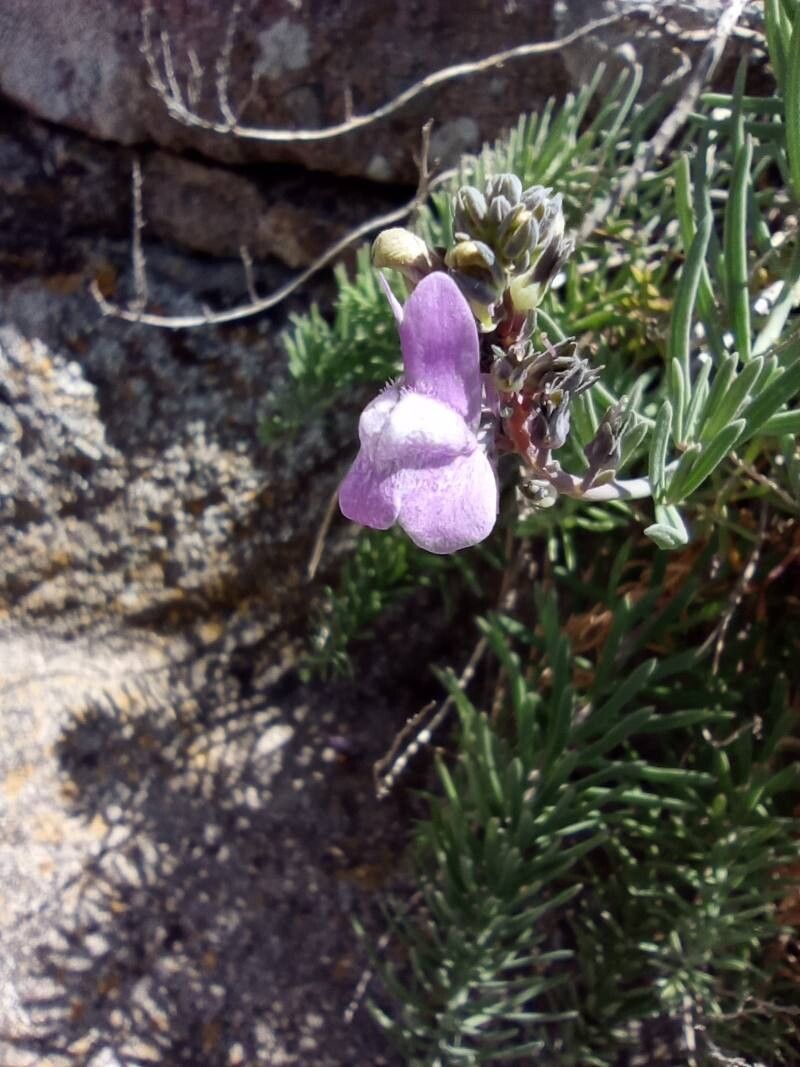
Hey there, fellow plant lovers! Have you ever spotted those delicate, airy sprays of Linaria capraria and thought, “Wow, I wish I had more of that in my garden”? I know I have! This little charmer, with its tiny snapdragon-like flowers and rambling habit, brings such a lovely, almost whimsical touch wherever it grows. And the best part? It’s not nearly as tricky to propagate as you might think. In fact, I’d say it’s a fantastic candidate, even for those of you just dipping your toes into the world of garden cloning. Getting more of these beauties yourself is incredibly satisfying, letting you fill beds, pots, or even share with friends.
The Best Time to Start
Honestly, the sweet spot for propagating Linaria capraria is usually late spring or early summer. That’s when the plant is actively growing and has plenty of energy stored up. You’re looking for healthy, new growth – not the woody old stems, but those vibrant, flexible shoots. They’re just begging to be made into new plants!
Supplies You’ll Need
Before we get our hands dirty, let’s gather our goodies:
- Sharp, clean pruning shears or snips: For making nice, clean cuts.
- Seedling trays or small pots: Whatever you have handy for getting those new babies started.
- A good quality potting mix: I like a mix that’s well-draining, perhaps with perlite or vermiculite added.
- Rooting hormone (optional but helpful): A little boost can speed things up.
- A spray bottle: For keeping things nicely humid.
- Plastic bags or a propagator lid: To create a mini greenhouse effect.
- A source of bright, indirect light: No harsh sun for these little ones!
Propagation Methods
My favorite way to multiply Linaria capraria is through stem cuttings. It’s straightforward and yields great results.
- Take Your Cuttings: Look for healthy, non-flowering shoots that are about 4-6 inches long. With your clean snips, cut just below a leaf node. This is the little bump where a leaf attaches to the stem – this is where the magic of root formation happens!
- Prepare the Cuttings: Gently remove the lower leaves from your cutting, leaving just a few at the very top. This helps the plant focus its energy on rooting rather than supporting all those leaves.
- Apply Rooting Hormone (if using): Dip the cut end of the stem into your rooting hormone. Tap off any excess.
- Pot Them Up: Fill your small pots or trays with your well-draining potting mix. Make a small hole with your finger or a pencil. Gently insert the cutting into the hole, ensuring the leaf nodes you cleared are below the soil surface. Firm the soil around the stem.
- Water and Cover: Water the pot gently until the soil is moist but not waterlogged. Then, cover the pot with a plastic bag or a propagator lid to create a humid environment.
The “Secret Sauce” (Pro Tips)
Here are a few things I’ve learned over the years that really seem to give these cuttings a leg up:
- Don’t Let Those Leaves Touch the Water: If you happen to be trying water propagation (which can work but I find stem cuttings more reliable for Linaria capraria), make sure the leaves are above the water line. Any submerged leaves are just inviting rot.
- Bottom Heat is Your Friend: If you have a seedling heat mat, pop your pots on it. A little gentle warmth from below really encourages those roots to get going. It’s not essential, but it certainly speeds things up!
- Patience is Key (and Practice Makes Perfect!): Sometimes you’ll get rooting in a few weeks, other times it might take a couple of months. Don’t get discouraged if it takes a while. Keep them in good conditions and trust the process.
Aftercare & Troubleshooting
Once your little cuttings show signs of life – usually a gentle tug will reveal they’re anchored, or you might even see tiny new leaves emerging – it’s time for them to graduate to a bit more independence. Gradually remove the plastic cover over a few days to acclimate them to normal humidity. Continue to keep the soil consistently moist but not soggy.
The most common issue you’ll encounter is rot. If a cutting turns mushy and black, it’s likely succumbed to too much moisture or poor drainage. Don’t be too hard on yourself; it happens to the best of us! Just remove the affected cutting and check your watering habits for the others. Sometimes, if the air is too dry, the cuttings might start to crisp up. That’s where that spray bottle and humidity cover come in handy!
A Little Encouragement
So there you have it! Propagating Linaria capraria is a wonderful way to expand your garden and connect with the plants you love. Be patient with your little ones, give them a nurturing environment, and you’ll soon be rewarded with more of those delightful blooms. Happy propagating!
Resource:
https://identify.plantnet.org/k-world-flora/species/Linaria%20capraria%20Moris%20&%20De%20Not./data