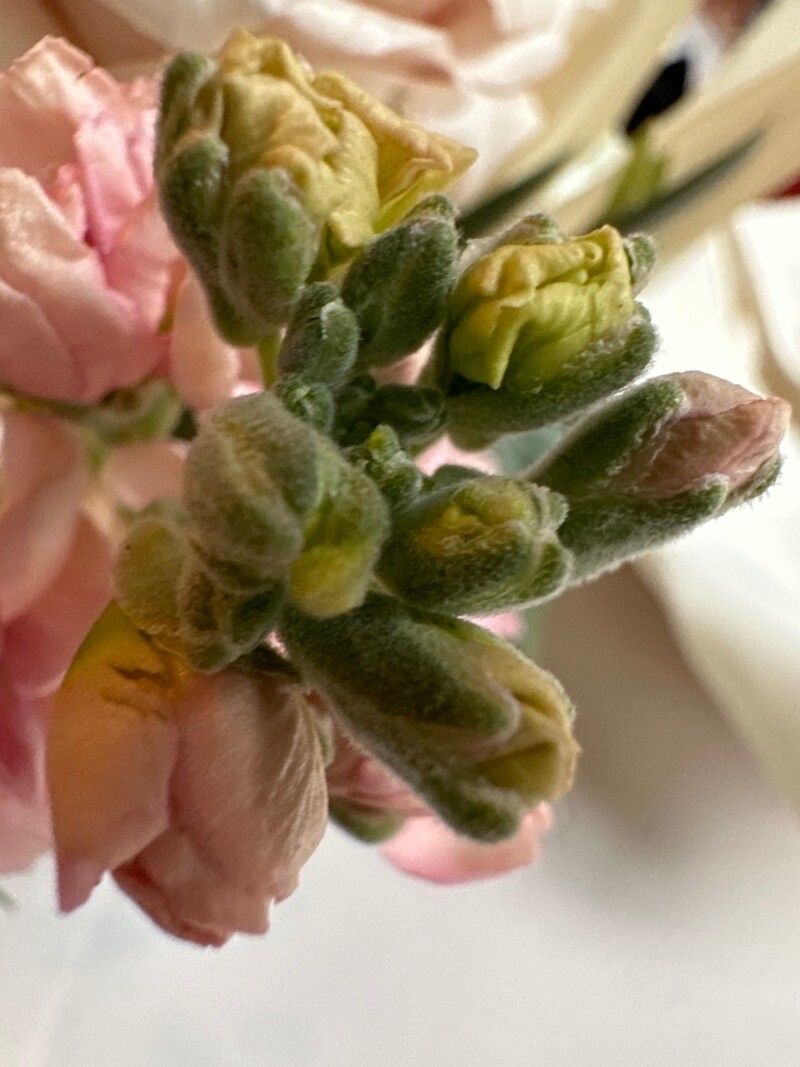
Oh, the humble Grayia spinosa, or Spiny Greasewood! Isn’t it just a marvel? With its silvery-gray foliage and surprising pops of red in the fall, this desert native brings a touch of understated elegance to any garden, especially those aiming for a more xeric (water-wise) feel. Plus, as someone who’s spent years coaxing life from cuttings, I can tell you, successfully propagating a plant like this offers a special kind of garden joy. It’s like creating a whole new family from one parent plant! For beginners, I’d say Grayia spinosa is moderately easy. It’s not as quick to root as some softer plants, but with a little patience, you’ll be rewarded.
The Best Time to Start
For Grayia spinosa, late spring to early summer is your sweet spot. This is when the plant is actively growing and has plenty of energy to invest in creating new roots. You’ll want to take cuttings from stems that are mature but not woody. Think firm, but still pliable – like a well-seasoned asparagus spear. Avoid taking cuttings from brand new, floppy growth or from old, super-hard wood.
Supplies You’ll Need
Here’s what I keep on hand when I’m ready to propagate:
- Sharp, clean pruning shears or a sharp knife: A clean cut is crucial to prevent disease. I like bypass pruners for this.
- Rooting hormone: While not strictly essential for all plants, it really gives Grayia spinosa a boost and can significantly improve your success rate. A powder form is usually easiest.
- Well-draining potting mix: This is non-negotiable for desert plants! I use a blend of 50% potting soil and 50% coarse perlite or pumice. You can also buy specific cactus and succulent mixes.
- Small pots or propagation trays: They don’t need to be large, just enough to hold the soil and the cutting. Terra cotta pots are great because they breathe.
- Plastic bags or a clear propagation dome: To create a humid microclimate around your cuttings.
- Watering can or spray bottle: For gently moistening the soil.
- Labels and a marker: To keep track of what you’ve planted and when!
- Bottom heat (optional but recommended): A seedling heat mat can really speed up root development.
Propagation Methods: Stem Cuttings
This is my go-to method for Grayia spinosa. It’s effective and allows you to create multiple new plants from a single parent.
- Take Your Cuttings: Using your clean shears or knife, take a stem cutting that is about 4-6 inches long. Make the cut just below a leaf node (where a leaf attaches to the stem).
- Prepare the Cuttings: Gently remove the leaves from the bottom half of the cutting. You want a clean stem to insert into the soil. If your cutting has any flowers or developing seeds, pinch them off. Energy is best directed towards root growth.
- Apply Rooting Hormone: Dip the cut end of the stem into your rooting hormone. Tap off any excess. This creates a nice coating to encourage rooting.
- Plant the Cuttings: Fill your small pots or trays with your well-draining mix. Moisten the mix thoroughly but don’t make it soggy. Make a pilot hole with a pencil or skewer and then gently insert the prepared cutting. Ensure the leaf nodes are covered by the soil.
- Create Humidity: Water gently to settle the soil around the cuttings. Then, cover the pots loosely with a plastic bag or place them under a propagation dome. This traps moisture and mimics the humid environment cuttings need to survive before they develop roots.
- Provide Light and Warmth: Place the pots in a bright location, but out of direct, harsh sunlight. Too much sun will scorch the tender cuttings. If you have a heat mat, place the pots on top of it.
The “Secret Sauce”
Here are a few little tricks I’ve learned over the years that can make all the difference:
- Don’t Over-Water, but Don’t Let Them Dry Out: This is a delicate balance. The soil should feel consistently moist, but never waterlogged. I usually check the moisture by feeling the weight of the pot or gently poking my finger into the soil. If it feels dry a half-inch down, it’s time for a light watering.
- Air Circulation is Key: While we want humidity, we also don’t want stagnant air, which can lead to rot. Open the plastic bag or ventilation on your dome for an hour or so each day to allow for some air exchange. This helps prevent fungal issues.
- Patience is More Than a Virtue; It’s a Requirement: Grayia spinosa isn’t the fastest rooter. Don’t be discouraged if you don’t see new growth or feel resistance when you gently tug on a cutting for several weeks. I often wait 8-12 weeks before I’m confident they’ve rooted and are ready for a higher level of care.
Aftercare & Troubleshooting
Once you start to see tiny leaves emerging or feel a gentle tug when you very lightly pull on a cutting, that’s a good sign roots are forming!
- Gradual Acclimation: Begin to gradually reduce the humidity. Remove the plastic bag for longer periods each day. Once they seem stable, you can remove the cover completely.
- Transition to More Light: As they grow stronger, you can move them to a spot with a bit more dappled sunlight.
- First Potting Up: When the roots are well-established and filling the pot, it’s time to move them into slightly larger pots with fresh, well-draining potting mix.
Now, what if things go wrong? The most common culprit is rot. If your cuttings turn mushy and black, or develop soft, discolored spots, it’s usually due to too much moisture and poor air circulation. Unfortunately, once rot sets in, it’s very difficult to save the cutting. If you see this, it’s best to discard the affected material, clean your pots thoroughly, and start again, paying closer attention to watering and airflow. Sometimes, a cutting just doesn’t take – that’s part of the propagation game, and it’s okay!
So, give it a whirl! Propagating Grayia spinosa is a wonderful way to extend the beauty of this plant in your garden. Be patient, pay attention to its needs, and enjoy the rewarding process of nurturing new life. Happy gardening!
Resource:
https://identify.plantnet.org/k-world-flora/species/Grayia%20spinosa%20(Hook.)%20Moq./data