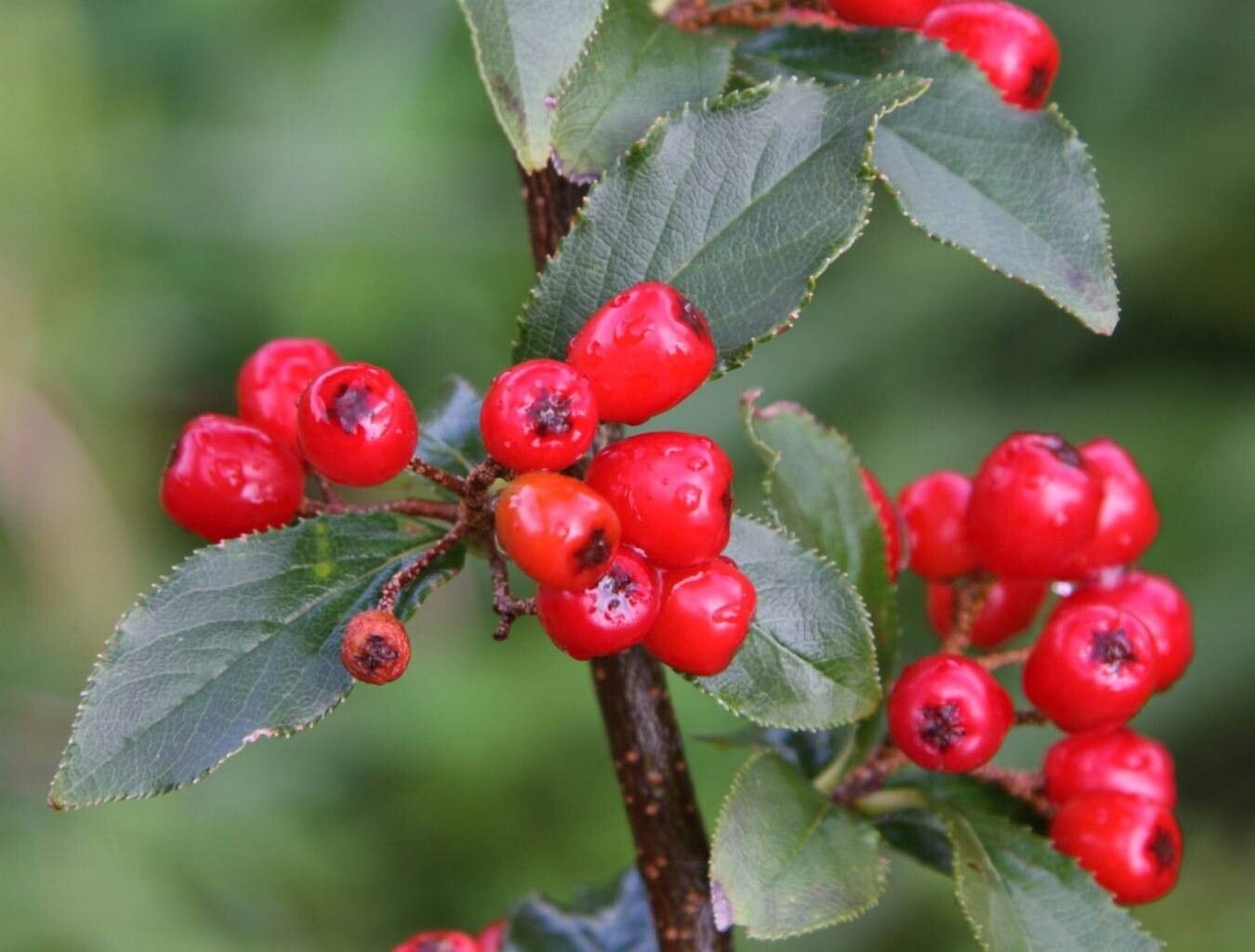
Hello, fellow plant enthusiasts! I’m so excited to chat with you today about one of my favorite under-the-radar beauties: Pourthiaea villosa, often known as Chinese Fothergilla or hairy Fothergilla. If you’re drawn to plants with a lovely, fuzzy quality and a habit of putting on a spectacular show of autumn color, then this shrub is for you! Propagating it is a wonderful way to expand your garden or share its charm with friends. And the best part? It’s a pretty forgiving plant to work with, making it a rewarding project even for those new to the world of plant propagation.
When to Get Your Hands Dirty: The Best Time to Start
For the most successful cuttings, I always aim for late spring to early summer. This is when the plant is actively growing, and those semi-hardwood stems, which are neither too soft nor too woody, are just perfect for rooting. You want stems that have started to firm up but are still flexible. Think of it as the plant being in its prime – full of energy and ready to show off!
Your Propagation Toolkit: What You’ll Need
Gathering your supplies beforehand makes the whole process smoother. Here’s what I always have on hand:
- Sharp Pruning Shears or a Knife: Essential for clean cuts. Dull tools can damage the stem and invite disease.
- Rooting Hormone: While not strictly mandatory, it can significantly boost your success rate. I prefer a powdered formulation.
- Potting Mix: A well-draining mix is crucial. I often use a 50/50 blend of seed-starting mix and perlite. This ensures good aeration and prevents waterlogging.
- Small Pots or Trays: Clean containers with drainage holes are a must.
- Plastic Bags or a Clear Dome: To create a humid environment for your cuttings.
- Watering Can or Spray Bottle: For gentle watering.
- Labels and a Marker: To keep track of what you’ve propagated and when!
Bringing New Beauty to Life: Propagation Methods
The most reliable way to propagate Pourthiaea villosa is through stem cuttings. It’s straightforward and yields great results.
- Select Your Cuttings: Look for healthy, vigorous stems that are about 4-6 inches long. As I mentioned, the sweet spot is that semi-hardwood stage – firm enough to hold its shape but still bendy. It’s a good idea to take a few more cuttings than you think you’ll need, as nature always has a way of surprising us!
- Make the Cut: Using your sharp shears or knife, make a clean cut just below a leaf node. This is the point where a leaf attaches to the stem, and it’s where roots are most likely to form. Remove the lower leaves, leaving just a few at the very top.
- Apply Rooting Hormone: Dip the cut end of the stem into your rooting hormone, tapping off any excess. This prickly bit is important!
- Plant Your Cuttings: Fill your pots or trays with your prepared potting mix. Make a small hole with your finger or a pencil, and gently insert the cutting, firming the soil around it. Make sure not a single leaf touches the soil surface.
- Create a Humid Haven: Water the soil gently, allowing excess to drain. Then, cover the pots with a plastic bag (propped up with stakes so it doesn’t touch the leaves) or place them under a clear plastic dome. This humidity is key for preventing the cuttings from drying out.
- Find the Perfect Spot: Place your potted cuttings in a bright location but out of direct sunlight. A spot on the windowsill that gets morning sun but is shaded in the afternoon is often ideal.
The “Secret Sauce”: My Insider Tips
After years of coaxing plants into existence, I’ve learned a few tricks that can make all the difference.
- Think “Bottom Heat”: If you have the means, placing your pots on a gentle heat mat can work wonders. Many plants root much faster and more successfully when their roots are kept slightly warmer than the air temperature. Just a low, consistent warmth is all you need.
- Rotate for Even Growth: It’s easy to forget about them once they’re tucked away, but gently rotating your pots every few days ensures that all sides of the cutting get equal light. This encourages more even root development and prevents the plant from leaning perpetually towards the light source.
Nurturing Your New Arrivals: Aftercare & Troubleshooting
Be patient! It can take anywhere from 4 to 8 weeks, sometimes longer, for your Pourthiaea villosa cuttings to develop a strong root system. You’ll know they’re ready to transplant when you gently tug on the cutting and feel resistance.
Keep the soil consistently moist but not soggy. The plastic cover helps maintain this, but check the moisture levels regularly. When you remove the plastic, you might notice a bit of wilting as the plant adjusts to drier air – this is normal.
What if things go wrong? The most common culprit is rot, characterized by a black, mushy stem. This is almost always due to overwatering and poor drainage. If you see this, unfortunately, that cutting is likely lost. The best prevention is a well-draining mix and careful watering. Another sign of stress is yellowing leaves, which can indicate too much direct sun or inconsistent watering.
Enjoy the Journey!
Propagating plants is a truly satisfying experience. It connects you to the natural world and rewards you with the joy of creation. Don’t be discouraged if not every cutting takes. Embrace the learning process, celebrate the successes, and most importantly, enjoy the quiet satisfaction of nurturing new life. Happy gardening!
Resource:
https://identify.plantnet.org/k-world-flora/species/Pourthiaea%20villosa%20(Thunb.)%20Decne./data