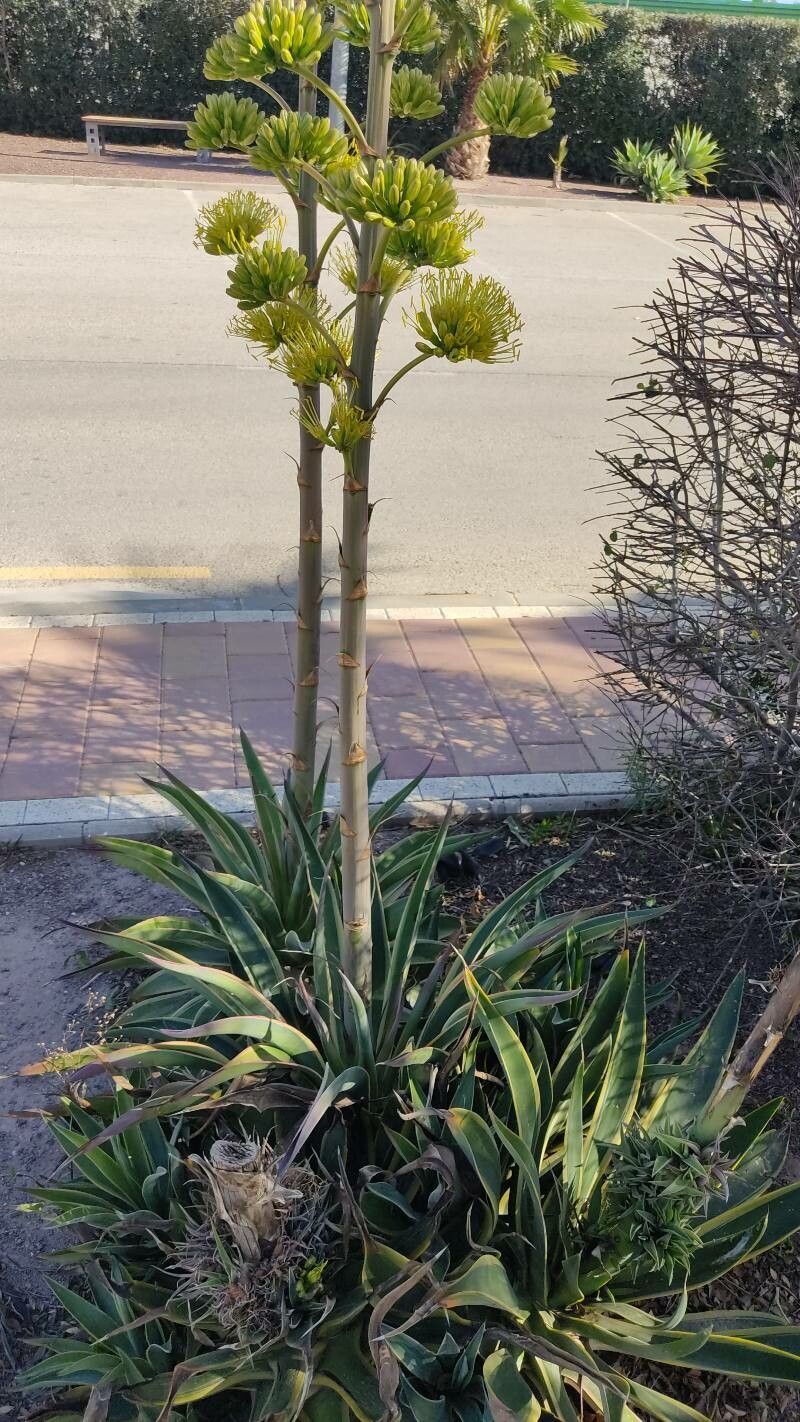
Oh, Agave deserti! What a magnificent plant. With those architectural rosettes and that stoic, desert charm, it’s no wonder so many of us are captivated by them. They bring a touch of the rugged Southwest right into our gardens or onto our patios. And the best part? They’re surprisingly generous. Propagating them can feel like a true horticultural accomplishment, and it’s a wonderful way to share these beauties with friends or simply expand your own collection without breaking the bank. For beginners, I’d say it’s moderately easy. A little patience and attention go a long way!
When to Get Your Hands Dirty
The sweet spot for propagating Agave deserti is generally during its active growing season. For most of us, this means late spring through summer. This is when the plant has ample energy to put into developing new roots. If you’re looking at a mature plant that’s starting to produce pups (those little baby agaves that sprout from the base), that’s a fantastic time to get to work.
Your Propagation Toolkit
Gathering the right supplies makes all the difference. Here’s what I always have on hand:
- Sharp, clean pruning shears or a sturdy knife: You need a tool that makes a clean cut to minimize damage and prevent disease.
- Rooting hormone (optional but recommended): This isn’t strictly essential for agaves, but it can give your cuttings a helpful boost. Get a powder or gel kind.
- Well-draining potting mix: I like a cactus and succulent mix. You can also make your own by combining potting soil with perlite or pumice (about a 50/50 ratio).
- Pots or containers: Small nursery pots, shallow trays, or even repurposed containers will work as long as they have drainage holes.
- Gloves: Some agaves have sharp tips, so protecting your hands is a good idea.
- Watering can or spray bottle: For light watering.
Bringing New Life: Propagation In Action
Agave deserti typically makes it easy by producing pups directly from the base of the mother plant. This is by far the most common and successful method.
Method: Division of Pups
- Wait for the pups to get some size: You want the pups to be at least a few inches in diameter and ideally have started to develop their own root system at the base. This usually happens when they’re about a quarter to a third of the size of the mother plant.
- Gently expose the base: Carefully dig around the base of the mother plant with your hands or a trowel to get a clear view of where the pups are attached.
- Make the cut: Using your sharp, clean pruning shears or knife, cut clean through the connection point between the pup and the mother plant. Try to get as much of the pup’s natural root base as possible. Don’t be afraid to get in there; a clean cut is better than tearing.
- Let it callous: This is a crucial step for agaves. Place the separated pup in a dry, shady spot for 2-5 days, or even up to a week. You want the cut end to callous over – it will look dry and hardened. This prevents rot from setting in when you plant it.
- Planting time: Fill your chosen pots with your well-draining potting mix. Make a small hole in the center and insert the calloused end of the pup. You can gently firm the soil around it. If you’re using rooting hormone, dip the calloused end into the powder or gel before planting.
- Initial watering: Do not water immediately after planting. Wait at least a week, then water very lightly. The goal is to encourage the pup to search for moisture, which will stimulate root growth.
My “Secret Sauce” for Success
Over the years, I’ve picked up a few tricks that seem to make a real difference.
- Don’t drown your babies: Agaves are desert plants, and overwatering is their biggest enemy, especially when they are trying to root. When you do water, let the soil dry out completely between waterings. This applies to the mother plant too!
- Consider a little warmth: If you’re propagating in a cooler period or indoors, placing your pots on a ürüme mat can provide gentle bottom heat. This little boost mimics the summer soil temperatures they love and can significantly speed up root development.
- Location, location, location: Once planted, give your pups a spot with bright, indirect light. Direct, scorching sun can be too harsh for a newly separated plant that hasn’t established roots yet.
Keeping Them Happy: Aftercare and Hiccups
Once roots have formed – you can gently tug on the pup, and it will feel secure, or you might even see some new leaf growth – you can start treating it much like a mature agave. Water only when the soil is dry to the touch. Gradually introduce it to more direct sunlight as it strengthens.
The most common issue you’ll encounter is rot. If you see a pup becoming mushy, yellowing excessively, or developing black spots, it’s likely from too much moisture. If you catch it early, you might be able to cut away the rotten parts, let the healthy section callous, and try planting again. It’s a bit of a gamble, but sometimes it works!
So go ahead, embrace your inner gardener! Propagating Agave deserti is a rewarding journey, and with these steps, you’re well on your way to success. Be patient, observe your little ones, and enjoy the process of bringing new life into your garden. Happy planting!
Resource:
https://identify.plantnet.org/k-world-flora/species/Agave%20deserti%20Engelm./data