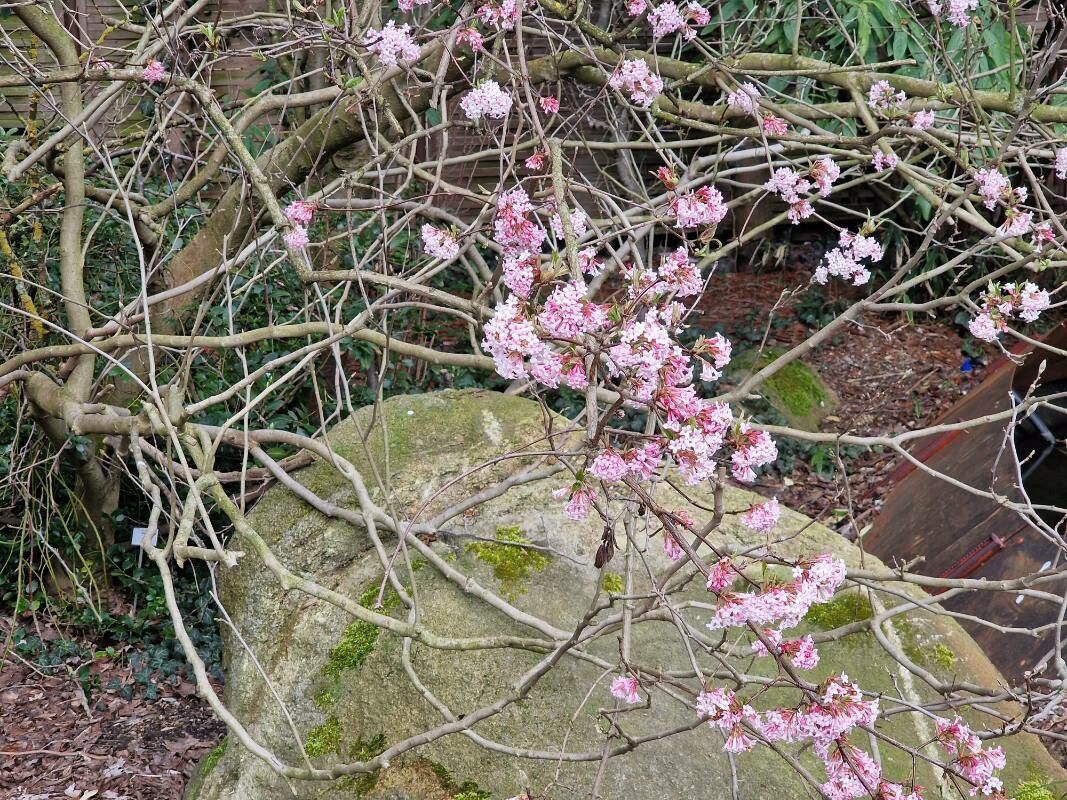
Oh, Viburnum grandiflorum! What a treat for the garden. If you’ve ever been captivated by its elegant white blooms, often appearing in the cooler months, or the way it softens any landscape with its graceful presence, you’re certainly not alone. I’ve spent years admiring this shrub, and let me tell you, coaxing a new life from an existing one is one of the most satisfying parts of gardening. Good news for those of you new to the propagation game: Viburnum grandiflorum is generally quite manageable, making it a wonderful plant to start your journey with.
The Best Time to Start
For the most hopeful results, I always reach for softwood cuttings in late spring to early summer. This is when the plant has put on new growth that’s pliable but not yet woody. Think of the new shoots – they’re still flexible. Waiting until the growth has had a bit of time to firm up a little, but hasn’t hardened off completely, is key.
Supplies You’ll Need
Here’s what I usually gather before I start:
- Sharp pruning shears or a clean, sharp knife: For making precise cuts.
- Rooting hormone (powder or gel): This is a great helper, though not always strictly necessary with Viburnums. It really gives cuttings a boost.
- Small pots or seed trays: With drainage holes, of course!
- A good potting mix: I like a blend of seed starting mix or a light, well-draining potting soil. Some gardeners swear by a 50/50 mix of peat moss and perlite, which works beautifully.
- A clear plastic bag or a propagator: To create a humid environment.
- A watering can with a fine rose attachment: For gentle watering.
- Labels and a marker: To keep track of your precious cuttings!
Propagation Methods: Stem Cuttings
This is my go-to method for Viburnum grandiflorum, and I find it yields the best success rates.
- Take Your Cuttings: On a cool, overcast morning is perfect. Look for healthy stems that haven’t flowered. Select shoots that are about 4-6 inches long. Make a clean cut just below a leaf node (where a leaf attaches to the stem). This is where the magic really happens for rooting.
- Prepare the Cuttings: Gently remove the lower leaves from the cutting, leaving just a few at the very top. This prevents them from rotting when they’re in the soil. If the leaves are quite large, you can even cut them in half to reduce water loss.
- Apply Rooting Hormone: Dip the cut end of the stem into your rooting hormone, tapping off any excess. This step isn’t always crucial for Viburnum, but it can definitely speed things up.
- Plant Your Cuttings: Make a small hole in your prepared potting mix with a pencil or your finger. Insert the cutting, ensuring the leaf nodes are below the soil surface. Gently firm the soil around it.
- Water and Cover: Water the pot gently. Then, place the pot inside a clear plastic bag or in a propagator. You want to create a mini-greenhouse effect to keep the humidity high. Make sure the leaves aren’t touching the plastic bag if possible.
The “Secret Sauce” (Pro Tips)
Here are a couple of things I’ve learned that make a real difference:
- Bottom Heat is Your Friend: If you have a propagation mat or can place your pots on top of a warm appliance (like a fridge, but not too hot!), this can really encourage roots to form faster. Viburnums appreciate a little warmth from below.
- Don’t Overwater, But Keep it Consistently Moist: This is a fine balance. While you need humidity, soggy soil will lead to rot. Check the moisture level of the soil regularly. If it feels dry to the touch, give it a gentle watering.
Aftercare & Troubleshooting
Once your cuttings are in their humid little homes, find a bright spot out of direct sunlight. Patience is your best friend here. It can take anywhere from 4 to 8 weeks, sometimes longer, for roots to develop. You’ll know they’re ready when you see new leaf growth, or if you gently tug on a cutting and feel resistance.
If you notice wilting or browning leaves, it could be a sign of too much sun or not enough moisture in the humid environment. Keep an eye out for mushy stems or mold, which usually indicates rot, often caused by overwatering or poor drainage. If you see rot, unfortunately, that cutting might be lost, but don’t get discouraged! Just move on to the next.
A Encouraging Closing
Watching those first tiny roots appear is such a thrill! Don’t be disheartened if not every cutting takes. Gardening is a journey of experimentation and learning. Celebrate each success, and remember that with a little care and a lot of patience, you’ll soon have a whole new generation of beautiful Viburnum grandiflorum to enjoy, or to share with fellow garden lovers. Happy propagating!
Resource:
https://identify.plantnet.org/k-world-flora/species/Viburnum%20grandiflorum%20Wall.%20ex%20DC./data