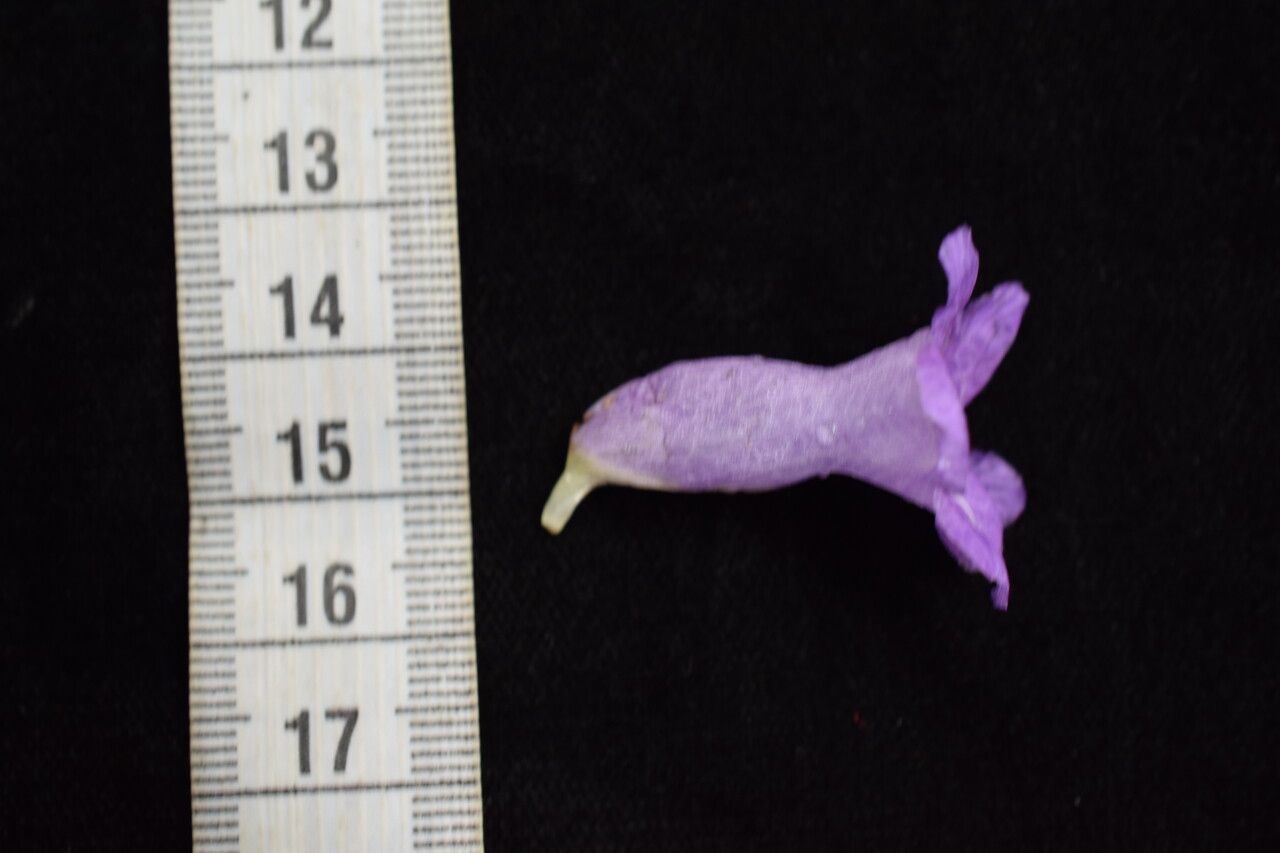
Oh, Strobilanthes saccata! If you’ve ever been captivated by its velvety leaves and those gorgeous, almost iridescent purple-blue flowers that pop out so surprisingly, then you’re in for a treat. Propagating this beauty is a fantastic way to fill your garden, share with friends, or just marvel at the magic of new life. And the good news? It’s not as daunting as you might think. For beginners, I’d say it’s moderately easy, with a little patience and the right approach.
The Best Time to Start
For Strobilanthes saccata, the sweet spot for propagation is usually late spring or early summer. This is when the plant is in its most vigorous growth phase. You’ll have plenty of healthy, new stems to work with, and the warmer temperatures will encourage faster rooting. Aim for stems that are actively growing but not yet woody.
Supplies You’ll Need
Gathering your tools beforehand makes the whole process much smoother. Here’s what I always have on hand:
- Sharp, clean pruning shears or a sharp knife: Essential for making clean cuts.
- Peat-free potting mix: A good quality, well-draining mix is key. I often add a bit of perlite or vermiculite for extra drainage.
- Small pots or trays: Clean pots or seedling trays work perfectly.
- Rooting hormone (optional but recommended): A little powdered rooting hormone can give your cuttings a significant boost.
- Plastic bag or propagator lid: To create a humid environment for your cuttings.
- Watering can with a fine rose: For gentle watering.
- Spray bottle: For misting.
Propagation Methods
I find stem cuttings to be the most reliable method for Strobilanthes saccata. It’s straightforward and yields great results.
Stem Cuttings:
- Select your cuttings: Look for healthy, non-flowering stems. You want pieces that are about 4-6 inches long.
- Make the cut: Using your clean shears or knife, take cuttings from the tip of a stem. Make the cut just below a leaf node (where a leaf attaches to the stem).
- Prepare the cuttings: Gently remove the lower leaves, leaving just a couple at the top. This is important – too many leaves will drain energy from the cutting as it tries to root.
- Apply rooting hormone (optional): Dip the cut end of the stem into your rooting hormone powder, tapping off any excess.
- Plant the cuttings: Fill your pots with the damp potting mix. Make a small hole in the center of the soil with your finger or a pencil. Gently insert the cut end of the stem into the hole, ensuring at least one leaf node is below the soil surface. Firm the soil gently around the stem.
- Water them in: Water your cuttings gently to settle the soil.
- Create humidity: Cover the pot with a clear plastic bag or propagator lid. This traps moisture and keeps the humidity high, which is crucial for discouraging wilting. Make sure the plastic doesn’t touch the leaves too much.
The “Secret Sauce” (Pro Tips)
Over the years, I’ve learned a few tricks that often make all the difference:
- Bottom heat is your friend: If you have a heated propagator or can place your pots on a heat mat, this can significantly speed up root development. Strobilanthes loves a bit of warmth from below.
- Don’t let those leaves touch the water (if using water propagation): While I primarily use soil for cuttings, some folks try water. If you do, make sure only the stem is submerged, and absolutely no leaves are in contact with the water. Leaves in water will rot, and that’s a sure way to lose your cutting.
- Patience with the dust bunnies: Sometimes, cuttings can look a bit sad and droopy for a while. Resist the urge to fuss too much. As long as the stem is still firm and hasn’t turned mushy, there’s hope!
Aftercare & Troubleshooting
Once your cuttings have started to show signs of rooting – usually a gentle tug will reveal some resistance, or you might see new leaf growth – it’s time to gradually introduce them to less humid conditions.
- Acclimatize them: Slowly lift the plastic bag for a few hours each day, then remove it completely over the course of a week.
- Watering: Keep the soil consistently moist but not waterlogged. Water when the top inch of soil feels dry to the touch.
- Light: Place your young plants in a bright spot out of direct, harsh sunlight. Too much sun can scorch delicate new growth.
The main thing to watch out for is rot. If your cuttings turn black and mushy at the base, or their leaves yellow and drop very quickly, it’s often a sign of too much moisture or not enough air circulation. Ensure your soil drains well, and don’t overwater.
A Encouraging Closing
And there you have it! Propagating Strobilanthes saccata is a journey worth taking. Be patient with your little ones, celebrate every bit of new growth, and don’t be discouraged if not every cutting makes it. Every gardener has the occasional setback! Just keep at it, and soon you’ll have a whole collection of these wonderful plants. Happy propagating!
Resource:
https://identify.plantnet.org/k-world-flora/species/Strobilanthes%20saccata%20J.R.I.Wood/data