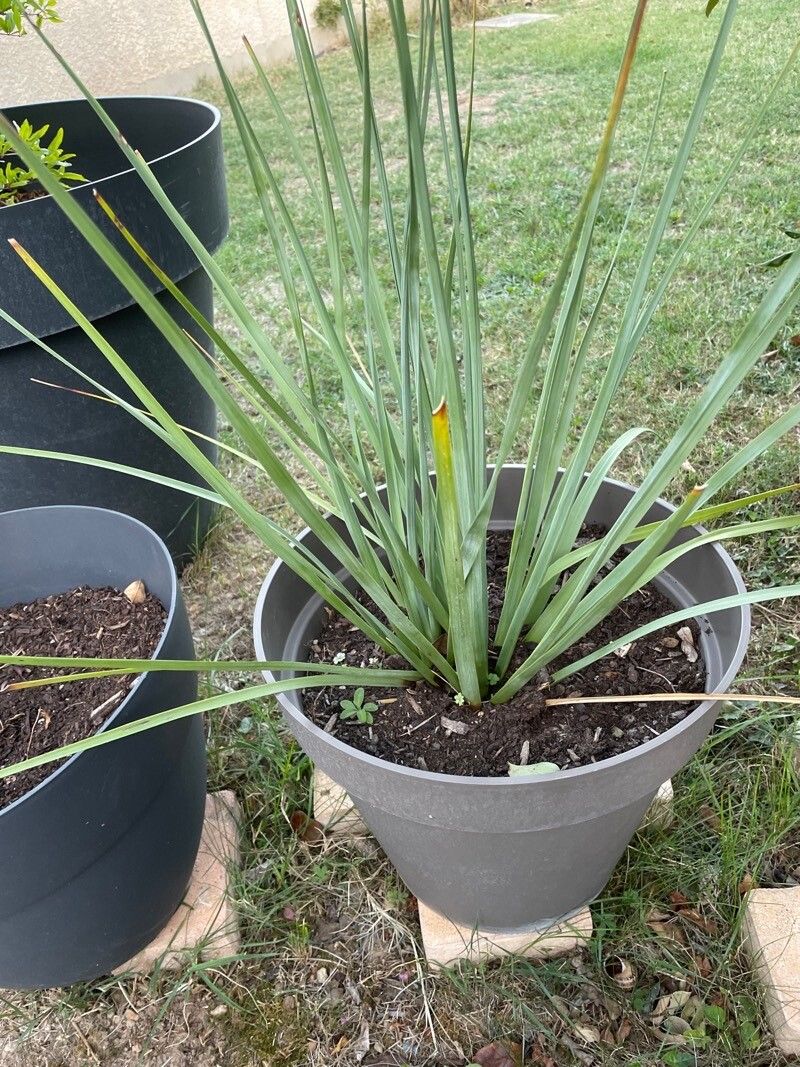
Oh, hello there, fellow garden enthusiast! It’s wonderful to have you join me. Today, we’re diving into the delightful world of Hesperaloe funifera, also known as our beautiful Mexican Grass Tree. I’ve spent many happy hours with these striking plants over the years, and if you’re looking for a bit of architectural flair in your landscape, or even a stunning container specimen, you’re in for a treat. Their architectural rosettes and tall, dramatic flower stalks are truly something to behold.
Now, about propagating them – is it a tough nut to crack? I’d say Hesperaloe funifera is moderately easy to propagate, especially once you get the hang of division, which is truly the star of the show for this plant. It’s a very rewarding process, allowing you to share these beauties with friends or simply expand your own collection.
The Best Time to Start
For Hesperaloe funifera, the sweet spot for propagation is definitely late spring or early summer. This is when the plant is actively growing and has plenty of energy to recover and establish new roots. You want to catch them just as things are really waking up after winter, or when the warmth of summer is settling in.
Supplies You’ll Need
Before we get our hands dirty, let’s gather our essential toolkit:
- Sharp Pruning Shears or a Clean Knife: For making clean cuts.
- Well-Draining Potting Mix: A cactus or succulent mix is ideal. You can also make your own by combining equal parts potting soil, perlite, and coarse sand.
- Pots or Trays: For your new propagations. Make sure they have drainage holes!
- Rooting Hormone (Optional but Recommended): This can give your cuttings a helpful boost.
- Watering Can or Spray Bottle: To keep things moist but not soggy.
- Gloves (Optional): For protecting your hands.
Propagation Methods: Division is Key!
While you can sometimes find seeds for Hesperaloe funifera, the most reliable and straightforward method for home gardeners is division. These plants naturally produce offsets, or “pups,” around their base.
- Prepare Your Mother Plant: Gently dig around the base of your mature Hesperaloe funifera. The goal is to expose the offsets that have emerged from the main plant.
- Identify and Separate Offsets: Look for smaller rosettes that have their own roots attached. You might need to carefully clear away some soil to see where they connect to the parent.
- Make the Cut (or Twist): Using your sharp pruning shears or knife, carefully sever the connection between the offset and the mother plant. Sometimes, with smaller pups, you can gently twist and pull them away, ensuring you get as many roots as possible. If the pups are larger, a clean cut is best.
- Allow to Callous: This is a crucial step! Before planting, let your separated offsets sit out in a dry, shaded spot for a day or two. This allows the cut surface to dry out and form a protective callus, which helps prevent rot.
- Plant Your Pups: Fill your pots with your well-draining mix. Make a small hole in the center and plant the offset, ensuring its roots are covered and the base of the rosette sits just above the soil line. Don’t bury the crown of the plant.
- Water Lightly: After planting, give it a gentle watering. You want the soil to be slightly moist, not saturated.
The “Secret Sauce” (Pro Tips)
Here are a few things I’ve learned that make a real difference:
- Don’t Rush the Roots: When you’re checking for roots on your newly planted divisions, resist the urge to yank them out of the pot! Wait until you see signs of new growth at the crown. That’s your best indicator.
- Think Drainage, Drainage, Drainage: I can’t stress this enough with succulents and arid plants. If your pots or soil don’t drain well, you’re setting yourself up for disappointment. Soggy roots are the quickest way to disaster.
- Patience is a Virtue: Hesperaloe funifera aren’t the fastest growers, especially when they’re young. Be patient with your new divisions. They’re working hard to establish themselves underground.
Aftercare & Troubleshooting
Once your new Hesperaloe funifera divisions are planted, keep them in a spot with bright, indirect light and water sparingly. Let the soil dry out between waterings. You’ll know they’re happy when you start to see new leaf growth from the center of the rosette and they feel firmly anchored in the pot if you give them a gentle tug.
The most common problem you’ll encounter is rot. If you notice mushy leaves, a slimy base, or a foul smell, it’s a sign of overwatering. Unfortunately, rot is often difficult to recover from, so prevention through good drainage and careful watering is paramount.
A Little Encouraging Word
Propagating Hesperaloe funifera is a wonderful way to connect with nature and expand your garden’s beauty. It might take a little patience, but watching those little pups establish themselves and grow into their own magnificent selves is incredibly rewarding. So, go ahead, give it a try! You’ve got this. Happy gardening!
Resource:
https://identify.plantnet.org/k-world-flora/species/Hesperaloe%20funifera%20(K.Koch)%20Trel./data