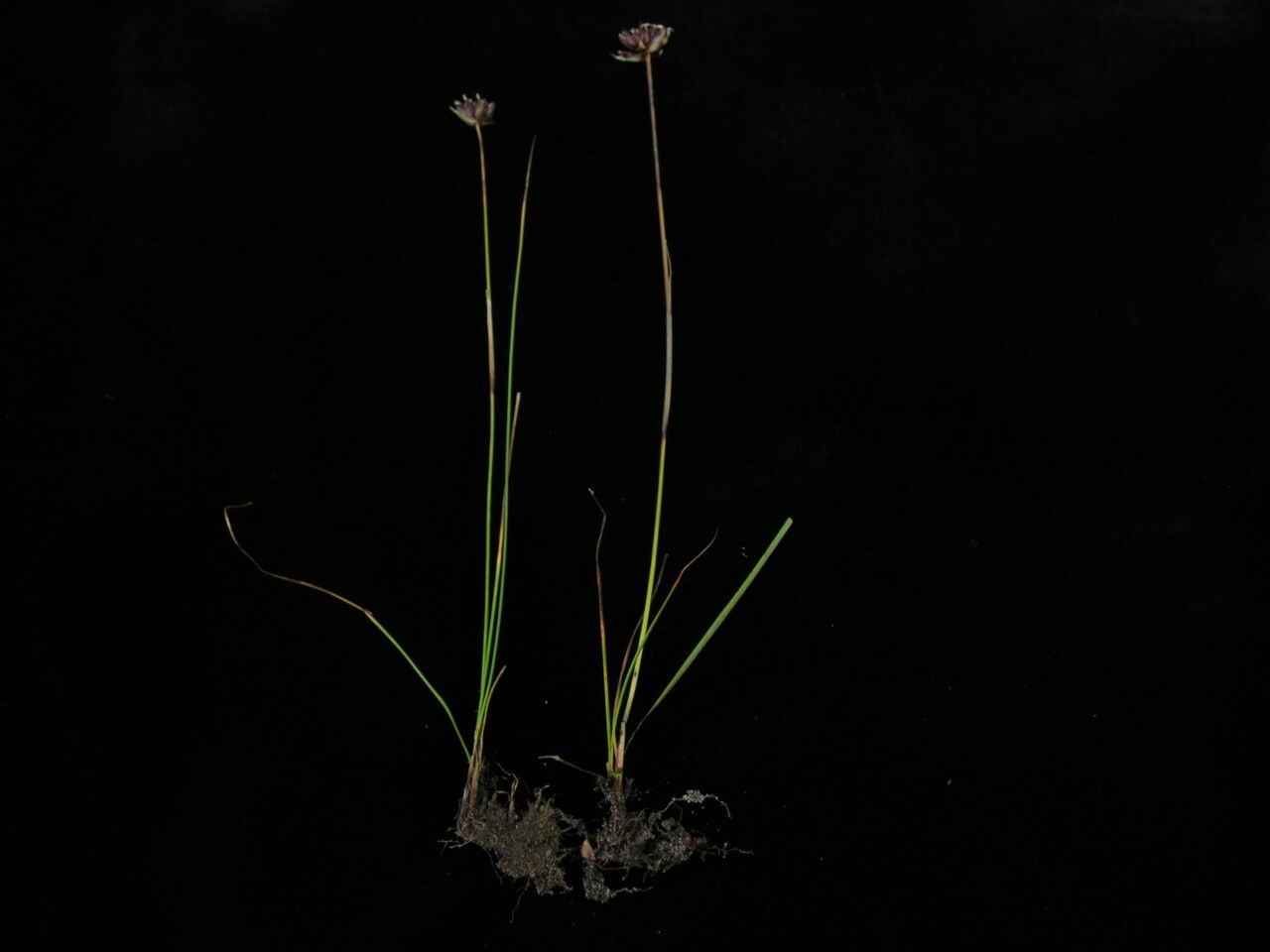
Oh, Juncus leucanthus! What a beauty. I’ve always adored this graceful rush for its airy, architectural feel. Those delicate, starry white blooms dancing on slender stems are just magical, aren’t they? And if you’re looking to fill your garden with more of this natural elegance, or perhaps share it with fellow plant lovers, propagating it yourself is a wonderfully rewarding endeavor. Good news for you – while not as simple as sticking a begonia cutting in water, Juncus leucanthus is quite forgiving, especially with a little guidance. I’ve found it to be a lovely plant to work with, and I think you will too.
The Best Time to Start
Honestly, spring is your golden window for propagating Juncus leucanthus. As the days get longer and the soil starts to warm up, the plant has a robust burst of energy. This means any cuttings you take or divisions you make will have the best chance of taking hold and developing strong roots. You can also have success with divisions in early autumn, but I find spring gives you a bit more wiggle room and vigor.
Supplies You’ll Need
Here’s what I always have on hand when I’m propagating:
- Sharp pruning shears or a clean knife: For making clean cuts.
- Small pots or seed trays: Whatever you prefer for starting your new plants.
- Sterile potting mix: I like a mix that drains well – something like 3 parts peat moss or coco coir, 2 parts perlite or vermiculite, and 1 part compost works beautifully.
- Watering can with a fine rose or a spray bottle: For gentle watering.
- Perlite or grit: For adding to the soil mix if you like even better drainage.
- Labels and a marker: Don’t forget to label what you’ve planted and when!
- Optional: Rooting hormone powder or gel (though often not strictly necessary for Juncus, it can give an extra boost).
Propagation Methods
For Juncus leucanthus, division is hands-down the easiest and most reliable method. It’s like giving your existing plant a much-needed haircut and getting bonus plants in return!
Division Method:
- Gently tease out the plant: If your Juncus is in a pot, carefully tip it out. If it’s in the ground, dig around it with a spade, trying to lift as much of the root ball as possible.
- Inspect the root ball: Look for natural divisions. You’ll see clumps of stems arising from distinct areas of the root system.
- Separate the clumps: You can often do this by hand, gently pulling the dense root masses apart. If it’s very stubborn, use your sharp knife or pruning shears to carefully cut through the roots, ensuring each section has plenty of healthy roots and at least a few stems.
- Remove excess soil: You don’t need to wash the roots, but gently shake off any loose, old soil.
- Pot up your new divisions: Plant each division in its own pot filled with your well-draining potting mix. Make sure the base of the stems is at or just slightly above the soil line.
- Water thoroughly: Give them a good soak right after planting to settle the soil around the roots.
While Juncus can be propagated from cuttings, it’s far more fiddly and less successful for beginners compared to division. Stick with division; it’s the plant’s preferred method and yours, too, once you try it!
The “Secret Sauce”
Here are a couple of things I’ve learned over the years that really help:
- Don’t be afraid to be a little tough: When dividing, if a clump isn’t easily pulling apart, don’t force it so hard you damage healthy sections. A sharp, clean cut is always better than tearing. And make sure each division has a decent amount of roots – that’s their lifeline!
- Mimic their natural environment: Juncus leucanthus loves a good drink. Once you’ve potted up your divisions, keep the soil consistently moist but not waterlogged. A small tray of gravel with a bit of water underneath can help maintain humidity around the pots, especially if your home is on the dry side. Just make sure the pot isn’t sitting directly in standing water.
Aftercare & Troubleshooting
Once your divisions are potted, place them in a bright spot out of direct, scorching sun. Water them regularly, ensuring the soil stays moist. You’ll start to see new shoots emerging, which is a wonderful sign that they’ve settled in.
The most common issue you might encounter is rot. This usually happens if the soil is staying too wet for too long, or if the division didn’t have enough healthy roots to begin with. If you see stems going mushy and brown, unfortunately, that section is likely lost. The best prevention is good drainage and careful watering.
A Little Patience Goes a Long Way
Propagating plants is a journey of observation and connection. Don’t get discouraged if every single division doesn’t make it; it’s all part of the learning process. With division, you’ll likely have a very high success rate. Just give your new Juncus leucanthus a consistent level of moisture and good light, and before you know it, you’ll have a whole little family of these delightful plants. Enjoy watching them grow and flourish!
Resource:
https://identify.plantnet.org/k-world-flora/species/Juncus%20leucanthus%20Royle%20ex%20D.Don/data