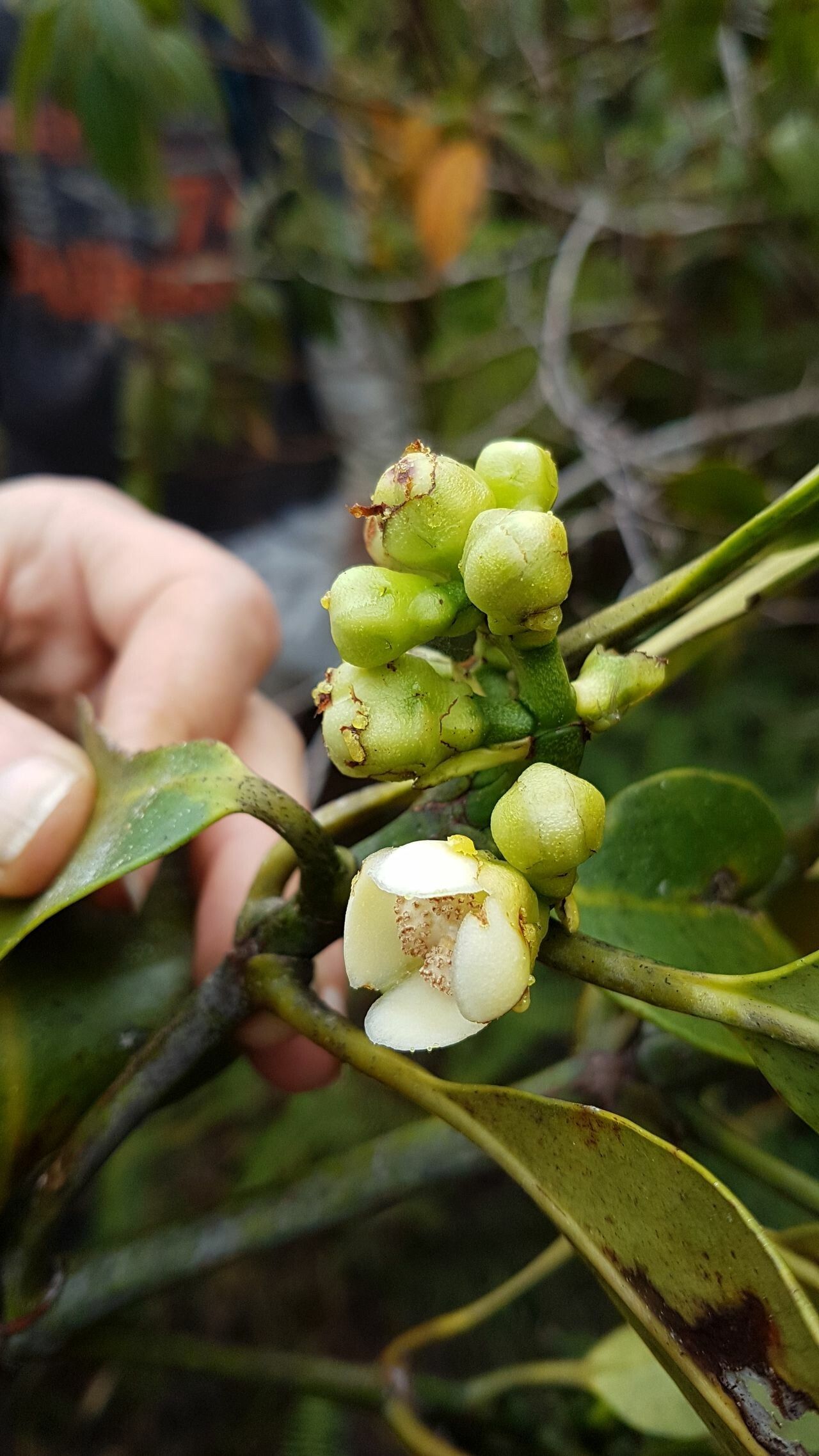
Oh, hello there! Come on in, grab a mug. Today, we’re diving into the wonderful world of propagating Garcinia vieillardii. If you’re not familiar, this is a real stunner, with its glossy leaves and often vibrantly colored fruit depending on the variety. Growing your own from a cutting is such a deeply satisfying journey, like watching a tiny miracle unfold in your own hands. Now, I won’t sugarcoat it – Garcinia vieillardii can be a bit of a diva when it comes to propagation, so while it’s not quite “beginner beginner” territory, it’s absolutely achievable with a touch of care and patience. Let’s get our hands dirty, shall we?
The Best Time to Start
For the best chance of success with Garcinia vieillardii, I always aim to take cuttings in the late spring or early summer. This is when the plant is actively growing, pushing out new, tender shoots that have plenty of energy to put into forming roots. You want to grab stems that are firm but still flexible – not woody and old, but not so soft that they bruise easily. Think of it like this: you’re capturing the plant at its most vigorous!
Supplies You’ll Need
Before we get started, let’s gather our tools. Having everything ready makes the process so much smoother.
- Sharp, clean pruning shears or a grafting knife: Cleanliness is key to preventing disease.
- Rooting hormone powder or gel: This is a great booster, though some plants are quite happy without it. I find it gives a little extra oomph.
- A well-draining potting mix: I like to use a blend of perlite, coco coir, and a bit of coarse sand. Some people swear by a peat-based mix, but I find it can hold too much moisture.
- Small pots or seedling trays: Clean ones are a must! Yogurt cups with drainage holes poked in the bottom also work in a pinch.
- A spray bottle: For misting.
- A plastic bag or propagation dome: To create a humid environment.
- Optional: A heated propagator mat: This provides gentle bottom heat, which can significantly speed up root development.
Propagation Methods
Let’s talk about how we’ll coax roots into forming. For Garcinia vieillardii, stem cuttings are usually my go-to method.
Stem Cuttings
- Select your cutting: Look for a healthy, semi-hardwood stem that’s about 4-6 inches long. Make a clean cut just below a leaf node (where a leaf attaches to the stem). This is where the magic of root formation often begins.
- Prepare the cutting: Gently remove the lower leaves from the cutting. You want to leave just a few at the top to keep the plant photosynthesizing. If any leaves are particularly large, I’ll often cut them in half horizontally. This reduces water loss while still allowing for some energy production.
- Apply rooting hormone: Dip the cut end of the stem into your rooting hormone, tapping off any excess.
- Pot it up: Fill your clean pot with your well-draining mix. Make a hole in the center with a pencil or your finger and gently insert the cutting. Firm the soil around the base to ensure good contact.
- Water gently: Water thoroughly but gently, making sure the soil is moist but not waterlogged.
- Create humidity: Cover the pot with a clear plastic bag or a propagation dome. You can secure the bag with a rubber band around the pot rim. This traps humidity, which is crucial for cuttings that haven’t yet developed roots to absorb water.
- Place in bright, indirect light: Find a warm spot that receives plenty of bright, diffused light. Avoid direct sunlight, as this can scorch the tender cutting.
The “Secret Sauce” (Pro Tips)
Here are a few things I’ve learned over the years that can make all the difference.
- “No Soggy Bottoms!”: This is critical. While cuttings need moisture, they absolutely cannot sit in water. Ensure your pots have good drainage and that the potting mix isn’t compacted. If you’re using water propagation (which I tend to avoid for Garcinia, but some try), make sure only the very base of the stem is submerged, and change the water every few days to keep it fresh.
- Embrace the Warmth: As I mentioned, bottom heat can be a game-changer. Placing your pot on a heated propagator mat, or even positioning it over a warm appliance (carefully, of course!), encourages the roots to develop much faster. It mimics the warmth of spring soil.
- The “Heel” Trick (for some): Sometimes, when taking a cutting from a slightly older, woodier stem, you can get a tiny sliver of the parent stem (the “heel”) attached to your cutting. This can actually increase your success rate as it contains a lot of helpful cells. While we aim for semi-hardwood, if a slight heel happens to come away, don’t discard it!
Aftercare & Troubleshooting
Once your cutting shows signs of life – new leaf growth is the best indicator – it’s time for a little extra care.
- Gradual Acclimation: Slowly reduce the humidity by gradually opening the plastic bag or propagation dome over a week or two. This prevents shock as the plant gets used to drier air.
- Watering: Water when the top inch of soil feels dry. Continue to water gently.
- Light: Gradually introduce it to brighter light, but still avoid harsh, direct sun for the first few months.
- Troubleshooting:
- Rot: This is the most common culprit. If your cutting turns black and mushy, it’s likely a sign of overwatering and insufficient drainage. Unfortunately, this is usually the end of the line for that cutting. Make sure your mix is airy next time!
- Wilting: If the cutting wilts and doesn’t perk up after watering, it might mean it hasn’t gotten enough light or it’s too dry. Check your watering schedule and light source.
- No Rooting: If after several weeks or even a couple of months you see no signs of root development (and no rot either!), don’t despair. Some cuttings are just slow growers. You can gently try to tug on it – if there’s resistance, roots are forming!
A Encouraging Closing
Growing new plants is a delightful dance with nature. Be patient with your Garcinia vieillardii cuttings. Some will take off immediately, others will take their sweet time, and yes, some might not make it. That’s all part of the learning process, and every attempt teaches you something new. Enjoy the journey, celebrate every tiny root thread you discover, and soon you’ll have a beautiful new Garcinia vieillardii to call your own. Happy propagating!
Resource:
https://identify.plantnet.org/k-world-flora/species/Garcinia%20vieillardii%20Pierre/data