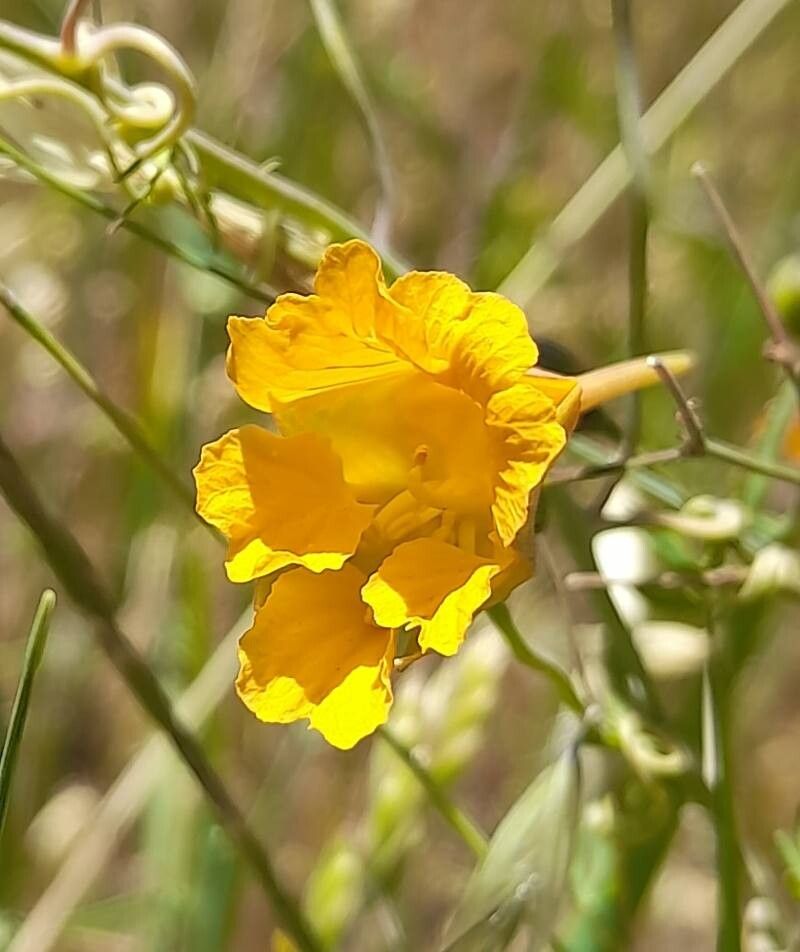
Ah, Tropaeolum leptophyllum! What a delightful charmer. If you’re drawn to its delicate, almost ethereal beauty, you’re in for a treat. Its lovely, deeply lobed leaves and cheerful, often vibrant flowers bring such grace to any garden space. And the best part? Sharing this beauty by propagating it yourself is surprisingly rewarding. For those newer to the gardening scene, I’d say it falls into the “moderately easy” category. It’s not quite as foolproof as some of the super-tough plants, but with a little attention, you’ll be well on your way to success.
The Best Time to Start
Honestly, the sweet spot for propagating Tropaeolum leptophyllum is usually in the late spring or early summer. This is when the plant is actively growing and has plenty of energy to produce new roots. Starting after the initial flush of spring growth has settled down, but before the intense heat of midsummer, gives your new cuttings the best chance to establish themselves comfortably.
Supplies You’ll Need
Here’s what you’ll want to have on hand:
- Sharp pruning shears or a clean knife: For taking nice, clean cuttings.
- A good quality potting mix: I prefer a lighter mix, perhaps one with perlite or vermiculite added to improve drainage. A standard seed-starting mix works wonderfully too.
- Small pots or seed trays: Clean ones are essential!
- Rooting hormone (optional but recommended): This can give your cuttings a helpful boost.
- A watering can with a fine rose: For gentle watering.
- Clear plastic bags or a propagator: To create a humid environment.
- Labels: So you remember what you’ve planted where!
Propagation Methods
Let’s dive into how we can coax new life from your Tropaeolum leptophyllum.
Stem Cuttings (My Personal Favorite!)
This is generally the most reliable method for Tropaeolum leptophyllum.
- Select your cutting: Look for a healthy, non-flowering stem that’s about 4-6 inches long. The stem should be firm but not woody – think of a pencil eraser’s thickness.
- Make the cut: Using your sharp shears or knife, make a clean cut just below a leaf node (where a leaf attaches to the stem). This is where the magic happens for root formation.
- Prepare the cutting: Gently remove the lower leaves. You want to remove all leaves that would sit below the soil line. Leave just a few at the top.
- Apply rooting hormone: If you’re using it, dip the cut end of the stem into the rooting hormone powder. Tap off any excess.
- Plant your cutting: Fill your small pots with your prepared potting mix. Make a hole in the center with your finger or a pencil. Carefully insert the cut end of the Tropaeolum cutting into the hole, ensuring the leaf nodes are buried. Gently firm the soil around it.
- Water gently: Water thoroughly but gently, so you don’t dislodge the cutting. The soil should be moist but not waterlogged.
- Create humidity: Cover the pot loosely with a clear plastic bag or place it in a propagator. This trapped humidity is crucial for preventing the cutting from drying out. Ensure the leaves aren’t touching the plastic if possible – a small stake can help with this.
- Find a good spot: Place your pots in a bright location out of direct sunlight. A warm windowsill is usually ideal.
Water Propagation (For the Impatient!)
While I usually lean towards soil for Tropaeolum, this can still work.
- Take your cutting: Follow steps 1 and 2 from the stem cutting method.
- Prepare the cutting: Remove all leaves that would be submerged in water.
- Place in water: Put the cutting in a clean jar or glass filled with fresh water. Make sure the leaf nodes are submerged, but no leaves are in the water.
- Change water regularly: This is key! Change the water every 2-3 days to keep it fresh and prevent bacterial growth.
- Location, location, location: Like stem cuttings, keep it in a bright spot away from direct sun.
- Watch for roots: You’ll start to see tiny white roots emerging from the nodes. Once these roots are about an inch long, it’s time to carefully transplant them into soil.
The “Secret Sauce” (Pro Tips)
After years of coaxing plants to grow, I’ve learned a few tricks that seem to make all the difference.
- Don’t be afraid to experiment with warmth: While bright light is important, a little gentle bottom heat can significantly speed up root development. If you have a seedling heat mat, placing your pots on it (on a low setting) can work wonders, especially if your room is on the cooler side. Just make sure the soil isn’t getting too hot and drying out; check it regularly.
- The “bend test” is your friend: Once you think your cuttings have rooted (usually after 3-4 weeks), give a cutting a very gentle tug. If you feel resistance, it means roots have formed! If it pulls out easily, it hasn’t rooted yet. Don’t disturb them too much, though!
Aftercare & Troubleshooting
Once you see those precious roots emerging, it’s time for a little pampering.
- Acclimatize slowly: If you used the plastic bag method, gradually introduce your new plant to drier air by opening the bag a little more each day for about a week. Then, remove it completely.
- Water consistently: Keep the soil evenly moist, but never soggy. This is especially important for young plants sensitive to drying out.
- Watch for rot: The most common issue is root rot, which usually happens from overwatering and poor drainage. If your cutting becomes soft, mushy, or black at the base, it’s likely rotting. Unfortunately, there’s not much to do once this happens, so prevention is key. Ensure good air circulation and proper watering.
- Leggy growth: If your plant is stretching towards the light, it simply means it needs more light. Move it to a brighter spot.
A Little Patience Goes a Long Way
Propagating plants is a journey, and Tropaeolum leptophyllum is a delightful companion for that ride. Don’t get discouraged if your first few attempts don’t take – gardening is a wonderful learning process. Celebrate each tiny root and each new leaf. Soon, you’ll have a whole collection of these lovely plants to enjoy! Happy propagating!
Resource:
https://identify.plantnet.org/k-world-flora/species/Tropaeolum%20leptophyllum%20G.Don/data