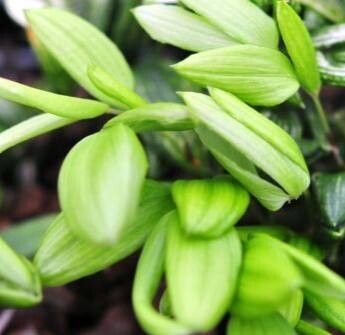
Well hello there, fellow plant lovers! Today, we’re diving into the wonderful world of propagating Luzuriaga radicans, that delightful evergreen with its delicate, bell-shaped flowers and glossy foliage. If you’ve ever admired this beauty in someone’s garden or in a botanical collection, you’ll be thrilled to know you can bring its charm into your own space. Propagating it is incredibly rewarding, watching a tiny piece of mother plant transform into a whole new specimen. Now, I’ll be honest, Luzuriaga radicans isn’t the absolute easiest plant for a total beginner to propagate, but with a little care and attention, you’ll be blooming with success!
The Best Time to Start
For the highest chance of success, late spring or early summer is your golden window. This is when the plant is actively growing, meaning young stems are more pliable and more responsive to rooting. Aim for pieces that are new growth, but have started to firm up a bit – not completely soft and floppy, but not woody and old either.
Supplies You’ll Need
Here’s what you’ll want to have on hand:
- Sharp pruning shears or a clean knife: For making clean cuts. Sterilize them with rubbing alcohol before you start!
- Rooting hormone (optional but recommended): A powdered or gel form can give your cuttings a helpful boost.
- Potting mix: I like a well-draining mix, usually a blend of peat moss or coco coir, perlite, and a bit of compost. For Luzuriaga, ensuring good aeration is key.
- Small pots or seed trays: With drainage holes, of course.
- Plastic bags or a propagator: To create a humid environment.
- Watering can or spray bottle: For gentle watering.
Propagation Methods
Let’s get our hands dirty! The most reliable way to propagate Luzuriaga radicans is through stem cuttings.
- Take Your Cuttings: Select healthy, non-flowering stems from your mature plant. Look for pieces that are about 4-6 inches long. Using your clean shears or knife, make a clean cut just below a leaf node (that’s the point where a leaf or bud joins the stem). Remove the lower leaves from the cutting, leaving just a few at the top.
- Apply Rooting Hormone (Optional): If you’re using rooting hormone, dip the cut end of the stem into the powder or gel. Tap off any excess.
- Plant Your Cuttings: Fill your small pots or trays with your prepared potting mix. Make a small hole in the center with your finger or a pencil. Gently insert the cut end of the stem into the hole, making sure it’s snug. Firm the soil gently around the cutting.
- Provide Humidity: Water the soil lightly. Then, you can either cover the pot with a clear plastic bag (propping it up with a skewer so it doesn’t touch the leaves) or place the pots inside a propagator. This creates a mini-greenhouse effect, keeping the humidity high, which is crucial for cuttings.
- Location, Location, Location: Place your pots in a bright spot with indirect light. Avoid direct sun, which can scorch the delicate cuttings.
The “Secret Sauce” (Pro Tips)
Here are a few little tricks I’ve learned over the years that make a real difference:
- Don’t Let the Leaves Touch the Water: If you opt for water propagation (which is less reliable for Luzuriaga but possible for very small, soft tips), ensure only the cut end is submerged. Any leaves below the waterline will rot and can infect the stem.
- Bottom Heat is a Game-Changer: Luzuriaga really benefits from consistent, gentle warmth from below. Using a heated propagator mat can significantly speed up root formation. It mimics the warm soil of its native environment.
- Be Patient with Leaves First: Sometimes, Luzuriaga cuttings will show new leaf growth before they’ve developed a substantial root system. Don’t be fooled! Gently tugging on the cutting is a good indicator. If there’s resistance, roots are forming. If it pulls out easily, it hasn’t rooted yet.
Aftercare & Troubleshooting
Once you see signs of new growth – tiny leaves emerging or a bit of resistance when you gently tug – it’s time to start acclimatizing your new baby! Gradually reduce the humidity by opening the plastic bag or propagator a little each day over a week or two. Continue to keep it in bright, indirect light and water when the top inch of soil feels dry.
The main culprit when propagation goes wrong with Luzuriaga is rot. If your cuttings turn black and mushy, it’s usually a sign of too much moisture or not enough air circulation. Ensure your soil drains exceptionally well and don’t overwater. If you see browning or yellowing on the leaves that isn’t due to overwatering, it might be a lack of humidity or too much direct sun.
A Encouraging Closing
Propagating plants is a beautiful dance with nature, and sometimes it takes a few tries to get it just right. Don’t be discouraged if your first attempt isn’t a runaway success. Each cutting is a learning experience. Be patient, nurture your little green sprouts, and enjoy the incredible satisfaction of growing your very own Luzuriaga radicans. Happy gardening!
Resource:
https://identify.plantnet.org/k-world-flora/species/Luzuriaga%20radicans%20Ruiz%20&%20Pav./data