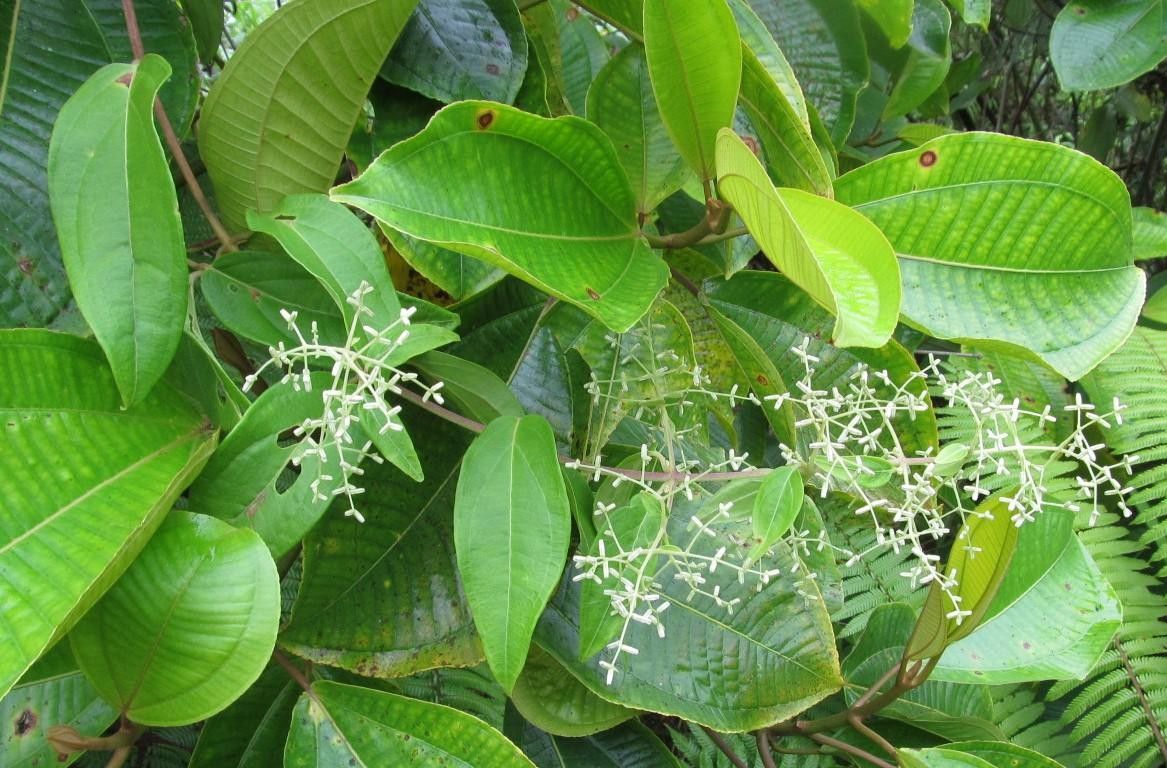
Oh, hello there! Come on in, grab a mug. I’m so glad you’re interested in Mikania sylvatica. This is a vine that brings such a lovely splash of vibrant green to any space, and watching it grow from a tiny cutting is one of gardening’s most satisfying little victories. You know, I’ve been nurturing plants for two decades now, and I can tell you, propagating Mikania sylvatica is a joy. For beginners, I’d say it leans towards easy to moderate. You just need a little patience and a few key steps.
The Best Time to Start
For the highest success rate with Mikania sylvatica, I always recommend late spring or early summer. This is when the plant is in its most vigorous growth phase. You’ll be able to take healthy cuttings that are more likely to root quickly. Aim for stems that are actively growing but not yet woody.
Supplies You’ll Need
Gathering your supplies beforehand makes the whole process so much smoother. Here’s what you’ll want:
- Sharp pruning shears or a clean knife: For making neat cuts.
- A rooting hormone (optional, but recommended): I like powdered forms, but liquid works too.
- A good quality potting mix: Something well-draining is crucial. A mix of peat moss, perlite, and a little bit of compost usually does the trick.
- Small pots or propagation trays: Clean and with drainage holes, of course!
- A clear plastic bag or dome: To create a mini-greenhouse effect.
- Water: For misting and watering.
Propagation Methods
There are a few ways to coax Mikania sylvatica into new life, but my go-to methods are stem cuttings and water propagation.
Stem Cuttings: This is my absolute favorite method for this vine.
- Take Your Cuttings: Find a healthy stem and make a clean cut just below a leaf node (where a leaf attaches to the stem). You want cuttings that are about 4-6 inches long. Remove any leaves from the bottom half of the cutting.
- Apply Rooting Hormone: If you’re using rooting hormone, dip the cut end into the powder or liquid, tapping off any excess.
- Plant the Cuttings: Fill your small pots with the well-draining potting mix. Make a little hole in the center with your finger or a pencil and gently insert the cutting. Firm the soil around it.
- Water and Cover: Water the soil thoroughly until it drains from the bottom. Then, lightly mist the leaves and cover the pot with a clear plastic bag or propagation dome. This helps retain humidity, which is key for rooting.
- Place in Bright, Indirect Light: Keep the pots in a warm spot that receives bright, but not direct, sunlight.
Water Propagation: This is a wonderfully visual way to see roots emerge!
- Prepare the Cuttings: Similar to stem cuttings, take 4-6 inch cuttings from healthy stems, making a cut just below a leaf node. Remove the leaves from the bottom half.
- Place in Water: Fill a clean jar or glass with fresh water. Submerge the bottom few inches of the cutting, ensuring that the leaf nodes that will eventually root are underwater.
- Change Water Regularly: Crucially, change the water every 2-3 days. This prevents bacterial growth and keeps the water fresh for the developing roots.
- Provide Bright, Indirect Light: Just like stem cuttings, place your jar in a location with bright, but indirect, light.
The “Secret Sauce”
After all these years, I’ve learned a few things that can really give your propagation efforts a boost.
- Don’t let the leaves touch the water. If you’re water propagating, make sure any leaves remaining on the cutting are well above the waterline. Leaves submerged tend to rot, and that’s not what we want for our new plant!
- Bottom heat is your friend. If your cuttings are taking their sweet time, popping them on a seedling heat mat can make a world of difference. It encourages root development from below, mimicking ideal soil conditions. My Mikania cuttings root so much faster when they’ve got a little warmth coming up from underneath.
Aftercare & Troubleshooting
Once you see roots forming – hooray! For water propagation, this might take a couple of weeks. For stem cuttings, you might feel a gentle tug when you try to pull on the cutting.
- Transplanting: When your water-propagated cuttings have roots that are at least an inch long, it’s time to transplant them into pots with your well-draining potting mix. Water them in well and follow the steps for potted cuttings.
- Continued Care: For newly potted cuttings (whether from water or planted directly), continue to keep them in bright, indirect light and maintain consistent moisture, but don’t let them become waterlogged. Keep them covered with the plastic bag or dome for another week or two until you see new leaf growth, which indicates they’ve successfully rooted and adjusted.
- Troubleshooting: The most common issue you’ll encounter is rot. If your cutting turns black and mushy, it’s likely rot. This usually happens due to too much moisture and poor air circulation. Make sure your soil is well-draining, and don’t overwater. If you’re water propagating, be diligent about changing the water. Sometimes, if a cutting is just too old or stressed, it won’t root. Don’t be discouraged; just try again with a fresh, healthy cutting!
So there you have it! Propagating Mikania sylvatica is a wonderful way to fill your home with its lush greenery. Be patient, observe your little plant babies, and enjoy the process. Happy gardening!
Resource:
https://identify.plantnet.org/k-world-flora/species/Mikania%20sylvatica%20Klatt/data