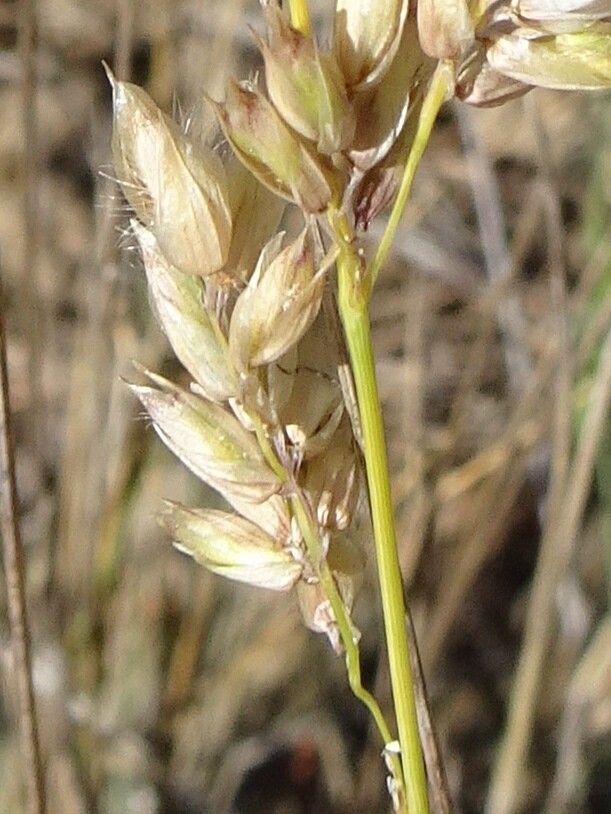
Hello there, fellow plant enthusiasts! As a gardener who’s been digging in the dirt for two decades, I’ve learned a thing or two about coaxing new life from our beloved plants. Today, we’re going to talk about a real gem: Melica amethystina.
Your New Garden Star: Why Propagate Melica Amethystina?
What’s not to love about Melica amethystina? Its graceful, arching flower stalks, often dusted with a beautiful amethyst hue, bring a touch of elegance to any garden border. These ornamental grasses sway in the breeze, adding texture and movement that’s simply captivating. And the best part? Propagating it is surprisingly accessible. While “challenging” isn’t a word I’d typically use for this beauty, it’s a lovely plant for those eager to learn a new trick or two. The reward of watching a tiny cutting transform into a thriving new plant is, for me, one of gardening’s greatest joys.
The Best Time to Start: Welcoming New Life
For Melica amethystina, spring is your golden ticket. This is when the plant is shaking off its winter slumber and bursting with fresh growth. Starting your propagation efforts as new shoots emerge will give them the longest possible growing season to establish themselves before cooler weather arrives. Aim for a time when your local temperatures are consistently mild and there’s no risk of frost.
Supplies You’ll Need: Your Propagation Toolkit
Gathering your supplies beforehand makes the whole process smoother. Here’s what I usually have on hand:
- Sharp, clean pruning shears or a sharp knife: Essential for making clean cuts.
- A well-draining potting mix: I like a blend of equal parts peat moss, perlite, and compost.
- Small pots or trays: For your cuttings to root in.
- Rooting hormone (optional, but helpful): A powder or gel can give your cuttings a boost.
- Watering can or spray bottle: For gentle watering.
- A plastic bag or propagation dome: To create a humid environment.
- Labels: To keep track of what you’ve planted!
Propagation Methods: Bringing Forth New Growth
Melica amethystina is most commonly and successfully propagated through division. It’s a straightforward process that gives you a high success rate.
Division: The Reliable Root-Maker
- Prepare the Parent Plant: In early spring, before the plant has put on too much new growth, gently dig it up from its spot. You can do this with a spade or garden fork. Try to disturb the roots as little as possible.
- Gently Separate: Once the plant is out of the ground, remove any excess soil clinging to the roots. You’ll see distinct clumps or sections of the plant. Using your hands, or a sharp knife if the clumps are very tight, carefully pull or cut the root ball into smaller sections. Each section should have a good amount of healthy roots and at least one viable shoot or growing point. Don’t be afraid to get in there and gently tease the roots apart.
- Replant Your New Babies: Immediately replant your divisions. Dig holes in your prepared garden beds or pots, ensuring they are large enough to accommodate the root system. Plant them at the same depth they were previously growing.
- Water Thoroughly: Give your newly divided plants a good drink of water to help settle the soil and reduce transplant shock.
The “Secret Sauce”: Insider Tips for Success
Here are a couple of tricks up my sleeve that often make a world of difference:
- Don’t Drench, Just Dampen: When you replant divisions, you want the soil to be consistently moist, but not waterlogged. Overwatering at this stage can encourage rot before roots even have a chance to establish. A gentle watering or a misting with a spray bottle is often all that’s needed initially.
- Embrace the Shade: While we want plenty of light for growth, new divisions, especially those freshly pulled from the ground, can get stressed in hot, direct sun. Give them a bit of dappled shade for the first week or two after planting. This protects them while they recover from the transplanting process.
Aftercare & Troubleshooting: Nurturing Your New Sprouts
Once your divisions are in the ground, continued consistent watering is key. Keep the soil evenly moist, especially during dry spells. Mulching around the base of the new plants will help retain moisture and suppress weeds.
What if things don’t go as planned? The most common issue you might face is rot. This usually happens when the soil stays too wet for too long. If you see stems wilting or turning mushy, it’s a sign that they’re getting too much moisture. Try to improve drainage, or in extreme cases, you may need to try again with a drier environment. Don’t be disheartened if a few don’t make it; it’s all part of the learning curve!
A Little Patience, A Lot of Love
Propagating Melica amethystina through division is a rewarding endeavor that’s very forgiving. Be patient, observe your new plants, and celebrate every little bit of growth. With a little care and attention, you’ll soon have a whole collection of these beautiful grasses gracing your garden. Happy gardening!
Resource:
https://identify.plantnet.org/k-world-flora/species/Melica%20amethystina%20Pourr./data