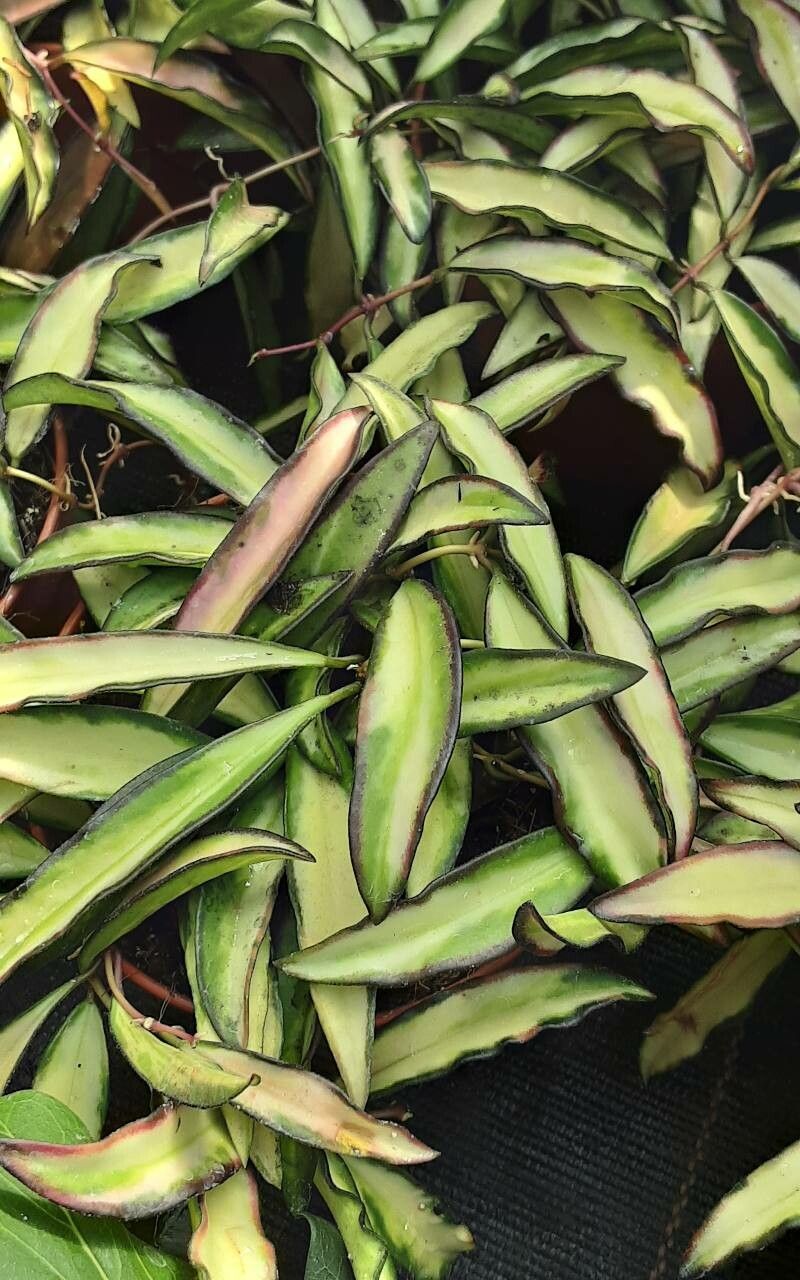
Hey there, fellow plant lovers! I’m so excited to chat with you today about one of my absolute favorites: Hoya kentiana. You know, those gorgeous vines with those signature, slender leaves that just drape so beautifully? They’re incredibly rewarding to grow, and honestly, propagating them is a fantastic way to multiply your joy.
Why Propagate Hoya Kentiana?
There’s something truly special about nurturing a new plant from a tiny cutting. It’s like witnessing a little miracle, and with Hoya kentiana, it’s surprisingly accessible. If you’re new to plant propagation, you’ll be happy to know that Hoya kentiana is quite forgiving. It’s a great plant to start your propagation journey with!
The Best Time to Start
For Hoya kentiana, the sweet spot for propagation is during its active growing season. Think spring and summer. When the plant is actively putting out new growth, it has the energy reserves to channel into developing roots. Trying to propagate in the dead of winter, when growth slows down, can be a bit of an uphill battle.
Supplies You’ll Need
Gathering your supplies before you start makes the whole process smoother. Here’s what I always have on hand:
- Sharp Pruning Shears or Scissors: Clean is key!
- A Small Potting Mix: I love a mix of perlite, coco coir, and a touch of orchid bark. This ensures great drainage. Some people swear by a simple mix of perlite and peat moss, too.
- Rooting Hormone (Optional but Recommended): A little powdered or gel rooting hormone can give your cuttings a great head start.
- Small Pots or Containers: Anything that holds your potting mix and fits your cuttings.
- Clear Plastic Bags or a Propagator: To create a humid environment.
- Water: For water propagation.
- Dapen dishes or small jars: For water propagation.
Propagation Methods
Let’s get our hands dirty! Hoya kentiana is a champ at propagating in a couple of straightforward ways.
Stem Cuttings: My Go-To Method
This is my favorite and usually the most successful method for Hoya kentiana.
- Select Your Cutting: Look for a healthy stem that has at least two to three sets of leaves. Make your cut just below a leaf node. This is where the magic happens – new roots will emerge from here.
- Prepare the Cutting: Gently remove the leaves from the bottom node. You can also trim some of the larger leaves in half if they seem too big and will likely droop and rot. This reduces water loss.
- Apply Rooting Hormone (Optional): Dip the cut end into your rooting hormone, tapping off any excess.
- Plant Your Cutting: Fill your small pot with your prepared potting mix. Make a small hole in the center and gently insert the cutting, ensuring the bottom leaf node is buried in the soil. Firm the soil around the stem.
- Provide Humidity: Water the soil lightly, then cover the pot with a clear plastic bag or place it in a propagator. This traps humidity, which is crucial for root development. Make sure the leaves aren’t touching the plastic directly if possible.
- Placement: Place the pot in a spot with bright, indirect light. Avoid direct sun, which can scorch the delicate cutting.
Water Propagation: Simple and Seeing is Believing
This method is super satisfying because you can watch the roots grow!
- Take Your Cutting: Just like with stem cuttings, select a healthy stem with at least two to three leaf nodes. Cut just below a leaf node.
- Prepare the Cutting: Remove the leaves from the bottom node.
- Place in Water: Fill a small jar or dapen dish with clean water. Submerge the cut end of the stem, making sure the bottom leaf node is underwater, but the leaves are NOT submerged. This is super important to prevent rot.
- Find a Good Spot: Place your jar in a location with bright, indirect light.
- Change the Water: Refresh the water every few days to keep it clean and oxygenated. You’ll start to see little nubs appear, which will grow into roots.
The “Secret Sauce” (Pro Tips)
After years of coaxing plants to grow, I’ve picked up a few tricks!
- Bottom Heat is Your Friend: Hoyas, like many tropical plants, love a little warmth to encourage root growth. Placing your pots on a heat mat designed for seedlings can significantly speed up the rooting process. It’s really a game-changer!
- Don’t Overwater the Soil: While cuttings need moisture, an overly soggy environment is a recipe for rot. Let the top inch of soil dry out slightly between waterings when using the soil propagation method. It’s better to err on the side of slightly too dry than too wet.
- Patience is a Virtue, Especially with Hoyas: Some Hoyas are faster than others, but Hoya kentiana can sometimes take a few weeks to show signs of rooting. Resist the urge to constantly pull the cutting out to check. Trust the process!
Aftercare & Troubleshooting
Once you see healthy roots forming – either emerging from the soil or growing long in the water – it’s time for the next step.
- For Soil Cuttings: If you used the soil method and see new leaf growth or gentle tugging reveals resistance, your cutting has rooted! Gradually decrease the humidity by removing the plastic bag for longer periods each day. Continue to water as needed, letting the soil dry out a bit between waterings.
- For Water Cuttings: Once the roots are a couple of inches long, it’s time to transplant them into your favorite well-draining potting mix. Treat them just like you would a newly potted plant.
- Signs of Trouble: The most common issue is rot. If your cutting turns mushy, black, or smells funky, it’s likely rotted. This is usually due to too much moisture or lack of airflow. If you spotted it early, you might be able to cut away the rotted part and try again, but sadly, sometimes it’s best to start fresh. Yellowing leaves on an unrooted cutting can also be a sign of stress or too much light.
A Final Encouraging Word
Propagating Hoya kentiana is a journey, and like any good gardening endeavor, it’s about learning and enjoying the process. Don’t be discouraged if your first attempt isn’t perfect. Each cutting is a learning opportunity, and soon you’ll have a small jungle of these beautiful plants to share or keep all to yourself. Happy propagating!
Resource:
https://identify.plantnet.org/k-world-flora/species/Hoya%20kentiana%20C.M.Burton/data