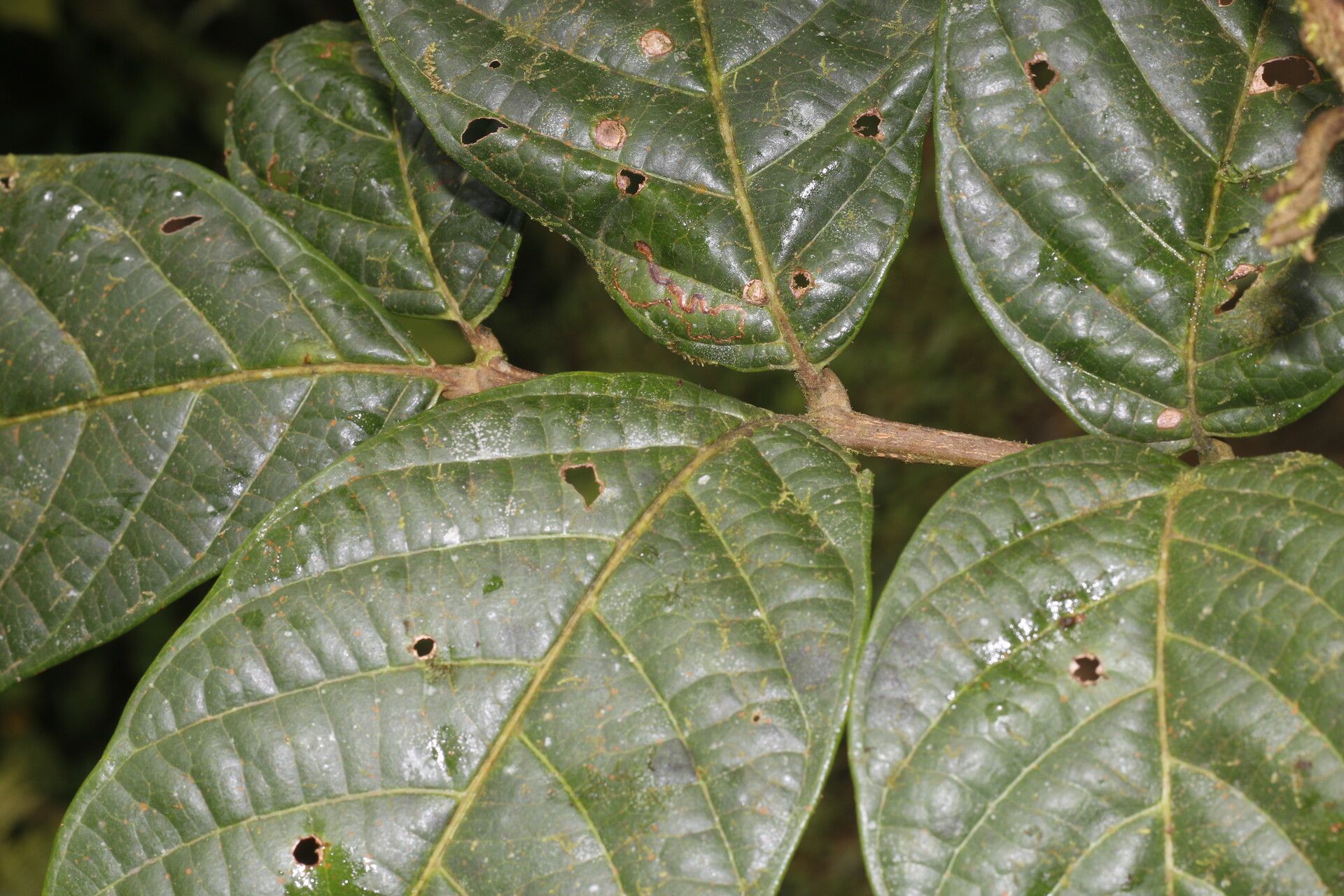
Oh, Cupania moralesii! Isn’t she a beauty? I’ve always loved this plant for its lush, glossy foliage and the way it brings a touch of the tropics right into our spaces. Plus, seeing a new plant sprout from a little piece of an existing one? That’s pure magic, in my book. It’s a wonderfully rewarding feeling, and honestly, Cupania is quite forgiving, making it a good choice even if you’re just starting your propagation journey.
The Best Time to Start
For Cupania, I find the late spring through early summer is absolutely prime time for propagation. This is when the plant is actively growing, full of vigor, and just bursting with energy. You’ll have the best chance of success with healthy cuttings during this period.
Supplies You’ll Need
Gathering your tools beforehand makes the whole process so much smoother. Here’s what you’ll want to have on hand:
- Sharp pruning shears or a clean craft knife: For making clean cuts.
- Rooting hormone (optional but recommended): Helps encourage root development.
- Suitable potting mix: I like a well-draining blend. A mix of peat moss, perlite, and a bit of coco coir works wonders.
- Small pots or cell trays: Clean ones are important!
- Clear plastic bags or a propagation dome: To create a humid environment.
- Watering can or mister: For gentle watering.
- Labels and a marker: To keep track of your projects!
Propagation Methods
Let’s get our hands dirty! For Cupania, stem cuttings are generally my go-to method.
- Take Your Cuttings: First, locate a healthy, semi-hardwood stem on your mother plant. You want a piece that’s not brand new and floppy, but not old and woody either. Look for a stem that’s slightly firm. With your sharp shears or knife, take a cutting about 4-6 inches long. Make the cut just below a leaf node (where a leaf attaches to the stem).
- Prepare the Cuttings: Gently remove the lower leaves from your cutting, leaving just two or three at the top. This is important to prevent rot when the cutting is in the soil. If you’re using rooting hormone, dip the cut end into the powder, tap off any excess, and then plant.
- Plant Your Cuttings: Fill your pots or cell trays with your prepared potting mix. Make a small hole in the center with your finger or a pencil. Insert the cut end of your Cupania cutting into the hole, ensuring it’s snug. Firm the soil gently around the stem.
- Create Humidity: Water the soil gently until it’s evenly moist. Then, cover the pots with a clear plastic bag, or place them under a propagation dome. This traps humidity, which is crucial for cuttings that haven’t developed roots yet. The plastic shouldn’t touch the leaves if possible.
The “Secret Sauce” (Pro Tips)
Here are a few tricks I’ve learned over the years that can really boost your success:
- My favorite tip? Bottom heat! If you have a heat mat designed for seedlings, placing your pots on it provides gentle warmth to the base of the cuttings. This encourages root development much faster than just relying on ambient room temperature. Don’t blast it on high; a gentle warmth is perfect.
- When watering, I like to use lukewarm water, especially for babies. It’s less of a shock to their tender systems. And always water from the bottom if you can. This encourages roots to grow downwards, seeking out the moisture, rather than encouraging surface roots.
Aftercare & Troubleshooting
Once your cuttings are happily nestled in their pots and covered, place them in a spot with bright, indirect light. Avoid direct sun, as it can scorch those delicate baby leaves and overheat the enclosed environment. Keep the soil consistently moist, but not soggy. You’re aiming for damp, like a wrung-out sponge.
Roots usually take anywhere from 3-6 weeks to appear. You can gently tug on a cutting; if you feel resistance, that’s a good sign roots are forming. Once you see good root growth, you can gradually acclimate your new plant to lower humidity by opening the plastic bag a little each day, or lifting the dome for increasing periods.
The most common problem you’ll encounter is rot. If you notice a cutting turning black and mushy, it’s usually a sign of too much moisture and not enough air circulation. Unfortunately, once rot sets in, it’s hard to save the cutting. So, always prioritize good drainage and don’t let it sit in water.
A Encouraging Closing
Propagating Cupania moralesii is a journey, and like all good gardening adventures, it requires a little patience. Don’t be discouraged if every single cutting doesn’t make it. Celebrate the ones that do, learn from the ones that don’t, and most importantly, enjoy the process of nurturing new life. Happy propagating!
Resource: