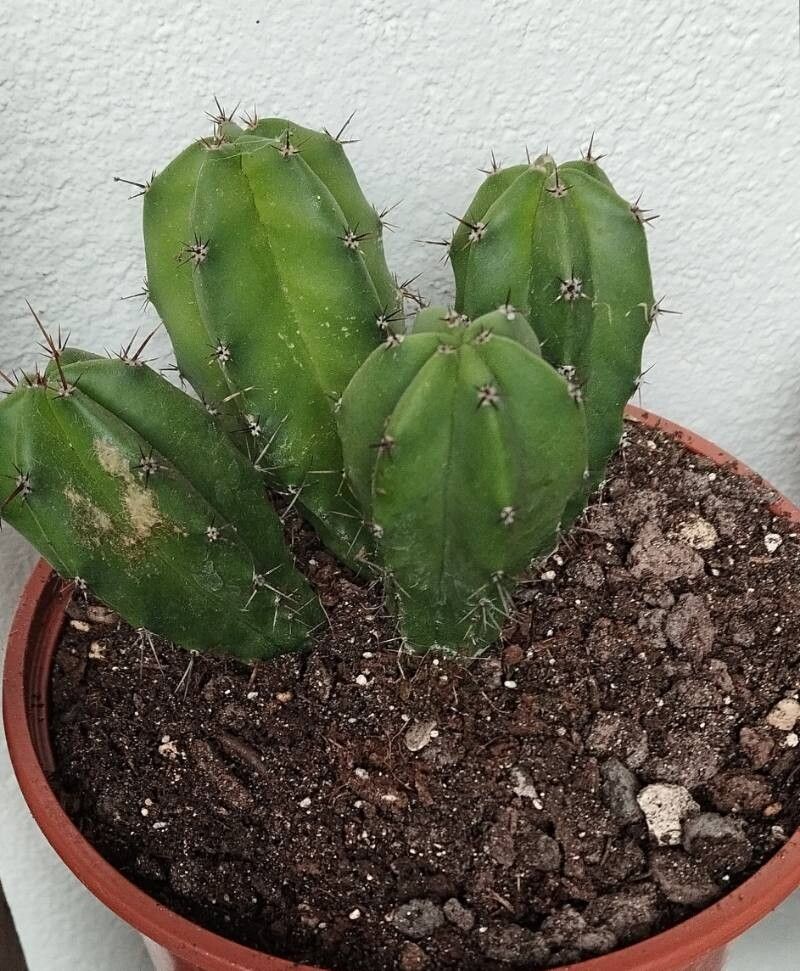
Oh, Polaskia chichipe! If you’ve ever seen one of these beauties, you know why they capture our hearts. With their striking columnar growth and fuzzy areoles, they add such a wonderful architectural element to a collection. Plus, the satisfaction of coaxing new life from an existing plant? That’s pure gardening gold.
Is it easy for beginners? Well, compared to a succulent cutting that roots overnight, Polaskia chichipe can be a bit more of a patient game. It’s not overly fussy, but it does require a touch more timing and the right conditions. Don’t let that deter you, though! With a little know-how, you’ll be well on your way.
The Best Time to Start
For Polaskia chichipe, spring and early summer are your golden windows. This is when the plant is actively growing, meaning it has the energy reserves to put into forming roots. Waiting until after the last frost is a good rule of thumb, especially if you plan to start your cuttings outdoors at any stage.
Supplies You’ll Need
Gathering your tools beforehand makes the whole process much smoother. Here’s what I find essential:
- Sharp, clean pruning shears or a knife: For making precise cuts.
- Well-draining potting mix: A cactus and succulent mix is perfect. I often add a bit of perlite or pumice for extra aeration.
- Rooting hormone (optional but recommended): This little helper significantly boosts your chances of success. Look for powdered or gel forms.
- Small pots or trays: Terracotta pots are great because they breathe.
- Gravel or perlite (for the bottom of pots): Helps with drainage.
- Watering can with a fine rose or a spray bottle: For gentle watering.
- Labels and a permanent marker: To keep track of your babies!
- A sunny, bright spot: But avoid direct, intense midday sun initially.
Propagation Methods
The most reliable way to propagate Polaskia chichipe is through stem cuttings. It’s straightforward, and you’re essentially taking a piece of the parent plant and encouraging it to grow its own roots.
- Select Your Cutting: Look for a healthy, mature stem segment on your plant. It should be at least 4-6 inches long. Gently twist or cut it away from the main stem. It’s best to use your sharpest shears for a clean cut.
- Let it Callus: This is a crucial step for cacti. Place the cut end of your stem upwards in a dry, well-ventilated spot away from direct sunlight for at least a week, or even two. You want a dry, callous-like scab to form over the wound. This prevents rot.
- Apply Rooting Hormone (Optional): Once calloused, dip the cut end into rooting hormone, tapping off any excess.
- Plant Your Cutting: Fill your small pot with your well-draining mix. You can add a layer of gravel or perlite at the bottom for extra drainage. Make a small hole in the center of the soil.
- Insert the Cutting: Gently insert the calloused end of the cutting into the soil, making sure it’s stable. You can use a small stake if needed to keep it upright.
- Initial Watering: Wait a few days after planting before watering. This gives the calloused end another chance to seal over in the soil. When you do water, do so sparingly. You want the soil to be slightly moist, not wet.
The “Secret Sauce” (Pro Tips)
Here are a few things I’ve learned over the years that can really make a difference:
- Don’t Overwater! This is the number one killer of cactus cuttings. Think of it like this: a plant without roots needs very little water. Allow the soil to dry out almost completely between waterings. This is especially important in the first few weeks.
- Bottom Heat is Your Friend: If you can, use a heated propagation mat under your pots. This gentle warmth encourages root development from below, mimicking ideal growing conditions. It’s not strictly necessary, but it does speed things up and improve success rates.
- The “Tap Test”: After a few weeks (and this can be anywhere from 4 to 12 weeks, depending on conditions!), when you think roots might have formed, gently try to tug on the cutting. If there’s resistance, congratulations! Roots are emerging. If it comes out easily, it likely hasn’t rooted yet.
Aftercare & Troubleshooting
Once you feel those first roots have taken hold (check with that gentle tug!), you can start watering a little more regularly, but still always let the soil dry out between waterings. Move your new plant into brighter, indirect light.
The biggest challenge you might face is rot. If you see the cutting becoming mushy, discolored, or collapsing, it’s a sign of too much moisture and often the start of root rot. If this happens, you might need to discard the cutting and start again, being extra careful with your watering this time. A shriveled or drying cutting, however, might just need a little more water or warmth, so observe carefully.
A Little Patience Goes a Long Way
Propagating Polaskia chichipe is a rewarding journey. It’s about observing, learning, and trusting the process. Don’t get discouraged if your first attempt doesn’t take off immediately. Each cutting is a little experiment, and you’ll learn something with every one. Enjoy the anticipation, and celebrate those tiny roots like the major victory they are! Happy growing!
Resource: