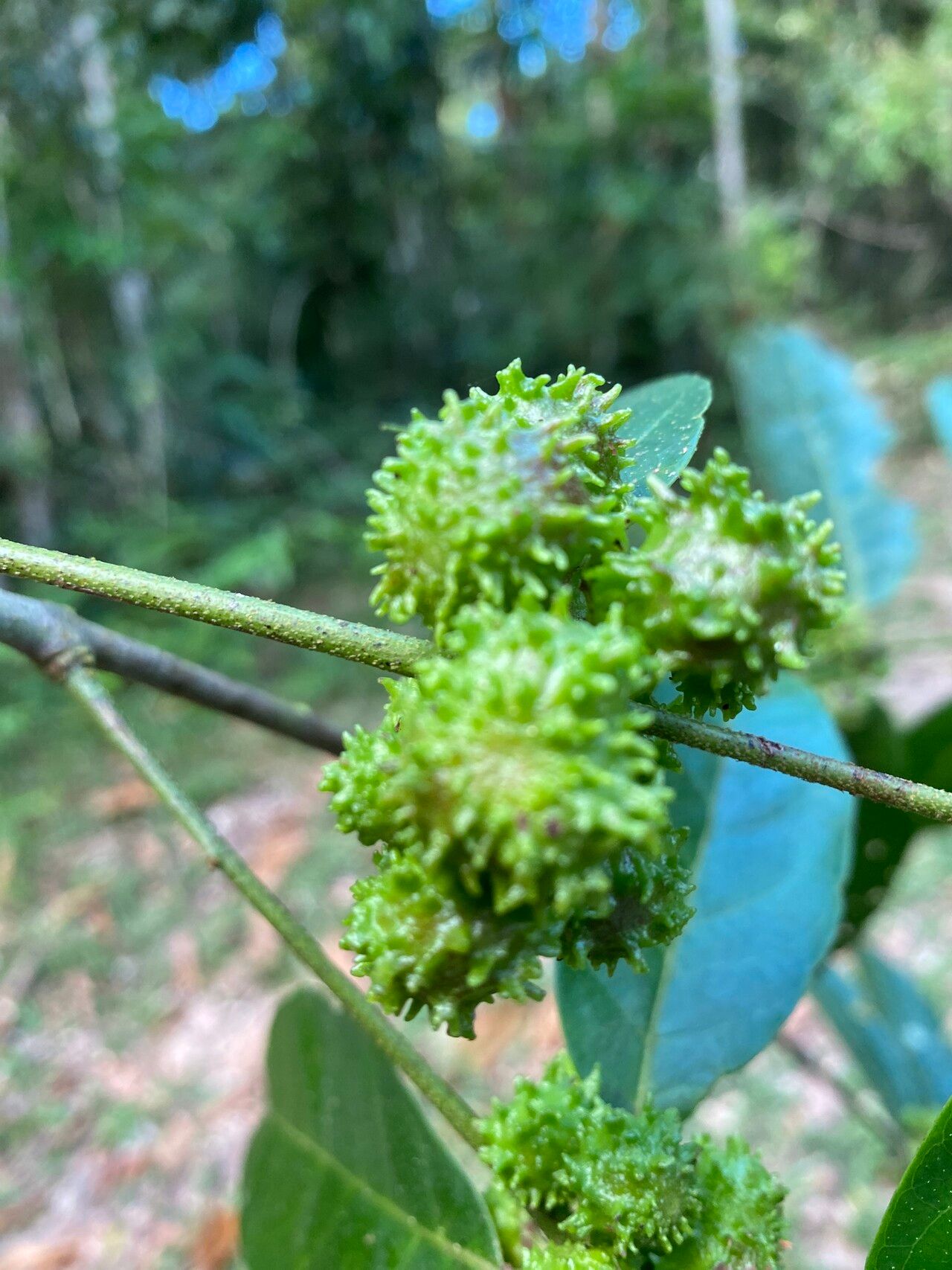
Oh, hello there, fellow plant lover! Grab a cup of your favorite brew, and let’s chat about a truly delightful plant: the Siparuna reginae, often called the “Queen of the Forest” or “Ginger-Scented Siparuna.” If you’ve ever had the pleasure of brushing past this beauty, you know that wonderful spicy, gingery aroma it releases. It’s an absolute gem for tropical and subtropical gardens, or even as a lush specimen in a bright conservatory. Now, the big question on your mind might be, is it easy to get more of these beauties? Well, I’m happy to report that while it’s not quite as straightforward as sticking a succulent leaf in the ground, propagating Siparuna reginae is absolutely achievable and incredibly rewarding. It’s a fantastic project for those of you who’ve mastered the basics and are ready for a little botanical adventure!
The Best Time to Start
For me, the sweet spot for propagating Siparuna reginae is usually late spring through early summer. This is when the plant is actively growing and has plenty of energy to put into developing new roots. You’re looking for stems that are mature but not woody – think of them as “semi-hardwood” cuttings. These are the ones that have set their growth for the season but are still flexible and vibrant enough to take hold. Avoid taking cuttings during extreme heat or when the plant is stressed.
Supplies You’ll Need
Having your tools at the ready makes the whole process so much smoother. Here’s what I like to have on hand:
- Sharp Pruning Shears or a Knife: Clean cuts are crucial for preventing disease.
- Rooting Hormone: A gentle dip can really give your cuttings a boost. I often use a powder or gel.
- A Well-Draining Potting Mix: A mix of perlite, peat moss, and coco coir works wonderfully. It keeps things airy and prevents waterlogged soil. You can also use a lightweight seedling mix.
- Small Pots or Trays: Clean pots are a must! Small propagation pots or even recycled yogurt cups with drainage holes will do.
- Plastic Bags or a Propagation Dome: This helps maintain high humidity around your cuttings, which is essential.
- Labels and a Marker: Always good to know what you’ve planted and when!
- Optional: Bottom Heat Mat: This can significantly speed up root development, especially if your indoor environment is a bit cooler.
Propagation Methods
I find that stem cuttings are the most reliable way to go with Siparuna reginae. It’s a tried-and-true method for many woody and semi-woody plants.
Stem Cuttings:
- Select Your Cuttings: Look for healthy, non-flowering stems that are about 4-6 inches long. Gently bend a stem; if it snaps cleanly, it’s likely ready. If it bends without breaking, it’s too soft. If it’s very stiff and snaps with a crack, it’s too old.
- Make the Cut: Using your sterilized pruning shears or knife, make a clean cut just below a leaf node (where a leaf attaches to the stem). This is where root hormones are often produced.
- Prepare the Cutting: Carefully remove the lower half to two-thirds of the leaves. This reduces water loss and prevents them from rotting in the soil. Leave a few leaves at the very top to help the cutting photosynthesize.
- Apply Rooting Hormone: Dip the cut end of the stem into your rooting hormone, making sure to coat the node area. Tap off any excess.
- Plant the Cuttings: Fill your clean pots with your well-draining potting mix. Make a small hole in the center of the soil with your finger or a pencil and gently insert the cut end of the stem. Firm the soil gently around it.
- Water Gently: Water thoroughly but gently to settle the soil around the cutting.
- Create a Humid Environment: Place the potted cutting into a clear plastic bag, creating a mini-greenhouse. You can secure it with a rubber band around the pot, or if using a propagation dome, simply place it over the pots. Ensure the leaves don’t touch the sides of the bag if possible. Place the pots in a spot with bright, indirect light.
The “Secret Sauce” (Pro Tips)
Now, for those little nuggets of wisdom that can make all the difference:
- Don’t Let the Leaves Touch the Water (If Water Propagating): While I primarily recommend soil cuttings for this plant, if you do decide to try water propagation with very young, soft stems, a crucial tip is to ensure no leaves are submerged. Rot sets in fast when leaves sit in stagnant water. Change the water every few days.
- Bottom Heat is Your Friend: Siparuna reginae loves a bit of warmth from below, especially when trying to root. Placing your pots on a bottom heat mat set to around 70-75°F (21-24°C) mimics ideal soil conditions and can dramatically speed up the rooting process. You might see roots forming in 4-8 weeks instead of 8-12.
- Be Patient with the Scent: Initially, the cuttings might not have that strong gingery scent. Don’t worry! As the plant grows and matures, that characteristic fragrance will develop. Focus on getting those roots established first.
Aftercare & Troubleshooting
Once you’ve planted your cuttings, keep that plastic bag on or the dome in place to maintain humidity. Check the soil moisture regularly; it should be consistently moist but never soggy. You’ll know your cutting has rooted when you see new leaf growth appearing. This usually takes anywhere from 6 weeks to a few months.
The most common issue you’ll encounter is rot. If a cutting turns black and mushy, or its leaves wilt dramatically and won’t perk up, it’s likely succumbed to rot. This is often caused by overwatering, poor drainage, or lack of airflow. If you see signs of rot, it’s best to discard the affected cutting. Sometimes, if only the very bottom has rotted, you can try to gently trim it off and re-pot, but often it’s a lost cause. Siparuna reginae can also be susceptible to fungal issues if the environment is too damp for too long. Good airflow is key!
A Encouraging Closing
Successfully propagating Siparuna reginae is a really satisfying accomplishment. It’s a testament to your growing skills and patience. Remember, gardening is a journey, and not every cutting will make it, but that’s part of the learning process. Enjoy the anticipation, celebrate every new leaf, and soon you’ll have more of these fragrant beauties to share or to enjoy yourself. Happy propagating!
Resource:
https://identify.plantnet.org/k-world-flora/species/Siparuna%20reginae%20(Tul.)%20A.DC./data