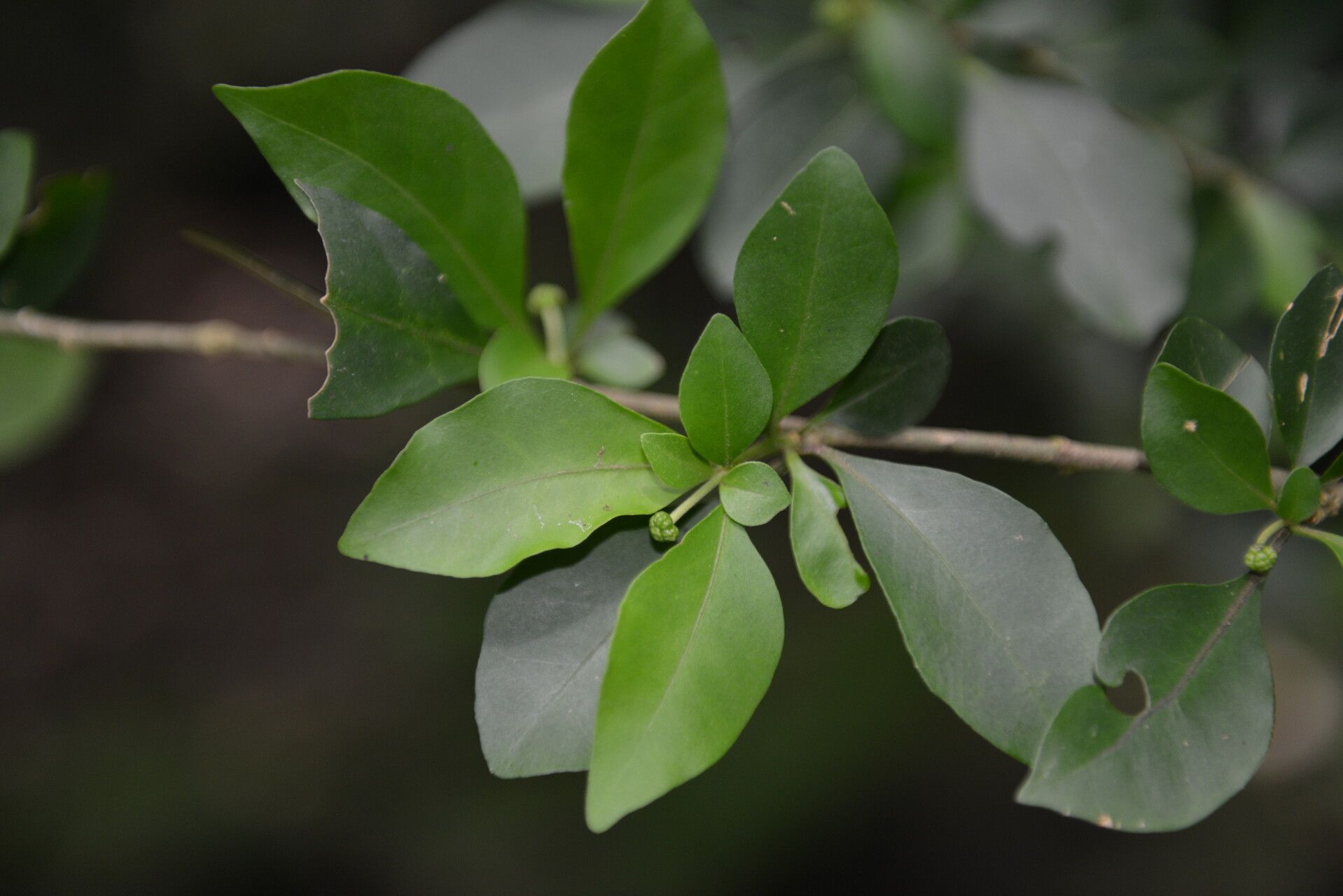
Hello there, fellow plant lovers! If you’re like me, you’ve probably fallen head over heels for the unique charm of Pisonia silvatica. Whether it’s its striking foliage or its architectural growth, this plant brings a special something to any space. And guess what? You can easily multiply that beauty yourself! Propagating Pisonia silvatica is a wonderful way to expand your collection, share with friends, or simply experience the magic of coaxing new life from existing plants. Now, for the good news: while it requires a little attention to detail, it’s not an impossible task, even for those just starting their plant-parenting journey.
The Best Time to Start
When you’re looking to create new baby Pisonias, timing is key. The spring and early summer are your golden ticket. This is when the plant is in its most vigorous growth phase. New growth is tender and eager to root, giving you the best chance of success. Think of it as the plant saying, “Yes, please! More me!”
Supplies You’ll Need
Before we dive in, let’s gather our toolkit. Having everything ready makes the process so much smoother.
- Sharp Pruning Shears or a Clean Knife: For taking clean cuts.
- Potting Mix: A well-draining mix is crucial. I often use a blend of peat moss, perlite, and a bit of regular potting soil. You can also find specific seedling mixes.
- Small Pots or Seedling Trays: Clean pots are essential to prevent disease.
- Rooting Hormone (Optional but Recommended): This can give your cuttings a nice boost.
- Plastic Bag or Dome: To create a mini-greenhouse effect.
- Watering Can or Spray Bottle: For gentle watering.
- Soft Labels: To keep track of your new babies.
Propagation Methods
Pisonia silvatica can be a bit finicky, but stem cuttings are generally the most reliable method. Let’s get our hands dirty!
Stem Cuttings
- Select Your Cuttings: Look for healthy, semi-hardwood stems on your existing plant. These are stems that are not brand new and leafy but also not super old and woody. Aim for cuttings that are about 4-6 inches long.
- Make the Cut: Using your sharp pruning shears or knife, make a clean cut just below a leaf node (where a leaf attaches to the stem). This is where roots are most likely to form.
- Prepare the Cutting: Gently remove the lower leaves, leaving just two or three at the top. If you’re using rooting hormone, dip the cut end into it now.
- Planting: Fill your clean pots with your prepared potting mix. Make a small hole with your finger or a pencil and gently insert the cut end of your Pisonia stem. Firm the soil gently around the stem to ensure good contact.
- Create the Humid Environment: Water the soil lightly. Then, cover the pot with a clear plastic bag or place it in a propagation box. This traps humidity, which is vital for cuttings that haven’t developed roots yet. Make sure the leaves don’t touch the inside of the plastic.
Water Propagation (Use with Caution!)
While some plants root beautifully in water, Pisonia silvatica can be prone to rot this way. If you want to try it, be extra vigilant.
- Take Cuttings: Follow steps 1 and 2 above for selecting and cutting.
- Remove Lower Leaves: Ensure no leaves will be submerged in the water. This is critical to prevent rot.
- Place in Water: Put the cuttings in a clean jar or vase filled with stagnant water (let tap water sit out overnight to dissipate chlorine). Make sure only the stem is in the water.
- Change Water Regularly: Change the water every few days to keep it fresh and oxygenated.
- Wait and Watch: It can take several weeks to see any root development. Once you have a good network of roots (about an inch long), you can carefully transplant them into your well-draining potting mix. Be very gentle with these delicate roots!
The “Secret Sauce” (Pro Tips)
Here are a few tricks I’ve learned over the years that really make a difference:
- Bottom Heat is Your Friend: Pisonia silvatica loves warmth. Placing your pots on a gentle heat mat designed for plant propagation can significantly speed up root development. It mimics the cozy soil conditions of spring.
- Patience with the Plastic: Don’t be tempted to immediately remove the plastic bag or dome once you’ve potted your cuttings. Keep it on for at least 2-3 weeks, or until you see clear signs of new growth emerging. This consistent humidity is a real game-changer.
- Watch the Soil Moisture: This is a delicate balance. You want the soil to be consistently moist but never waterlogged. Soggy soil is the fast track to rot. Check the soil by gently poking your finger in; if it feels dry an inch down, it’s time to water.
Aftercare & Troubleshooting
Once you see roots forming (you might see them peeking out the drainage holes, or new top growth is a good sign!), it’s time to adjust their care.
- Acclimatize Gradually: Slowly start to introduce your new plants to drier air. This means gradually opening the plastic bag or dome for longer periods each day over about a week.
- Watering: Water them as you would a mature plant, allowing the top inch of soil to dry out between waterings.
- Light: Place them in bright, indirect light. Avoid harsh, direct sun, which can scorch their tender new leaves.
- Troubleshooting: The most common issue is rot. If your stem turns black and mushy, it’s a sign of too much moisture and not enough air circulation. Unfortunately, rotten cuttings are usually beyond saving. If your cuttings simply aren’t rooting, it could be due to a lack of humidity, insufficient warmth, or just that the cutting wasn’t optimal to begin with. Don’t get discouraged; try again!
A Little Encouragement
Every gardener knows that propagation is an adventure. There will be successes, and there will be moments of learning. Be patient with your little Pisonias, and trust the process. The reward of nurturing a brand-new plant from a simple cutting is truly one of the most satisfying feelings in the gardening world. Happy propagating!
Resource:
https://identify.plantnet.org/k-world-flora/species/Pisonia%20silvatica%20Standl./data