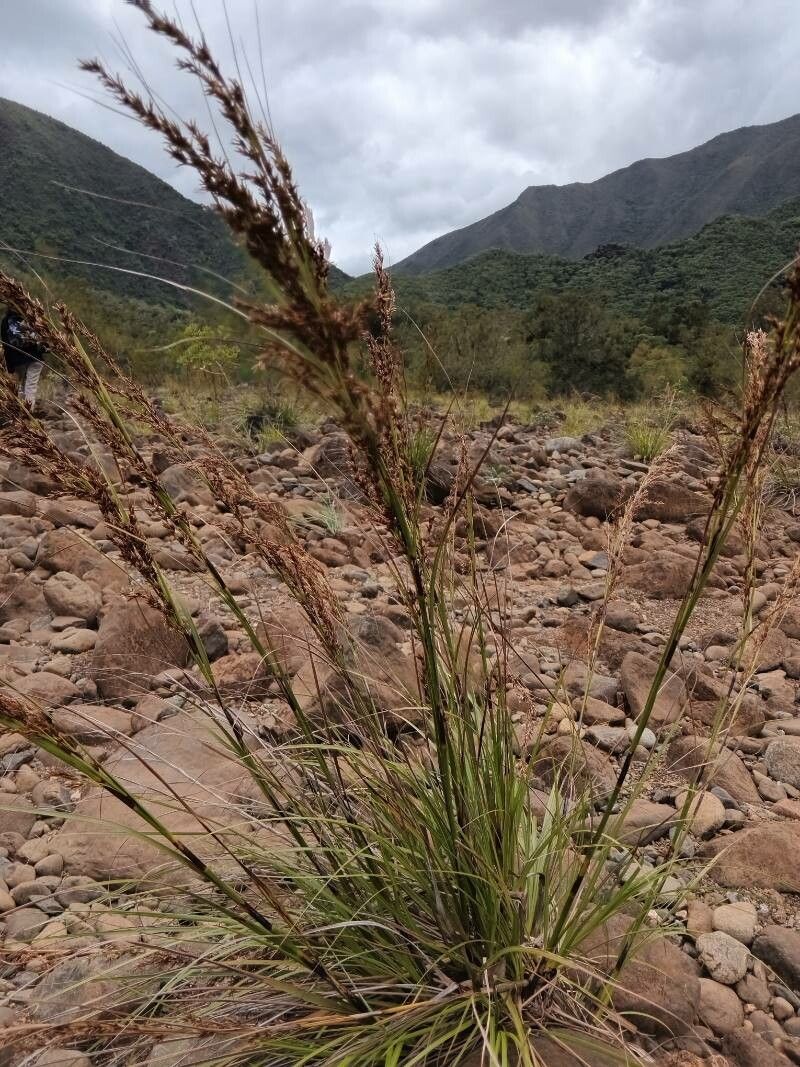
Hello, fellow plant lovers! It’s so wonderful to connect with you all again. Today, I want to dive into a plant that has truly captured my heart: Tetraria comosa. If you’re looking for a grass with architectural elegance and a wonderful, almost sculptural quality, then this is your gal. I’ve been growing and propagating Tetraria comosa for years, and let me tell you, it’s an incredibly rewarding experience to nurture a new life from an existing plant. Now, for the beginner gardener, I wouldn’t exactly call Tetraria comosa the easiest plant to start with, but with a little patience and the right approach, it’s absolutely achievable and so worth the effort.
The Best Time to Start
For the highest success rate with Tetraria comosa, timing is everything. I find the sweet spot is late spring to early summer. This is when the plant is actively growing, full of energy, and receptive to new beginnings. You want to take cuttings or divide the plant when it’s not stressed by extreme heat or cold. Think of it as giving your new plant the best possible start in its most vigorous season.
Supplies You’ll Need
Here’s what you’ll want to have on hand before we get our hands dirty:
- Sharp, clean pruning shears or a sharp knife: Essential for making clean cuts.
- Rooting hormone powder (optional but recommended): Gives your cuttings a helpful boost.
- Well-draining potting mix: A blend of perlite, coarse sand, and peat moss works wonders. You can also find specialized succulent or cactus mixes.
- Small pots or seedling trays: With drainage holes, of course!
- A spray bottle: For misting.
- Clear plastic bags or a propagator: To create a humid environment.
- A trowel or dibber: For making holes in the soil.
Propagation Methods
Tetraria comosa can be a bit particular, but I’ve found success with division and stem cuttings.
1. Division (My Preferred Method)
This is usually the most straightforward way to go for Tetraria comosa.
- Gently excavate: Carefully dig up your existing Tetraria comosa plant from its pot or the ground. Try to disturb the roots as little as possible.
- Inspect the roots: You’ll see that the plant naturally grows in clumps. Look for sections that have their own roots and a few shoots.
- The crucial cut: Using your clean knife or shears, carefully separate these clumps. You might need to gently tease the roots apart with your fingers. The goal is to ensure each new division has a healthy root system attached.
- Potting up: Plant each divided section into its own small pot filled with your well-draining mix. Water lightly.
2. Stem Cuttings
This method can be a little trickier but is very satisfying when it works!
- Select healthy stems: Look for strong, healthy stems that are at least 4-6 inches long. Avoid any that look weak or are flowering.
- Make the cut: Using your sharp shears, cut the stem just below a leaf node (where a leaf attaches to the stem).
- Prepare the cutting: Gently remove the lower leaves from the stem, leaving just a few at the top. This prevents them from rotting in the soil.
- Apply rooting hormone (optional): Dip the cut end into rooting hormone powder, tapping off any excess.
- Plant the cutting: Make a small hole in your pot filled with the well-draining mix using a trowel or dibber. Insert the cut end of the stem into the hole and gently firm the soil around it. Water lightly.
The “Secret Sauce” (Pro Tips)
Here are a few things I’ve learned over the years that really make a difference:
- Don’t overwater newly potted divisions or cuttings: This is probably the most common mistake. Tetraria comosa hates soggy feet. Water thoroughly after potting, then only water again when the top inch of soil feels dry to the touch.
- Humidity is key for cuttings: After planting your stem cuttings, tent the pots with a clear plastic bag or place them in a propagator. This creates a humid environment that encourages root development. Make sure the leaves aren’t touching the plastic.
- Bottom heat can speed things up: If you’re trying stem cuttings, placing the pots on a gentle heat mat can significantly speed up the rooting process. Tetraria comosa loves warmth to really get going.
Aftercare & Troubleshooting
Once your divisions have settled in or your cuttings show signs of new growth (a good indication roots are forming!), you can gradually reduce the humidity. If you used a plastic bag, slowly open it up over a few days.
The biggest challenge you might face is rot. If your cutting or division turns mushy and black, it’s likely due to overwatering. If this happens, try to salvage any healthy parts if possible, and let the soil dry out thoroughly before watering again. Yellowing leaves can sometimes indicate too much direct sun, so move it to a spot with bright, indirect light.
A Encouraging Closing
Propagating plants is a journey, and Tetraria comosa is no exception. Be patient with your new little sprouts. It might take weeks, or even a couple of months, for them to establish themselves. Don’t be discouraged if not every attempt is a roaring success. The joy is in the process, in nurturing life, and in watching your garden grow. Happy propagating!
Resource:
https://identify.plantnet.org/k-world-flora/species/Tetraria%20comosa%20(C.B.Clarke)%20T.Koyama/data