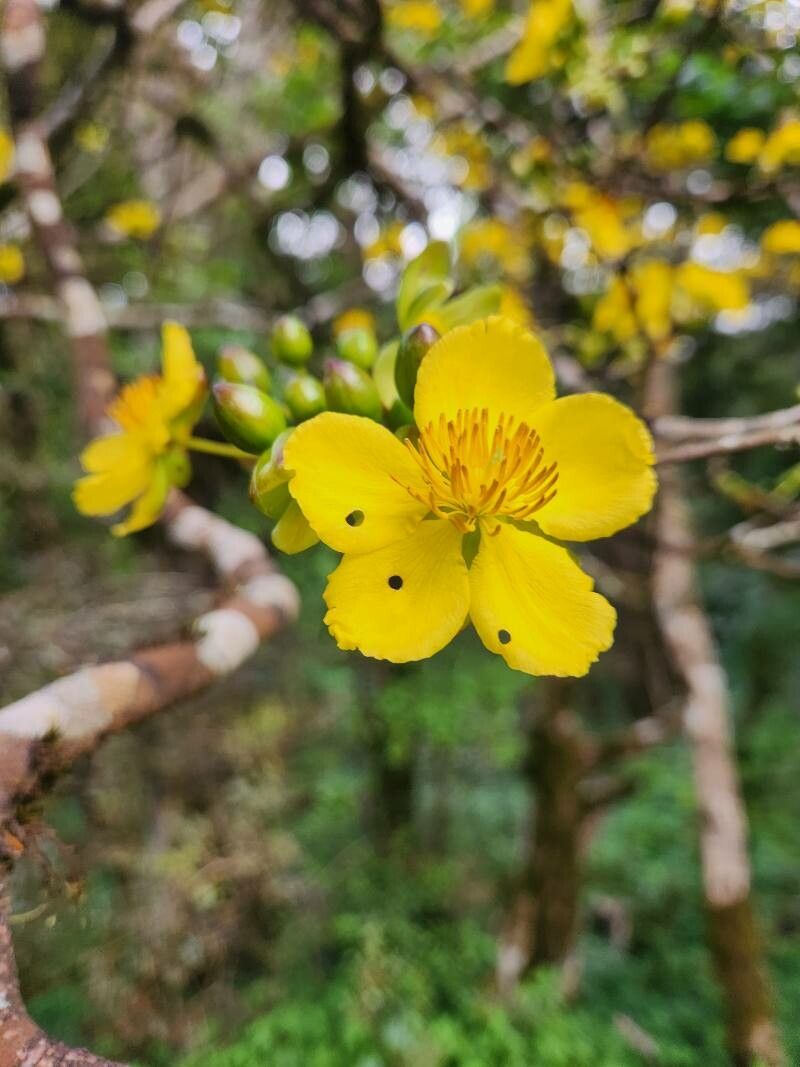
Oh, hello there! Come on in, grab a mug. Today, we’re going to chat about a plant that truly lights up the garden with its sunny disposition: Ochna integerrima, often called Mickey Mouse plant or Carnival ochna. Seeing those bright yellow flowers followed by those quirky, dark red calyces that resemble little Mickey ears… well, it’s just pure joy. And guess what? You can easily bring that joy to other parts of your garden (or share it with friends!) by propagating them. It’s a really rewarding process, and while it has its tricks, I wouldn’t call it outright difficult. Even most beginners can have success with a little care.
The Best Time to Start
When is the magic window for kicking off your Ochna propagation? I’ve found my best results come from taking cuttings in late spring or early summer, right when the plant is in its active growth phase. You want to use wood that’s neither brand new and super soft (too flimsy!) nor old and woody (too slow to root). Think of it as “semi-hardwood” – a good balance of flexibility and sturdiness.
Supplies You’ll Need
To get your Ochna propagation off to a flying start, here’s what I always have on hand:
- Sharp Pruning Shears or a Craft Knife: Clean cuts are key to preventing disease.
- Rooting Hormone: A little boost never hurts! I prefer the powder form.
- Potting Mix: A light, airy mix is crucial. I typically use a blend of equal parts perlite and peat moss, or a good quality seed-starting mix.
- Small Pots or Trays: Clean pots with drainage holes are a must.
- Plastic Bag or Humidity Dome: To keep those cuttings from drying out.
- Water: For misting and for any water propagation attempts.
- Labels and a Marker: So you don’t forget what you planted where!
Propagation Methods
Let’s get our hands dirty! Here are the methods I rely on for Ochna:
Stem Cuttings (My Go-To!)
This is my favorite and generally most successful way to propagate Ochna. It’s straightforward and yields great results.
- Select Your Cuttings: Find healthy, non-flowering stems on your mature Ochna. Look for that semi-hardwood growth I mentioned.
- Make Your Cuts: Using your sharp pruning shears, cut stems about 4-6 inches long. Make a clean cut just below a leaf node (the little bump where a leaf grows).
- Prepare the Cuttings: Gently remove the lower leaves. You want to leave just a couple of leaves at the top to help the cutting photosynthesize. If the remaining leaves are very large, you can even cut them in half horizontally to reduce water loss.
- Apply Rooting Hormone: Dip the cut end into your rooting hormone, tapping off any excess.
- Pot Them Up: Make a hole in your prepared pot with a pencil or your finger, then insert the cutting. Firm the soil gently around the base of the cutting to ensure good contact.
- Water and Cover: Water the pots thoroughly. Then, cover the entire pot and cutting with a plastic bag or a humidity dome. This creates a mini-greenhouse effect.
- Find a Good Spot: Place the pots in a bright location but out of direct, harsh sunlight. We want warmth and light, but not scorching heat.
Water Propagation (Quick Check for Roots)
This is a fun way to watch the roots develop, though I often transplant them to soil once they’re an inch or so long to avoid the shock of switching mediums.
- Prepare Your Cuttings: Follow steps 1-3 from the stem cutting method above.
- Place in Water: Fill a clean jar or glass with fresh water. Submerge the cut end of the stem, making sure no leaves are touching the water.
- Change Water Regularly: Change the water every few days to keep it fresh and prevent bacterial growth.
- Wait for Roots: You should start to see small white roots emerging from the submerged end within a few weeks.
- Transplant: Once the roots are about an inch long, carefully transplant them into your prepared potting mix as you would with the cuttings from the first method. Continue to keep them moist and covered for a while.
The “Secret Sauce” (Pro Tips)
Here are a few things I’ve learned over the years that really give your propagation efforts an edge:
- Bottom Heat is Your Friend: Ochna can be a bit slow to root, and frankly, they love a little warmth from below. Investing in a heat mat designed for seedlings can significantly speed up root development and increase your success rate for cuttings. Place your pots on top of it.
- Don’t Drown Your Cuttings: While we want to maintain humidity, standing water on the leaves or at the base of the cutting can lead to rotting. Ensure your potting mix is well-draining, and if using a plastic bag, tent it so it doesn’t directly touch the leaves. If you see condensation pooling heavily, open the bag for a few hours to let it air out.
- “Wiggle Test” Gently: After about 4-6 weeks, you can very gently tug on a cutting. If you feel slight resistance, that’s a good sign roots have formed! Don’t yank hard, though; we don’t want to disturb developing roots too much.
Aftercare & Troubleshooting
Once your Ochna cuttings have developed roots – hooray! – it’s time for them to transition to their next stage.
- Gradual Acclimatization: Slowly start to remove the plastic bag or humidity dome over a week or so. This helps the new plant adjust to lower humidity levels.
- Keep Them Moist: Continue to water them regularly, but allow the top inch of soil to dry out slightly between waterings. They don’t like to be waterlogged.
- First Potting Up: When they’re a bit bigger and have a good root system, you can transplant them into slightly larger pots with a good quality potting mix.
- Watch for Rot: The most common issue you might encounter is rot. If a cutting turns mushy, black, or seems to be collapsing, it’s likely rotting. This is usually due to too much moisture, poor drainage, or lack of airflow. If you catch it early, you might be able to salvage a healthy part of the stem further up, but often, it’s best to start again.
- No Roots? If after several weeks you see no signs of rooting or new growth, don’t despair! Not every cutting succeeds. Sometimes, the wood might have been too old or too young, or conditions weren’t quite right. Just try again with new cuttings when the time is right.
A Little Patience Goes a Long Way
Growing new plants from cuttings is a bit like watching children grow – it takes time, a little nurturing, and the occasional bit of fussing. But the satisfaction of seeing that tiny cutting transform into a thriving Ochna plant? Oh, it’s truly something special. So, give it a go! Enjoy the process, learn as you go, and soon you’ll have a whole collection of these delightful, sun-kissed blooms. Happy gardening!
Resource:
https://identify.plantnet.org/k-world-flora/species/Ochna%20integerrima%20(Lour.)%20Merr./data