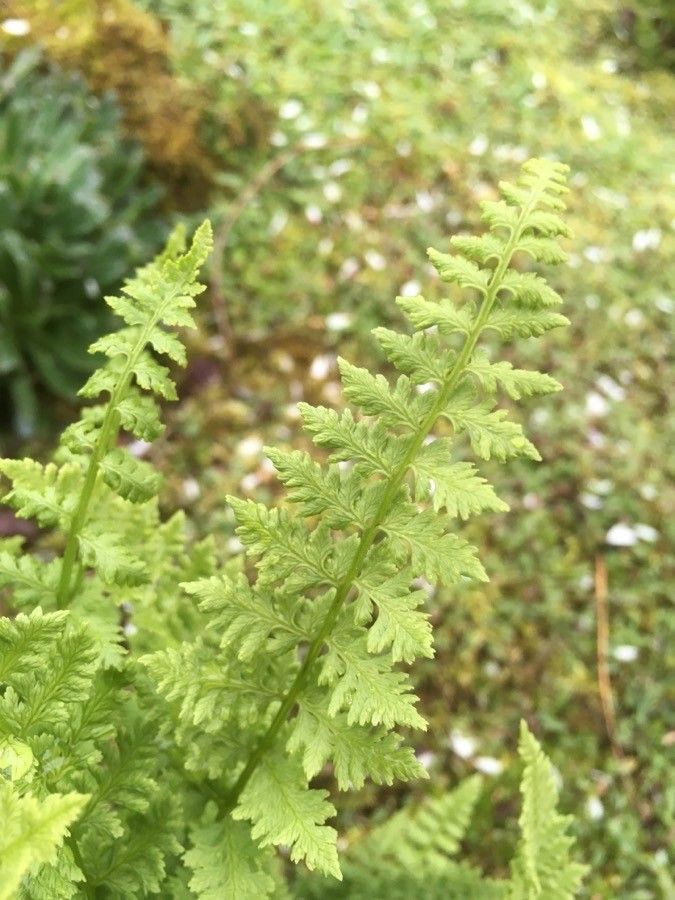
Oh, hello there! Come on in, grab a cup of something warm. I’ve been so excited to chat with you about Woodsia oregana, or as some of us affectionately call it, the Oregon Woodsia. Isn’t she a beauty? I just adore the delicate, feathery fronds of this native fern. Growing your own from a parent plant is incredibly rewarding, and honestly, it’s not as daunting as you might think. For those new to the fern world, it’s a wonderful plant to dip your toes into.
The Best Time to Start
My absolute favorite time to get busy with fern propagation is in the late spring or early summer. When the plant is actively growing and has plenty of energy, it’s much more receptive to new beginnings. You’ll see those fresh, unfurling fiddleheads – that’s your cue that the plant is ready to share its magic.
Supplies You’ll Need
Gathering your supplies is half the fun! Here’s what I always have on hand:
- Sharp pruning shears or a clean knife: For making precise cuts.
- Well-draining potting mix: A blend of peat moss, perlite, and a bit of sand works wonders. Some folks also like to add a sprinkle of orchid bark.
- Small pots or trays: For your new little fern babies.
- Mist bottle: Essential for keeping things humid.
- Clear plastic bags or a propagation dome: To create a mini greenhouse effect.
- (Optional) Rooting hormone: While not strictly necessary for Woodsia oregana, it can give new cuttings an extra boost.
Propagation Methods
Here are a couple of my go-to methods for coaxing a new Woodsia oregana into existence.
Division
This is probably the easiest and most successful method for this lovely fern. It’s like giving your mature plant a helpful haircut and getting bonus plants!
- Gently remove the parent plant from its pot. If it’s in the ground, carefully excavate around it.
- Inspect the root ball. You’re looking for sections that have their own healthy rhizomes (those root-like structures) and fronds.
- Using your clean knife or shears, carefully separate a division. Aim for a piece that has a good clump of roots and at least a couple of fronds.
- Pot up the new division in your well-draining mix. Make sure the top of the rhizome is just at the soil surface.
- Water gently but thoroughly.
Spores (For the Adventurous!)
Now, this is a bit more advanced and definitely requires patience, but it’s incredibly rewarding if you have the time and inclination. You’ll be growing a fern from scratch!
- Look for mature fronds on your plant that have sori underneath. Sori are those little dots or lines where the spores are.
- Carefully collect a few of these fronds or snip off the spore-bearing parts. Place them in a labeled paper bag or envelope.
- Leave them in a warm, dry place for a week or two. The spores should dry and fall out.
- Sterilize a shallow tray or pot. I like to use a mix of sterilized peat moss and perlite.
- Sprinkle the spores thinly over the surface of the soil. Do not bury them. They need light to germinate.
- Moisten the soil by misting gently.
- Cover the tray with a clear plastic bag or propagation dome. Place it in a bright spot, but out of direct sunlight.
- Keep the soil consistently moist (but not waterlogged!). This is crucial.
- Be patient! It can take weeks, even months, for tiny heart-shaped structures called gametophytes to appear. Eventually, tiny fernlets will emerge from these.
The “Secret Sauce” (Pro Tips)
Want to give your new Woodsia a real head start? Here are a couple of things I’ve learned over the years:
- The Humidity Hug: Once you have your divisions potted or your sporelings starting to grow, don’t let them dry out for a second. That plastic bag or dome isn’t just for show; it’s creating a humid haven. I often check them daily to ensure the soil is just perfectly moist.
- Air Circulation is Key (Once Established): While you want high humidity, don’t suffocate them forever. Once you see good root development or the sporelings are a bit bigger, start opening the plastic bag or dome for a few hours each day to allow for better air circulation. This helps prevent fungal issues.
Aftercare & Troubleshooting
Once you see signs of new growth, congratulations! That’s your cue that roots are forming. For divisions, continue to keep them well-watered and in bright, indirect light. For sporelings, the journey is longer, so continue that consistent moisture.
The most common enemy here is rot. If you notice fronds turning yellow and mushy, or the soil seems perpetually soggy, you might be overwatering. Let the top layer of soil dry out slightly between waterings. Another sign of trouble can be a lack of growth after a significant period. This could mean conditions aren’t quite right, or perhaps they just need more time. Don’t get discouraged!
A Encouraging Closing
Propagating plants is a dance. It requires observation, patience, and a little bit of trust in nature’s rhythm. Be gentle with your Woodsia oregana, pay attention to its needs, and celebrate every tiny sprout. Before you know it, you’ll have a little family of these beautiful ferns, and that’s a truly wonderful feeling. Happy gardening!
Resource:
https://identify.plantnet.org/k-world-flora/species/Woodsia%20oregana%20D.C.Eaton/data