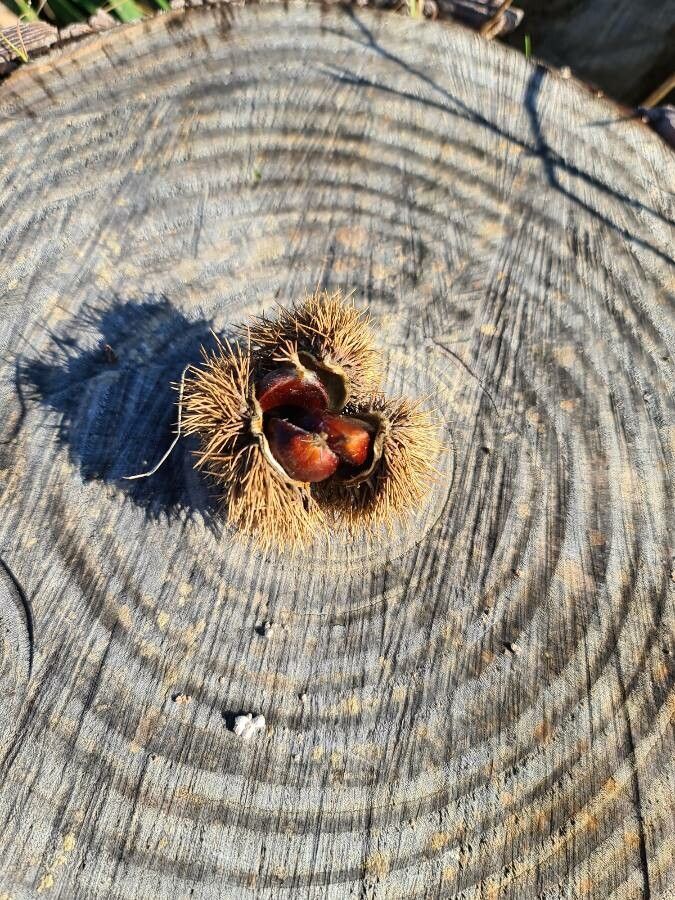
Oh, the majestic Sweet Chestnut! Castanea sativa. There’s something truly special about these trees. Their glossy, deeply veined leaves, the promise of those delicious edible nuts each autumn – it’s a wonderful connection to the earth. Growing them from scratch, from a little cutting or a seed, is incredibly rewarding. You’re essentially watching a future shade tree, a future pantry staple, spring to life in your own hands.
Now, as for beginners tackling chestnuts? I’d say it’s not the easiest plant to propagate, but it’s far from impossible! With a little patience and the right approach, you can absolutely have success. Think of it as a lovely gardening challenge that yields a really magnificent reward.
When to Get Your Hands Dirty
The most crucial time for propagating Castanea sativa is early spring, just as the sap starts to rise and new growth begins to emerge. This is when the plant is actively sending out energy to grow, making it more receptive to rooting. You’ll want to look for softwood cuttings, which are the flexible, new shoots that are still quite green and pliable.
Your Propagation Toolkit
Here’s what you’ll want to gather before you begin:
- Sharp, clean pruning shears or a knife: Essential for making clean cuts that heal better.
- Rooting hormone powder or gel: This is a big help in encouraging root development.
- Pots or trays with drainage holes: Good airflow and drainage are key.
- A sterile potting mix: I like a blend of perlite and peat moss or coco coir for good aeration and moisture retention. Avoid heavy garden soil.
- A clear plastic bag or a propagation dome: To maintain high humidity around your cuttings.
- Watering can with a fine rose: For gentle watering.
- Labels: To keep track of your projects!
Branching Out: Propagation Methods
For Castanea sativa, stem cuttings are generally the most successful route. Here’s how I do it:
- Select Your Cuttings: In early spring, find those vibrant, new shoots. Look for stems that are about 4-6 inches long and have at least a few sets of leaves. Make sure they are flexible, not woody.
- Take the Cuttings: Using your clean shears, make a clean cut just below a leaf node (where a leaf attaches to the stem). This is where roots are most likely to form.
- Prepare the Cuttings: Gently remove the leaves from the bottom half of the cutting. You don’t want any foliage submerged in water or soil later, as this can lead to rot. If the remaining leaves are very large, you can snip them in half to reduce water loss.
- Apply Rooting Hormone: Dip the cut end of the stem into your rooting hormone. Tap off any excess.
- Plant Your Cuttings: Fill your pots or trays with your prepared potting mix and moisten it thoroughly. Make small holes with a pencil or your finger, and insert the base of each cutting. Gently firm the soil around the stem.
- Create a Humid Environment: Cover the pots or trays with a clear plastic bag, making sure the leaves don’t touch the plastic. You can use stakes to keep the bag elevated. Alternatively, a propagation dome works beautifully. Place the pots in a bright location but out of direct sunlight.
The “Secret Sauce”: Insider Tips
- Bottom Heat is Your Friend! Chestnuts, like many woody plants, really appreciate a little warmth from below. If you have a heated propagator mat, place your pots on it. It significantly speeds up root formation. But don’t overheat it – a gentle warmth is all you need.
- Humidity is King (and Queen!): I can’t stress enough how crucial humidity is. These cuttings are basically cut off from their water source. The plastic bag or dome creates a mini-greenhouse. Check it daily for condensation. If there’s too much, vent it for a bit. If there’s none, mist the inside of the bag lightly.
- Patience is a Virtue, Especially with Hardwood: While I’m focusing on softwood cuttings here, if you ever decide to try hardwood cuttings (taken in late fall/winter from dormant wood), be prepared for an even longer wait. They are slower to root and often won’t show signs of life for many months.
Nurturing New Growth & What to Watch For
Once your cuttings have been potted, check them regularly. You’ll know they’re rooting when you feel a gentle tug when you lightly pull on the stem. This usually takes anywhere from 4-8 weeks, but can sometimes take longer.
Once roots have formed, you can start to gradually acclimate them to normal humidity. Slowly loosen the plastic bag or vent the dome over a week or two. Then, you can transplant them into individual pots. Continue to keep them in a bright spot, out of direct sun, and water them gently when the top inch of soil begins to dry.
The main thing to watch out for is rot. If your cuttings start to look mushy, black, or develop mold, it’s usually a sign of too much moisture and poor air circulation. If you see this early on, you might be able to salvage it by removing affected parts and improving drainage or airflow. If it’s widespread, it might be time to start again.
Go Forth and Grow!
Propagating Castanea sativa is a journey. There will be times you nail it, and times where things don’t quite work out. That’s all part of the gardening dance! Don’t be discouraged if your first attempt isn’t a roaring success. Keep observing, keep learning, and most importantly, enjoy the process of coaxing new life from a cutting. Happy growing!
Resource:
https://identify.plantnet.org/k-world-flora/species/Castanea%20sativa%20Mill./data