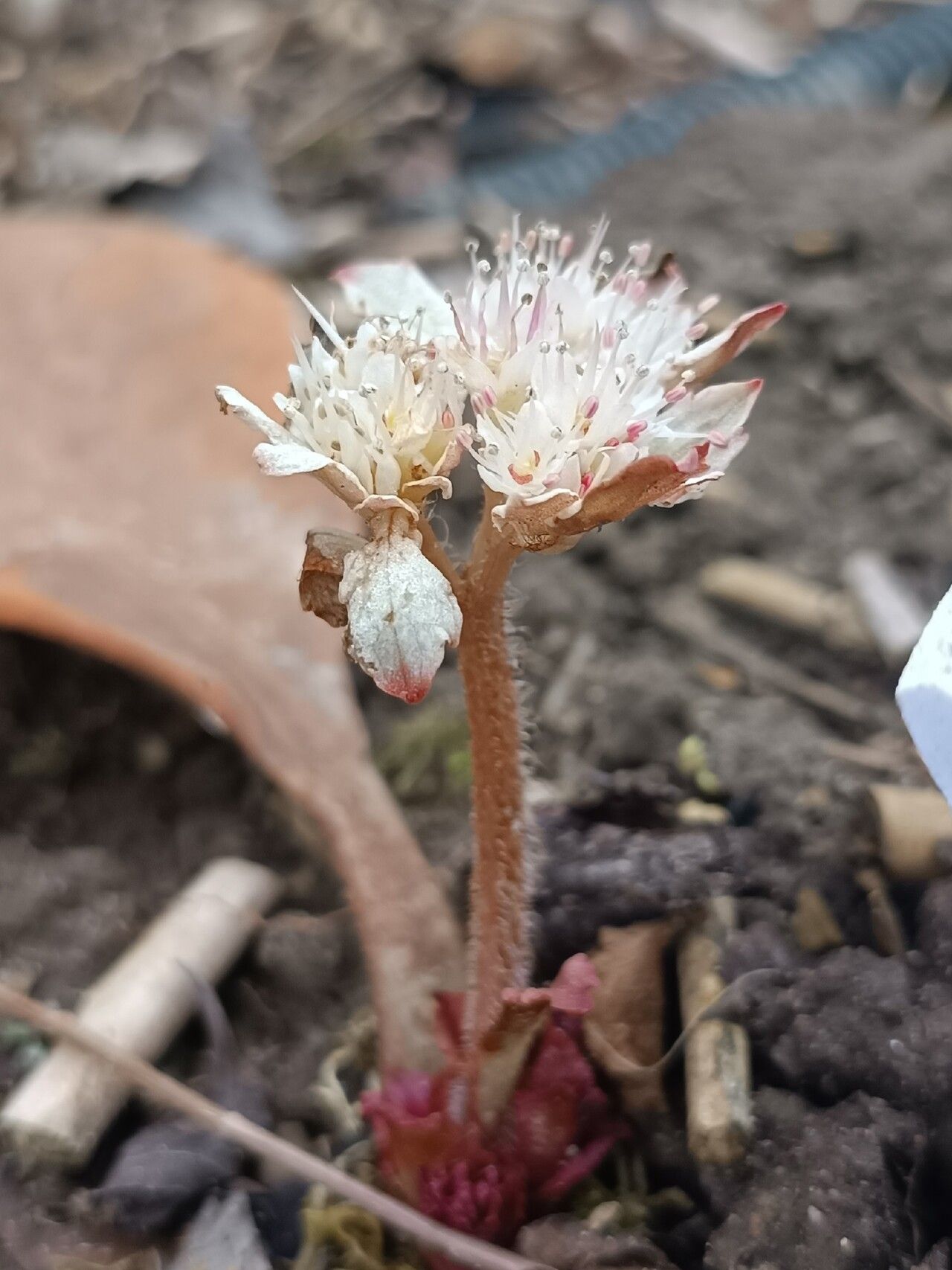
Hello there, fellow garden enthusiasts! I’m so excited to chat with you today about one of my favorite little gems in the shade garden: Chrysosplenium macrophyllum, or as I affectionately call it, the Golden Saxifrage. If you’re looking for a charming, low-growing groundcover that brings delicate beauty to shady spots, this is your plant! Its rounded, heart-shaped leaves, often with a lovely bronze hue, really light up those dimmer corners.
And the best part? Propagating it is a wonderfully rewarding endeavor. It’s a plant that’s quite generous with its offspring, making it a fantastic choice even if you’re relatively new to the propagation game. Don’t be intimidated; this is a journey we can definitely take together.
The Best Time to Start
For the highest success rate with Chrysosplenium macrophyllum, I find that late spring to early summer is absolutely ideal. This is when the plant is actively growing and has plenty of energy to put into new roots. You can usually tell it’s prime time when you see new, vibrant growth emerging on your established plants.
Supplies You’ll Need
Gathering your supplies beforehand makes the process smooth and enjoyable:
- Sharp pruning shears or a clean sharp knife: For making clean cuts.
- Small pots or seedling trays: With drainage holes, of course!
- Well-draining potting mix: A good blend of peat moss or coco coir with perlite or sharp sand works wonders. I often use a seed starting mix as it’s fine and sterile.
- Rooting hormone (optional but helpful): A powder or gel can give your cuttings a helpful boost.
- A watering can or spray bottle: For gentle watering.
- Plastic bags or a clear dome: To create a humid environment for cuttings.
- Labels and a marker: To keep track of what you’ve planted.
Propagation Methods
Chrysosplenium macrophyllum is most easily propagated through stem cuttings and division. Let’s dive into each one.
Stem Cuttings
This is my go-to method for a quick increase in plant numbers.
- Select healthy stems: Look for non-flowering stems that are about 3-4 inches long. They should be firm, not floppy.
- Make the cut: Using your clean shears, make a clean cut just below a leaf node (the point where a leaf attaches to the stem). This is where roots typically emerge.
- Prepare the cutting: Gently remove the lower leaves from the stem, leaving only 2-3 leaves at the top. This prevents them from rotting when buried.
- Dip in rooting hormone (optional): If you’re using rooting hormone, dip the cut end into the powder or gel. Tap off any excess.
- Plant the cutting: Fill your small pots or trays with the potting mix. Make a small hole with your finger or a pencil.
- Insert the cutting: Gently place the cut end into the hole, ensuring at least one leaf node is buried beneath the soil surface.
- Water gently: Water the soil thoroughly but gently. You don’t want to dislodge your cuttings.
- Create humidity: Cover the pot or tray with a plastic bag or a clear dome. This traps moisture, which is crucial for cuttings to root. Make sure the bag doesn’t directly touch the leaves of the cuttings if possible.
- Place in bright, indirect light: Find a warm spot that doesn’t get direct sun, which can scorch the delicate cuttings.
Division
This method is fantastic if your established plants are looking a bit crowded.
- Gently unearth the plant: Carefully dig up your Chrysosplenium macrophyllum, trying to disturb the roots as little as possible.
- Identify natural divisions: Look for sections of the plant where new shoots are emerging from the main root ball.
- Separate the divisions: With clean hands or a trowel, carefully pull or cut the plant apart into smaller sections. Each division should have roots and at least one or two stems.
- Replant immediately: Pot up the divisions into well-draining soil, just as you would a newly purchased plant. Water them in well.
The “Secret Sauce” (Pro Tips)
Here are a few little tricks I’ve learned over the years that can really make a difference:
- Don’t let leaves touch the water (when water propagating): If you decide to try water propagation (which is also an option for Golden Saxifrage, though I prefer soil), make absolutely sure that no leaves are submerged. Any leaves sitting in water are prime candidates for rot.
- Use bottom heat: For stem cuttings, placing your pots on a heat mat designed for seedlings can significantly speed up root formation. It mimics the warmth of summer soil and gives those roots a real nudge.
- Air circulation is key: While you want to maintain humidity, it’s also important to give your cuttings a little fresh air daily. Lift the plastic bag or dome for a few minutes each day to prevent fungal issues from developing.
Aftercare & Troubleshooting
Once you see signs of new growth – tiny leaves unfurling or resistance when you gently tug on a cutting – you’re likely on your way to success!
- Gradually acclimate: Once roots are well-established, slowly start to reduce the humidity. Gradually open the plastic bag or dome for longer periods over a week or so before removing it entirely.
- Continue gentle watering: Keep the soil consistently moist but not waterlogged. Overwatering is the quickest way to kill a new cutting or division.
- Watch for rot: The most common problem is rot, which often looks like mushy, blackened stems or leaves. This is usually a sign of too much moisture and not enough air circulation. If you see this, act fast! Remove the affected parts and try to let the soil dry out a bit more.
- Signs of dehydration: If your cuttings look wilted and the soil is dry, they might be dehydrated. Give them a good watering and ensure that humidity is maintained.
A Little Patience Goes a Long Way
Propagating plants is a journey of observation and a little bit of faith. Don’t be discouraged if not every single cutting takes. Sometimes the conditions just aren’t quite right, or a particular stem wasn’t happy. The important thing is to keep trying, learning from each attempt, and enjoying the process. Soon you’ll have a whole new patch of cheerful Golden Saxifrage to share or enjoy! Happy gardening!
Resource:
https://identify.plantnet.org/k-world-flora/species/Chrysosplenium%20macrophyllum%20Oliv./data