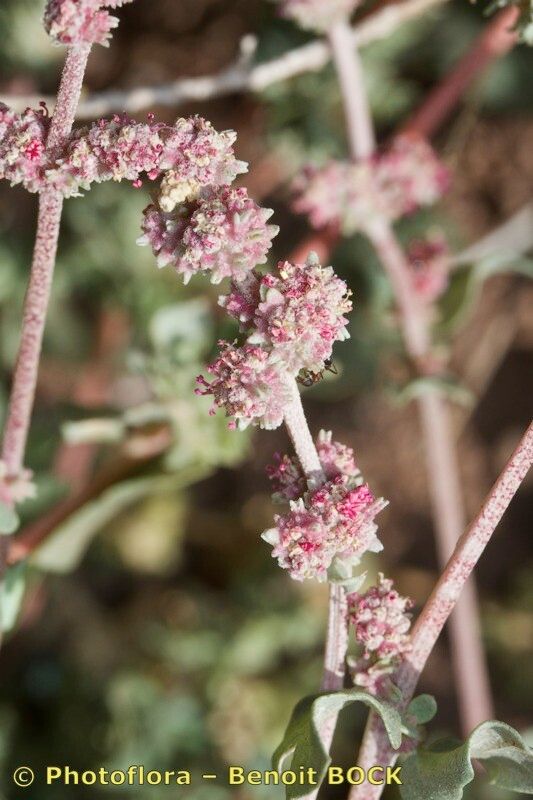
Hello, fellow garden enthusiasts! Today, we’re diving into the fascinating world of Atriplex colerei, a plant that truly sings with unique texture and subtle beauty. If you’ve ever admired its silvery foliage or its architectural form in a friend’s garden (or maybe even your own!), you’re in luck. Propagating this gem is not only achievable but incredibly rewarding. It’s a fantastic way to expand your collection or share these special plants with others. For beginners, I’d say it’s moderately easy – with a little guidance, you’ll be well on your way!
The Best Time to Start
My favorite time to tackle propagation for Atriplex colerei is in late spring to early summer. This is when the plant is in its active growth phase, meaning it’s bursting with energy and eager to send out new roots. You’re looking for stems that are firm but not yet woody. Think of a plant that’s really waking up and stretching after the cool season.
Supplies You’ll Need
Here’s what I like to have on hand before I get started:
- Sharp pruning shears or a clean knife: For taking cuttings.
- Rooting hormone (optional but recommended): A powder or gel to give your cuttings an extra boost.
- Well-draining potting mix: I usually go for a blend of perlite, coarse sand, and a good quality potting soil. About a 1:1:1 ratio works wonders.
- Small pots or trays: Clean containers are essential to prevent disease.
- Watering can with a fine rose: For gentle watering.
- Plastic bags or a propagator lid: To create a humid environment.
- Labels: To keep track of your success (and failures!).
Propagation Methods
I find stem cuttings to be the most reliable method for Atriplex colerei.
-
Take Your Cuttings: On a mild day, select healthy, non-flowering stems that are about 4-6 inches long. Using your sharp shears, make a clean cut just below a leaf node. Remove the lower leaves, leaving just a few at the top. This reduces water loss and prevents leaves from rotting in the soil.
-
Prepare the Cuttings: If you’re using rooting hormone, dip the cut end of each stem into the powder or gel. Tap off any excess.
-
Planting: Fill your pots or trays with your well-draining potting mix. Make a small hole in the center of each pot with your finger or a pencil. Gently insert the cut end of the stem into the hole, ensuring at least one leaf node is below the soil surface. Firm the soil gently around the stem.
-
Create Humidity: Water the soil thoroughly but gently. Then, place a plastic bag over the pot, securing it with a rubber band, or cover the tray with a propagator lid. This will create a mini greenhouse effect, keeping the humidity high.
-
Find the Right Spot: Place the pots in a bright location that receives indirect sunlight. Too much direct sun can scorch the delicate cuttings.
The “Secret Sauce”
Here are a couple of little tricks I’ve learned over the years that really make a difference:
- Avoid leaf-to-soil contact: It’s absolutely crucial that no leaves are touching the potting mix. If a lower leaf happens to dip down, trim it off. This is a prime spot for rot to set in.
- Bottom heat is your friend: If you have a seedling heat mat, placing your pots on it can significantly speed up root development. It mimics the warmth of spring soil and gives those cuttings the encouragement they need.
Aftercare & Troubleshooting
Once your cuttings are planted, keep the soil consistently moist but not waterlogged. Check the soil moisture by gently touching the surface. If it feels dry, give it a light watering. You’ll want to air out the cuttings for a few minutes each day to prevent fungal issues.
You’ll know your cuttings have rooted when you see new growth appearing from the top. You can also give a very gentle tug; if there’s resistance, roots have formed! Once they’re well-rooted, you can gradually acclimate them to outdoor conditions by removing the plastic bag for longer periods each day.
The most common problem you might encounter is rot. If you see a cutting turning mushy and black, it’s usually a sign of too much moisture and not enough air circulation. If this happens, unfortunately, that cutting is likely lost. Remove it immediately to prevent it from affecting others.
Happy Propagating!
Don’t be discouraged if not every cutting succeeds. Gardening is all about learning and experimenting. Be patient, observe your plants, and enjoy the process of bringing new life into your garden. Happy propagating!
Resource:
https://identify.plantnet.org/k-world-flora/species/Atriplex%20colerei%20Maire/data