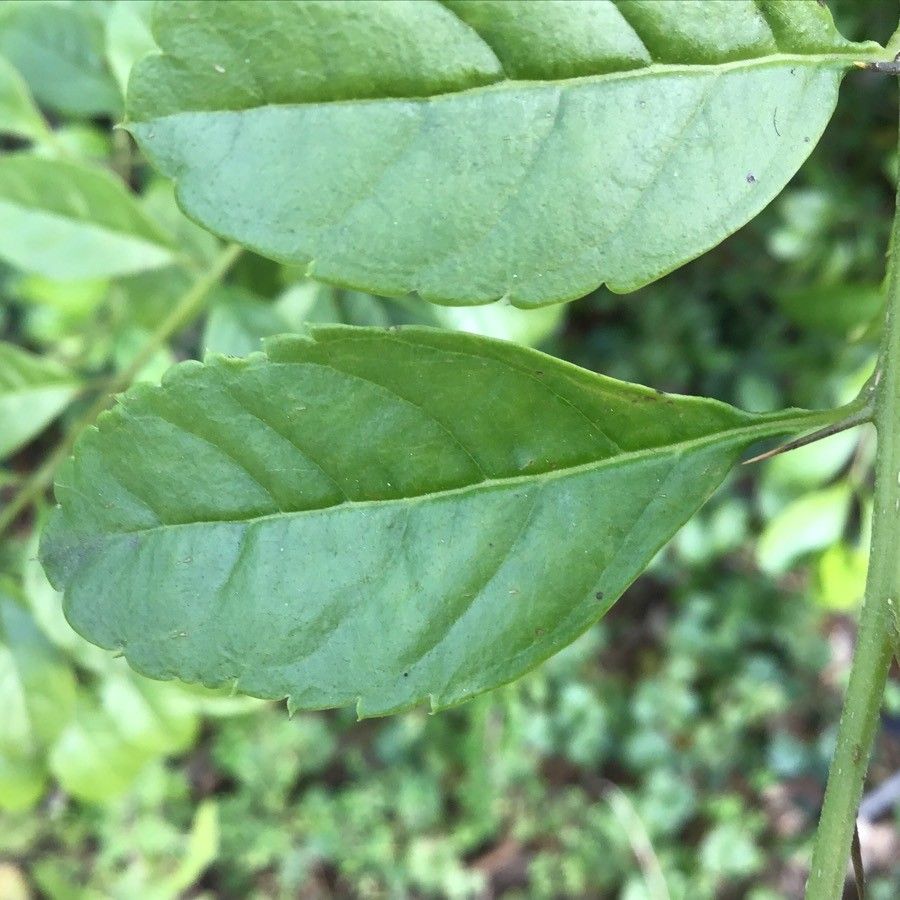
Hey there, fellow garden lovers! I’m so excited to chat with you today about a plant that brings a little splash of sunshine into any garden: Duranta mutisii. You know, those vibrant, glossy green beauties with those stunning blue flowers, often followed by charming little berries? They’re just delightful, aren’t they? And the best part? You can easily bring more of that joy into your own space by propagating them. If you’re new to the plant parent game, don’t worry. Duranta is quite forgiving, making it a wonderful plant to practice your propagation skills on.
When is the Perfect Moment to Start?
Timing is everything in the garden, and for Duranta mutisii, late spring to early summer is usually your sweet spot. This is when the plant is actively growing, full of energy, and ready to put out new shoots that will root beautifully. You’re looking for stems that are firm but not yet woody. Think of them as being in their prime – not too soft, not too tough.
Gather Your Garden Arsenal
Before we get our hands dirty, let’s make sure we’re equipped. Here’s what you’ll want to have on hand:
- Sharp Pruning Shears or a Craft Knife: For clean cuts.
- Rooting Hormone (Optional, but Recommended): A little boost can make a big difference. I like to use a powder for cuttings.
- A Well-Draining Potting Mix: Something light and airy. A good blend is about 50% peat moss or coco coir and 50% perlite or coarse sand.
- Small Pots or Seedling Trays: With drainage holes, of course!
- Plastic Bags or a Clear Dome: To create a humid environment.
- Water: For misting and watering.
- Rubbing Alcohol: To sterilize your tools between cuts.
Bringing New Durantas to Life
The most straightforward way to propagate Duranta mutisii is through stem cuttings. Here’s how we’ll do it:
- Take Your Cuttings: Select healthy, non-flowering stems from your established Duranta plant. Using your sterilized shears, take cuttings that are about 4 to 6 inches long. Make the cut just below a leaf node (where a leaf attaches to the stem). Remove any lower leaves, leaving just two or three at the top.
- Prepare for Rooting: If you’re using rooting hormone, dip the cut end of the stem into the powder. Just a light coating is all you need.
- Plant Your Cuttings: Fill your small pots or trays with your potting mix. Make a small hole in the center with your finger or a pencil. Gently insert the cut end of your Duranta cutting into the hole, ensuring the leaves aren’t touching the soil. Firm the soil around the base of the cutting.
- Create a Humid Haven: Water the soil gently. Then, cover the pots with a clear plastic bag, creating a mini-greenhouse. You can use stakes to keep the bag from touching the leaves. Alternatively, a clear plastic dome works perfectly.
- Find a Cozy Spot: Place your pots in a bright location that gets indirect sunlight. Avoid direct sun, which can scorch your new cuttings.
The “Secret Sauce” – Insider Tips from My Garden
Now, for a couple of little tricks I’ve learned over the years that really make a difference for Duranta cuttings:
- Bottom Heat is Your Friend: If you have the option, placing your pots on a heating mat can significantly speed up root development. The gentle warmth encourages those roots to get going. It’s like giving them a cozy little spa treatment!
- Don’t Drown Them! While they need humidity, overwatering is the quickest way to send your cuttings to the compost bin. The soil should be consistently moist, but not soggy. If you see water pooling, that’s a sign you’ve gone too far. A good misting of the leaves every few days when you open the bag can also help keep them happy.
Nurturing Your New Sprouts & What to Watch For
Once you start seeing new leaf growth, that’s a fantastic sign! It means roots are forming. Gently try to tug on a cutting; if there’s resistance, the roots are developing.
- Gradual Acclimation: Once you see healthy new growth, slowly start to acclimate your cuttings to normal room humidity. Open the plastic bag for longer periods each day over a week.
- First Waterings: Continue to water them as needed, keeping the soil lightly moist. Avoid letting them dry out completely.
- Troubleshooting: The most common issue you’ll face is rot. If a cutting turns black and mushy, it’s usually a sign of too much moisture and not enough air circulation. This is why a well-draining mix and careful watering are so crucial. Sometimes, unfortunately, a cutting just doesn’t take – don’t get discouraged; just try again!
Happy Propagating!
Seeing a tiny new plant emerge from a simple cutting is one of the most rewarding feelings in gardening. Be patient, enjoy the process, and before you know it, you’ll have a whole cluster of beautiful Duranta mutisii plants to share with friends or to fill your own garden with their charm. Happy gardening!
Resource:
https://identify.plantnet.org/k-world-flora/species/Duranta%20mutisii%20L.f./data