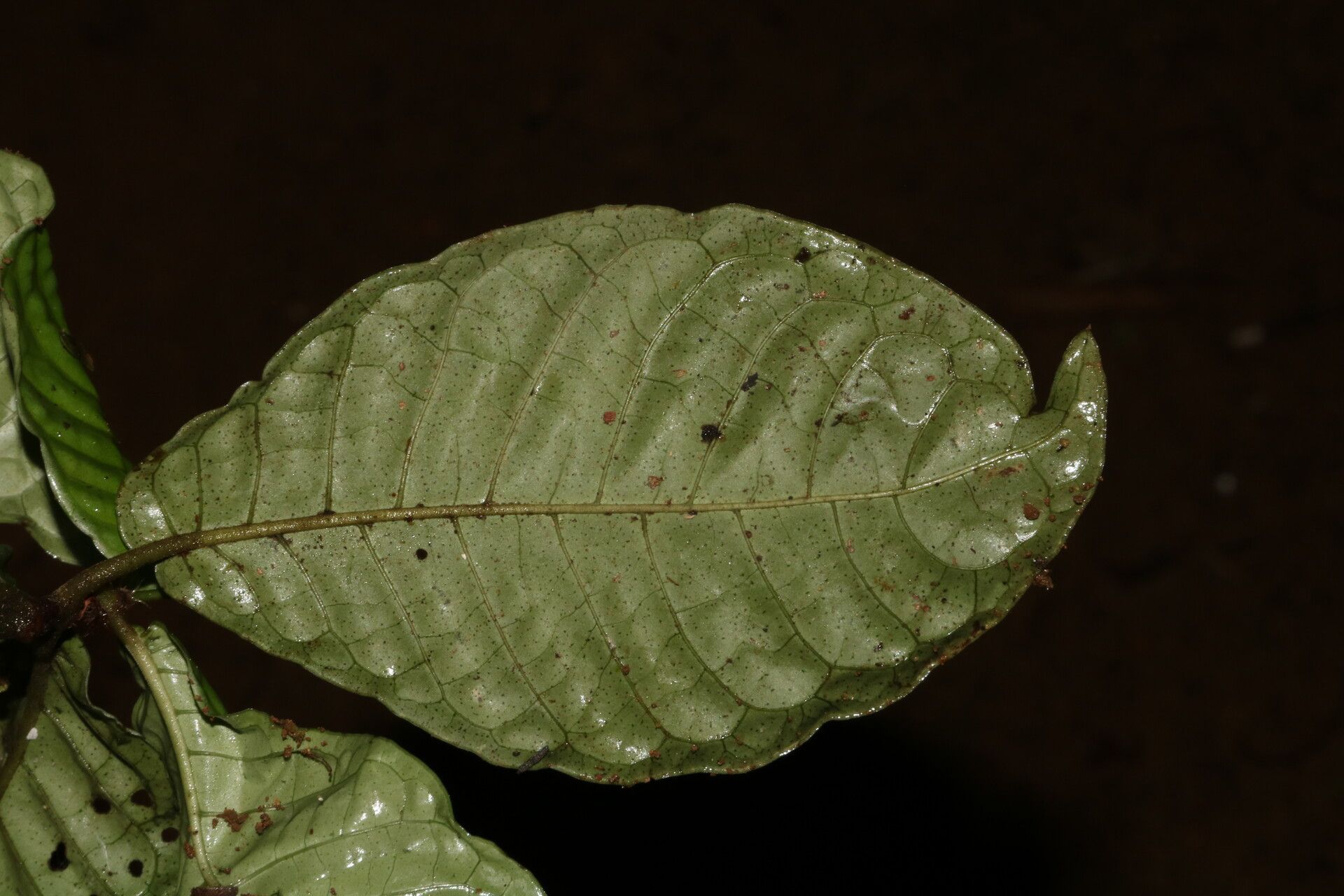
Hello, fellow plant lovers! I’m so excited to talk to you today about a truly special plant: Psychotria brandneriana. If you’ve seen this beauty, you know why it’s so captivating. Those glossy, deep green leaves and the promise of delicate blooms make it a real showstopper. And the best part? You can bring more of this magic into your home by propagating it yourself. While it might not be the absolute easiest plant to start with for a complete beginner, with a little patience and the right guidance, it’s an incredibly rewarding journey. Let’s get those green thumbs busy!
When is the Best Time to Start?
For Psychotria brandneriana, your best bet is to propagate during its active growing season. This typically means spring and early summer. You’ll want to look for new, vigorous growth on your existing plant. This new material is generally more responsive to rooting and has a higher chance of success. Avoid taking cuttings from stressed or dormant plants; they just won’t have the energy to put into developing roots.
What You’ll Need for Success
Gathering your supplies beforehand makes the whole process smoother. Here’s what I usually have on hand:
- Sharp Pruning Shears or a Clean Knife: For clean cuts that heal quickly.
- Rooting Hormone Powder or Gel: This isn’t strictly mandatory but can significantly boost your success rate.
- Well-Draining Potting Mix: A blend of peat moss, perlite, and a bit of coco coir works wonderfully. You want something that holds moisture but doesn’t become waterlogged.
- Small Pots or Seedling Trays: Clean pots are essential to prevent disease.
- Clear Plastic Bag or Dome: To create a humid environment for your cuttings.
- Watering Can or Spray Bottle: For gentle watering.
- Optional: Heating Mat: This can provide essential bottom heat for faster root development.
Let’s Get Propagating: Stem Cuttings
Stem cuttings are my go-to method for Psychotria brandneriana. It’s tried and true!
- Select Your Cuttings: Find a healthy stem on your mature plant. Look for a piece that has at least two to three leaf nodes. A node is where a leaf attaches to the stem. Make a clean cut just below a node. This is where roots are most likely to form. Aim for cuttings that are about 4-6 inches long.
- Prepare the Cutting: Gently remove the lower leaves from the cutting, leaving just the top two or three leaves. This prevents the submerged leaves from rotting in the soil or water. If the remaining leaves are very large, you can trim them in half to reduce water loss.
- Apply Rooting Hormone: Dip the cut end of the stem into your rooting hormone powder or gel. Tap off any excess. This step is like giving your cutting a little boost to get its root-growing party started!
- Plant Your Cuttings: Fill your small pots with your prepared potting mix. Make a hole in the center with your finger or a pencil. Insert the cut end of the stem into the hole, ensuring the nodes you removed leaves from are buried in the soil. Gently firm the soil around the stem.
- Create a Humid Environment: Water the soil thoroughly but gently. Then, cover the pot with a clear plastic bag or place it under a propagation dome. This will trap humidity around your cuttings, which is crucial for preventing them from drying out. You can secure the bag with a rubber band.
- Find the Right Spot: Place your potted cuttings in a bright location that receives indirect sunlight. Avoid harsh, direct sun, which can scorch the delicate cuttings.
The “Secret Sauce” – My Insider Tips
Over my years of gardening, I’ve picked up a few tricks that make a big difference.
- Bottom Heat is Your Friend: If you can, place your pots on a heating mat set to around 70-75°F (21-24°C). This gentle bottom warmth encourages root development significantly faster. It’s like a cozy blanket for your new plant babies!
- Don’t Forget to “Vent”: While humidity is key, too much stagnant air can lead to fungal issues. Open the plastic bag or dome for a few minutes each day to allow for some air circulation. This is especially important in the first week or two. I usually do this when I water.
- Patience, Young Grasshopper: Seriously, this is the biggest “secret.” Psychotria brandneriana can be a bit of a slow starter when it comes to rooting. Don’t be discouraged if you don’t see new growth in a few weeks. I often wait 4-8 weeks before I even consider gently tugging on a cutting to feel for resistance.
Aftercare and Troubleshooting
Once you start seeing signs of new growth, like tiny leaves emerging or a gentle tug on the cutting revealing roots, it’s time for the next phase.
- Acclimate Gradually: Your new plant is used to high humidity. Slowly acclimatize it to normal room humidity by gradually opening the plastic bag or dome over several days.
- Watering: Continue to keep the soil consistently moist but not soggy. As the plant grows, you can start watering it like a mature plant, allowing the top inch of soil to dry out between waterings.
- First Potting Up: When the roots have filled the initial pot, it’s time to move your new plant up into a slightly larger pot. Use a good quality, well-draining potting mix.
The most common issue you might encounter is rot. If your cutting turns black and mushy, it’s a sign of too much moisture or poor air circulation. Sadly, once rot sets in, it’s usually too late to save that particular cutting. This is why using clean tools, well-draining soil, and that daily venting are so important!
Keep Growing!
There you have it – your guide to propagating your own Psychotria brandneriana. It’s a process that teaches you so much about patience and the amazing resilience of plants. Don’t be afraid to experiment, and remember that not every cutting will make it, but each one you try is a learning experience. Enjoy the journey of watching those little roots emerge and a new plant come to life. Happy propagating!
Resource: