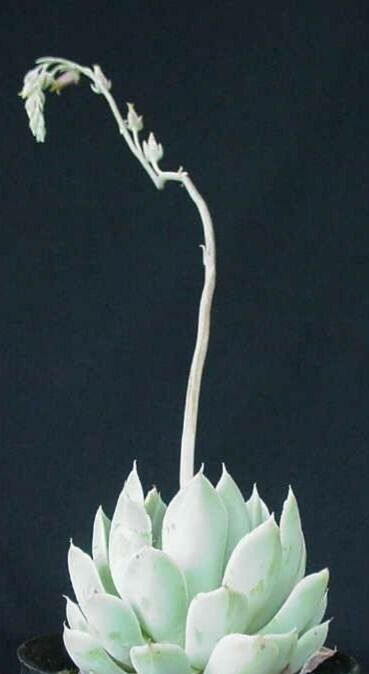
Hello, fellow plant lovers! Today, I want to talk about a succulent that truly captures the magic of the desert garden: Echeveria halbingeri. Those rosette-shaped leaves, often blushed with beautiful pinks and oranges, just scream “summer sunshine,” don’t they? And the best part? Sharing this beauty is incredibly easy and rewarding. If you’re new to the succulent scene, you’ll be delighted to know that propagating Echeveria halbingeri is a fantastic beginner-friendly project. It’s a wonderful way to multiply your collection or share these little gems with friends.
The Best Time to Start
The sweet spot for propagating Echeveria halbingeri is during its active growing season. Think late spring through summer. This is when the plant has the most energy to produce new roots and leaves. Waiting until the weather is consistently warm and sunny will give your cuttings the best chance to thrive. Don’t rush it in cooler, damp months – patience is key here!
Supplies You’ll Need
Gathering your tools beforehand makes the process so much smoother. Here’s what I always have on hand:
- Well-draining soil mix: A cactus and succulent mix is perfect. You can also make your own by combining potting soil with perlite or pumice (a 50/50 blend works wonderfully).
- Clean pruning shears or a sharp knife: For making clean cuts.
- A small pot or tray: To house your cuttings.
- Optional: Rooting hormone: This can give your cuttings a little boost, but it’s not strictly necessary for Echeveria halbingeri.
- Optional: A misting bottle: For gentle watering.
Propagation Methods
There are a couple of super-effective ways to multiply your Echeveria halbingeri. I usually go with one of these two.
Stem Cuttings
This is my go-to method because it’s quick and reliable.
- Take a cutting: Choose a healthy stem with several leaves on it. Using your clean shears or knife, cut a section that’s about 3-4 inches long.
- Remove lower leaves: Gently pull off the bottom 2-3 leaves from the cutting. Don’t toss these – we’ll talk about them later!
- Let it callous: This is a crucial step! Place the cutting in a dry, shaded spot for 2-5 days. You want the cut end to dry out and form a callus. This prevents rot when you plant it.
- Plant the cutting: Once calloused, gently insert the cut end about an inch deep into your well-draining soil mix. Make sure the remaining leaves aren’t touching the soil surface.
- Water sparingly: Give it a light watering. You want the soil to be barely moist, not soggy.
Leaf Cuttings
This method takes a bit more patience, but it’s so magical to watch new plants emerge from just a leaf!
- Select healthy leaves: Gently twist and pull off healthy, plump leaves from the mother plant. Try to get the entire base of the leaf where it attaches to the stem.
- Let them callous: Just like with stem cuttings, let these leaves dry and form a callus for a couple of days in a dry, shaded spot.
- Place on soil: Lay the calloused leaves on top of your well-draining soil mix. You can place them right on the surface, or gently nestle the calloused end into the soil.
- Mist occasionally: Mist the leaves lightly every few days when the soil feels dry.
The “Secret Sauce” (Pro Tips)
Over the years, I’ve picked up a few tricks that make propagation even more successful.
- Don’t let leaves touch the water (if water propagating): While I prefer soil propagation for Echeveria halbingeri, some people try water propagation. If you do, ensure the leaves never touch the water. Only the cut stem should be submerged. Rot is the enemy here!
- Bottom heat is your friend: If you’re propagating in a cooler home or during a chillier spring, placing your pot or tray on a seedling heat mat can significantly speed up root formation. Just a gentle warmth makes a big difference.
- Watch for the “puff”: For leaf cuttings, you’ll know you’re on the right track when you see a tiny bulge, almost like a little puff of growth, at the base of the leaf where it sits on the soil. That’s the baby plant and roots starting to form!
Aftercare & Troubleshooting
Once you see little roots or a new baby plant emerging (hooray!), it’s time for slightly more attentive care.
- Watering: Continue to water sparingly, allowing the soil to dry out thoroughly between waterings. For leaf cuttings, you can start misting the tiny new plant as well.
- Light: Provide bright, indirect light. Direct, scorching sun can still be too much for fragile new growth. Gradually introduce them to more sun as they grow stronger.
- When to pot up: Once your new plant has a decent root system and is clearly growing, you can gently repot it into its own small container with fresh soil.
The most common issue you’ll face is rot. This usually happens from overwatering or not allowing cuttings to callous properly. If you see a leaf or stem turning mushy and brown, it’s a sign of rot. Sadly, that part is usually a goner. Remove it promptly to prevent it from spreading. Don’t be discouraged if you lose a few; it happens to all of us! Just move on to the next batch.
So there you have it! Propagating Echeveria halbingeri is a very forgiving and deeply satisfying gardening activity. Be patient, observe your cuttings, and enjoy the little miracle of new life unfolding before your eyes. Happy propagating!
Resource:
https://identify.plantnet.org/k-world-flora/species/Echeveria%20halbingeri%20E.Walther/data